Beta-alanine for performance: the tingling is not the benefit
Beta-alanine can improve selected high-intensity efforts after weeks of loading. Paresthesia reflects dosing, not effectiveness.
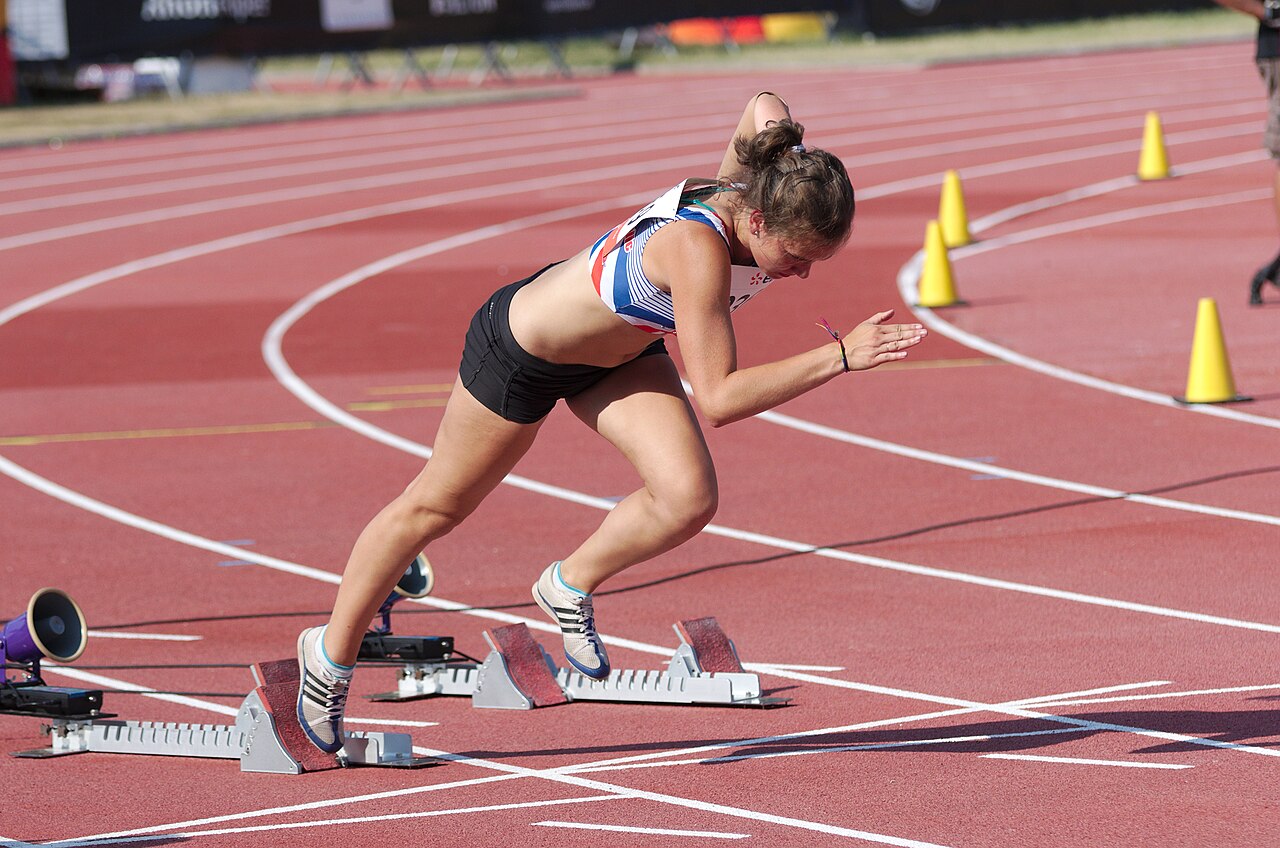
Beta-alanine may help efforts lasting roughly one to ten minutes, but benefits are modest and acute tingling is an avoidable side effect.
Carnosine, not an instant stimulant
Beta-alanine is a nonessential amino acid and a rate-limiting precursor for muscle carnosine. Carnosine buffers hydrogen ions during intense exercise, which may delay fatigue when acidity becomes performance-limiting. Building muscle carnosine takes repeated dosing over weeks.
Taking beta-alanine immediately before a workout does not create a caffeine-like boost. Timing each dose around training is less important than consistent daily intake. Acute sensations can make a pre-workout feel powerful without indicating improved muscle carnosine.
The useful performance window is narrow
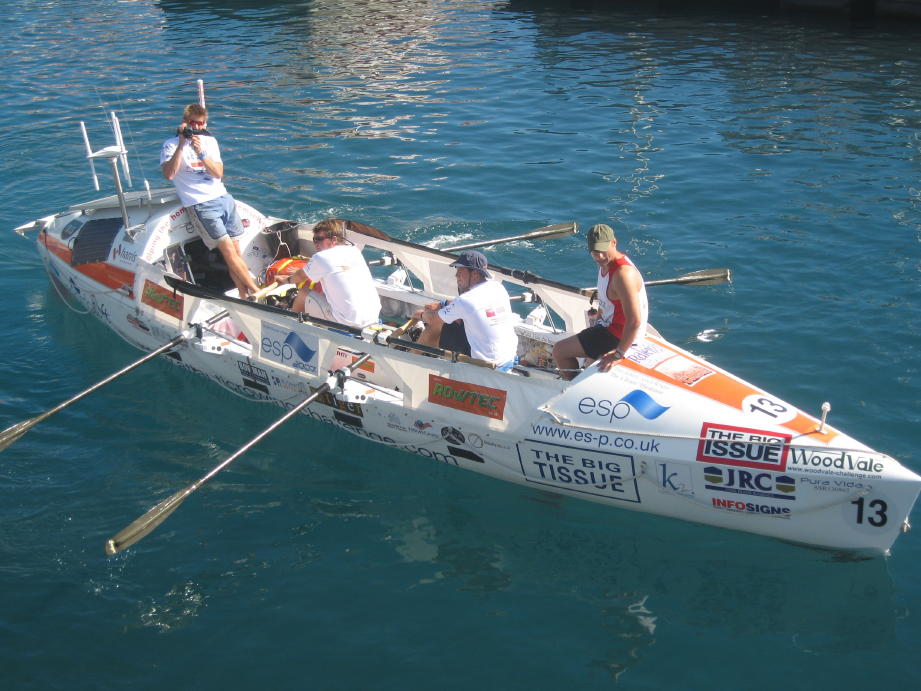
ODS summarizes numerous trials as showing inconsistent effects, with the clearest rationale for repeated or continuous high-intensity efforts lasting about one to several minutes. There is little evidence of benefit for long endurance events lasting more than ten minutes or for one-repetition maximum strength.
A 2024 meta-analysis in trained young men found a small overall benefit, with stronger signals for four-to-ten-minute maximal efforts and higher studied doses. A 2026 review in women found improved time to exhaustion but very-low-certainty evidence and no clear effects on several other outcomes.
Tingling is a dose-delivery problem
Paresthesia can feel like tingling, pins and needles, or itching on the face, neck, hands, or torso. It occurs when a large immediate-release dose is absorbed quickly. It is not lactic acid leaving the body and does not predict performance response.
Dividing the daily amount into smaller doses or using sustained-release products can reduce symptoms. A systematic safety review found paresthesia was the main reported adverse effect at researched doses, while long-term safety beyond typical study durations remains less certain.
Loading protocols require patience
Studies commonly use about 3.2 to 6.4 grams daily for four or more weeks. Carnosine rises gradually and declines after supplementation stops. More is not automatically faster or better, and very large single doses mainly increase discomfort.
Body mass, diet, baseline carnosine, muscle fiber type, and training influence response. Vegetarians may have different baseline muscle carnosine, but subgroup hypotheses require direct testing before personalized marketing claims are justified.
Multi-ingredient pre-workouts obscure the result
A scoop may combine beta-alanine with caffeine, citrulline, creatine, niacin, and proprietary stimulants. Immediate energy or flushing usually comes from other ingredients, while beta-alanine requires chronic use. Proprietary blends can hide whether the studied daily amount is present.
Choose products with exact amounts and independent sport certification. Contamination with banned substances is a more serious competitive risk than beta-alanine itself. Athletes should verify the certification program accepted by their governing body.
Match the supplement to the event
Beta-alanine is most defensible for trained athletes whose event repeatedly stresses high-intensity glycolytic work. A marathoner, powerlifter, and 400-meter swimmer face different limiting factors. Training quality, carbohydrates, recovery, and pacing remain larger determinants.
Track a repeatable performance outcome before and after an adequate loading period. If no meaningful benefit appears, continuing indefinitely adds cost without evidence. The tingling can be reduced; it should never be sold as proof that the product is working.
Applying the evidence
Beta-alanine is distinct from alanine and should not be confused with branched-chain amino acids. Meat and fish contain carnosine, while vegetarian diets provide less preformed carnosine. These differences affect baseline biology but do not guarantee that a vegetarian athlete gains a larger performance effect.
Combining beta-alanine with sodium bicarbonate targets buffering through different compartments, yet additive benefit is not settled for every sport. Stacking also multiplies gastrointestinal and sensory side effects. Test one intervention at a time before considering combinations, and preserve a placebo-aware view of small performance changes.
Women remain underrepresented in sports-supplement research. A 2026 meta-analysis found a possible time-to-exhaustion benefit in women but very low certainty and no clear pooled effect for several other outcomes. Product recommendations should not simply assume that data from young trained men apply identically across sex, age, and hormonal status. Better inclusive trials are urgently needed for practical guidance.
Sources & further reading
This article is educational and does not diagnose, treat, or replace individual medical advice. Ask a qualified clinician or pharmacist about symptoms, medical conditions, and possible interactions before using supplements.