Vitamins & Minerals
Choline supplements in pregnancy: important nutrient, unsettled cognitive promise
Choline supports fetal development and liver function, but pregnancy trials report mixed child-cognition outcomes and products vary widely.
November 16, 2026 · 3 min read

Vitamins & Minerals
Copper supplements: deficiency, excess, and the limits of a blood test
Copper is essential, yet both deficiency and accumulation can harm nerves and organs. Supplement decisions need context beyond one lab value.
November 16, 2026 · 3 min read
Vitamins & Minerals
Molybdenum supplements: an enzyme cofactor without a broad detox mandate
Molybdenum deficiency is extraordinarily rare, supplement forms lack comparative data, and excess can produce gout-like or neurologic effects.
November 16, 2026 · 3 min read

Vitamins & Minerals
Pantothenic acid, pantethine, and B5 claims: three questions, not one
Vitamin B5 deficiency is rare. Evidence for pantethine, acne blends, and energy claims cannot be treated as interchangeable.
November 16, 2026 · 3 min read

Vitamins & Minerals
Phosphorus additives: the mineral hiding in processed-food labels
Inorganic phosphate additives are highly absorbable and especially relevant in kidney disease. Ingredient lists reveal what Nutrition Facts may omit.
November 16, 2026 · 3 min read
Vitamins & Minerals
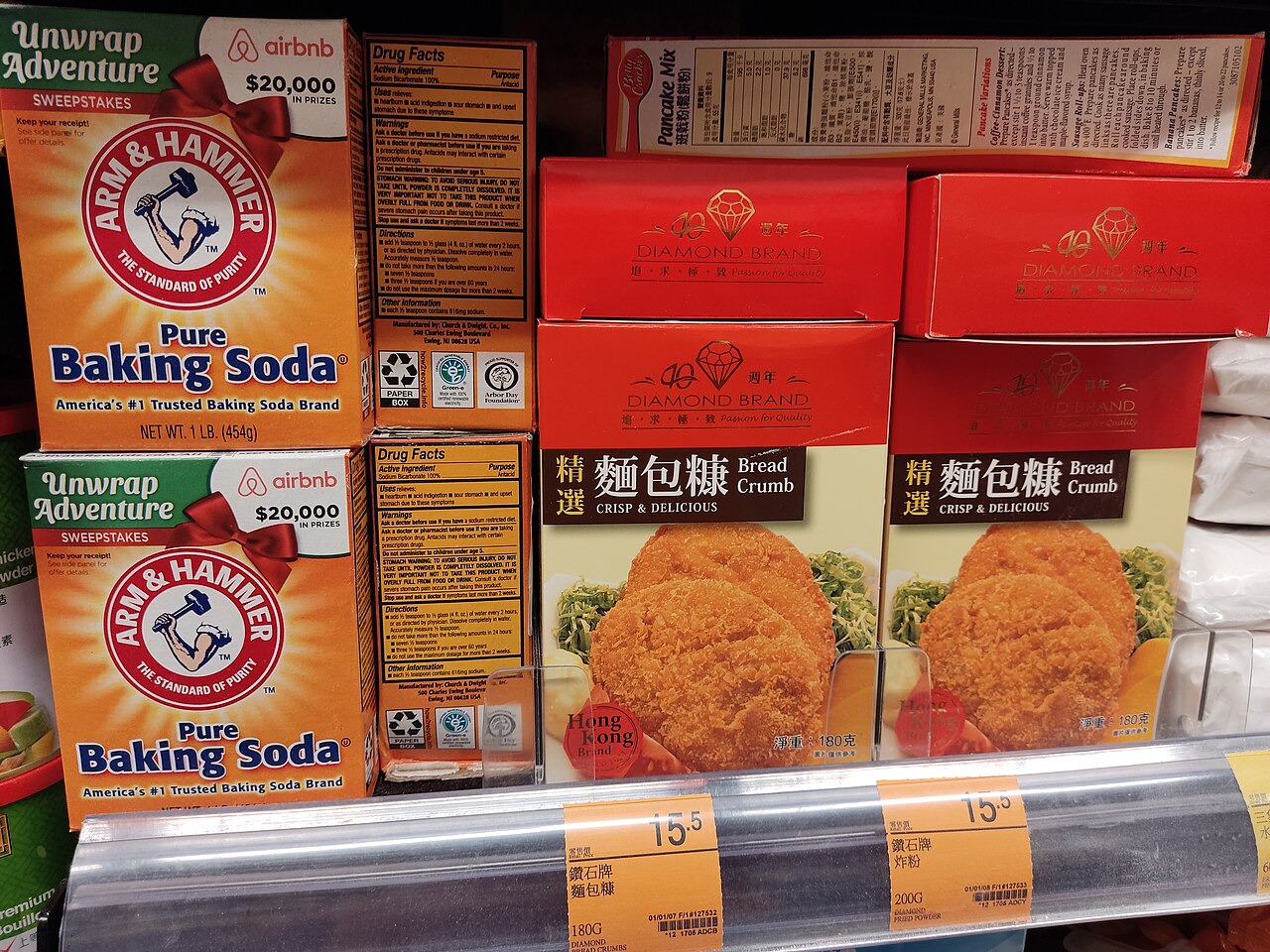
Sodium bicarbonate for performance: small edge, very large sodium dose
Baking soda can help some high-intensity efforts, but gastrointestinal distress and sodium load can erase the advantage.
November 16, 2026 · 3 min read

Vitamins & Minerals
Chromium for weight loss and blood sugar: small signals, large marketing leap
Chromium trials show inconsistent glucose findings and little clinically meaningful weight loss. Product form and baseline status matter.
November 15, 2026 · 3 min read
Vitamins & Minerals
Manganese supplements: rare deficiency, real neurotoxicity concern
Manganese is essential, but deficiency is rare and excess exposure can harm the nervous system, especially with liver disease.
November 15, 2026 · 3 min read

Vitamins & Minerals
Potassium supplements and salt substitutes: heart-friendly idea, kidney-dependent risk
Potassium-rich diets differ from concentrated pills and salt substitutes. Kidney function and medications determine hyperkalemia risk.
November 15, 2026 · 3 min read
Vitamins & Minerals
Riboflavin for migraine prevention: promising dose, delayed answer
Trials support a possible preventive role for 400 mg riboflavin, but benefit takes time and does not replace migraine diagnosis or acute care.
November 15, 2026 · 3 min read

Vitamins & Minerals
Thiamin for energy and nerves: deficiency care is not a general boost
Vitamin B1 is essential for energy metabolism, but benfotiamine and high-dose thiamin claims need condition-specific evidence.
November 15, 2026 · 3 min read