CoQ10 for statin muscle pain: why meta-analyses still disagree
A 2025 meta-analysis found modest pain improvement, while NCCIH says the overall evidence remains unsupportive. Here is how to read the conflict.
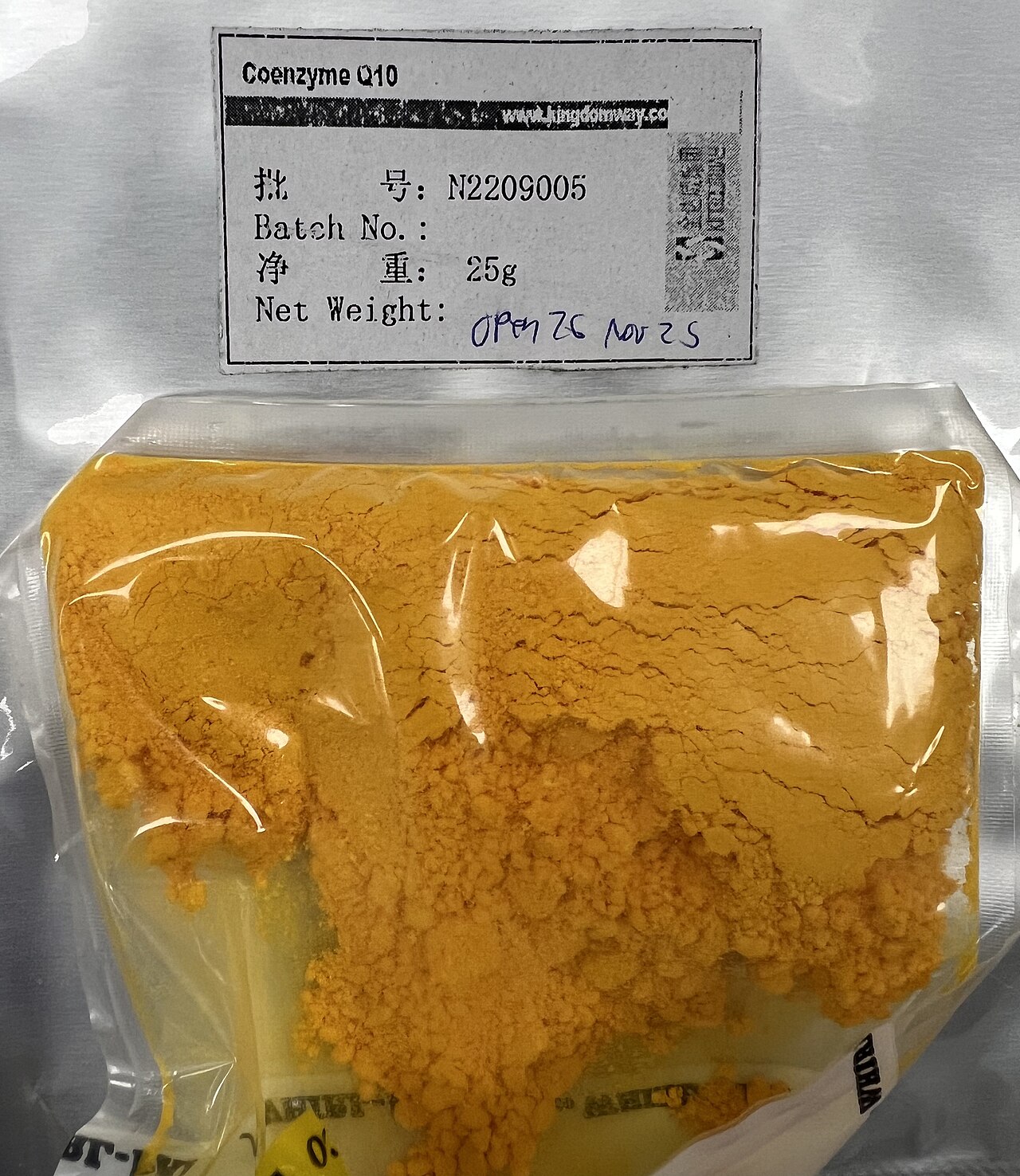
CoQ10 may help some statin users, but evidence remains inconsistent and muscle symptoms should be assessed before changing a lifesaving medicine.
The mechanism makes sense, but that is only a start
Statins inhibit cholesterol synthesis through a pathway that also contributes to coenzyme Q10 production. Blood CoQ10 can fall during treatment, creating a plausible theory that supplementation might reduce muscle pain. Plausibility generated many small trials, but it does not prove that lower circulating CoQ10 causes symptoms or that replacing it reverses them.
Muscle aches during statin use can also reflect exercise, thyroid disease, vitamin D deficiency, infection, drug interactions, or another muscle disorder. Some symptoms occur during blinded placebo periods as well as active treatment. A careful evaluation protects patients from both missed illness and unnecessary loss of cardiovascular protection.

Why reviews have reached different conclusions
NCCIH summarizes the overall evidence as not supporting CoQ10 for statin-related muscle pain. Earlier meta-analyses have disagreed, partly because trials were small and used different statins, symptom definitions, CoQ10 doses, durations, and pain scales. Pooling inconsistent studies can produce an average that is difficult to apply.
A 2025 meta-analysis of seven randomized trials and 389 participants reported a modest reduction in pain intensity overall, while four studies were positive and three were not. The confidence interval barely excluded no effect. The authors called for more research, which is more accurate than declaring the question solved.
A statistical change may not equal a useful change
Pain scales differ, and a weighted average change does not reveal how many people experienced relief large enough to matter. Trials also need to report adherence, statin dose, rechallenge results, and whether participants could continue evidence-based lipid therapy. A supplement is most valuable if it improves function or treatment persistence, not merely a score.
Publication bias is another concern in a field of many small studies. Positive trials are easier to publish and promote. Large, independently funded, preregistered trials with consistent symptom criteria would provide a clearer answer than another collection of heterogeneous short experiments.
Do not stop the statin on your own
Statins reduce heart attacks and strokes in appropriate patients. Stopping treatment without a plan can increase cardiovascular risk. Clinicians can review symptom timing, creatine kinase when indicated, thyroid function, interactions, exercise changes, and options such as dose adjustment, a different statin, intermittent dosing, or nonstatin therapy.
Severe weakness, dark urine, fever, or rapidly worsening pain needs prompt medical attention because rare serious muscle injury requires evaluation. CoQ10 should never be used to mask warning signs or to justify continuing a regimen that needs urgent review.

Product differences add more uncertainty
CoQ10 is sold as ubiquinone and ubiquinol in oils, powders, and emulsions. Absorption varies, and taking it with food may matter. A premium form may raise blood levels differently without proving superior symptom relief. Trials of one formulation cannot validate every product at the same labeled dose.
CoQ10 can interact with warfarin and may affect blood pressure or glucose. Product cost also matters when the expected benefit is uncertain. Independent testing addresses identity and purity, but not whether a specific consumer is among the possible responders.
A reasonable supervised experiment
If a clinician agrees that a time-limited trial is reasonable, document baseline pain, weakness, function, statin regimen, and other changes. Use one clearly labeled product and predefine the evaluation period. Avoid starting several supplements, changing exercise, and switching medicines simultaneously if the goal is to understand effect.
If symptoms do not improve meaningfully, continuing indefinitely adds cost and complexity without evidence of benefit. The balanced conclusion respects both sides of the literature: a newer pooled analysis suggests possible modest relief, while inconsistency and small trials prevent a universal recommendation.
A nocebo contribution does not mean symptoms are imaginary. Expectations can influence real pain, and clinicians should investigate while preserving trust. Blinded rechallenge can sometimes clarify whether symptoms track the statin, but it is not necessary or suitable in every case. The practical aim is to find a tolerated regimen that achieves the needed LDL reduction. CoQ10 should be judged by whether it helps that goal without delaying more reliable adjustments.
Sources & further reading
This article is educational and does not diagnose, treat, or replace individual medical advice. Ask a qualified clinician or pharmacist about symptoms, medical conditions, and possible interactions before using supplements.