Iodine and kelp for thyroid support: why more can backfire
Iodine is required for thyroid hormone production, yet excess from kelp and supplements can trigger thyroid dysfunction in susceptible people.

Iodine deficiency and iodine excess can both disrupt thyroid function, so symptom-based self-dosing is a poor shortcut.
The thyroid needs iodine, not unlimited iodine
Iodine is a required component of thyroid hormones. That basic fact drives a large market for kelp drops, thyroid blends, and high-dose iodine tablets. The missing point is that thyroid physiology operates within a range. Too little iodine can cause problems, while too much can also produce goiter, elevated TSH, hypothyroidism, thyroiditis, or iodine-induced hyperthyroidism in susceptible people.
The ODS fact sheet notes that responses to excess vary. Autoimmune thyroid disease, prior iodine deficiency, age, and other factors can change susceptibility. A person cannot determine iodine status from fatigue, weight change, cold intolerance, or a social-media checklist because those features overlap with many other conditions.
Kelp content can be unpredictable
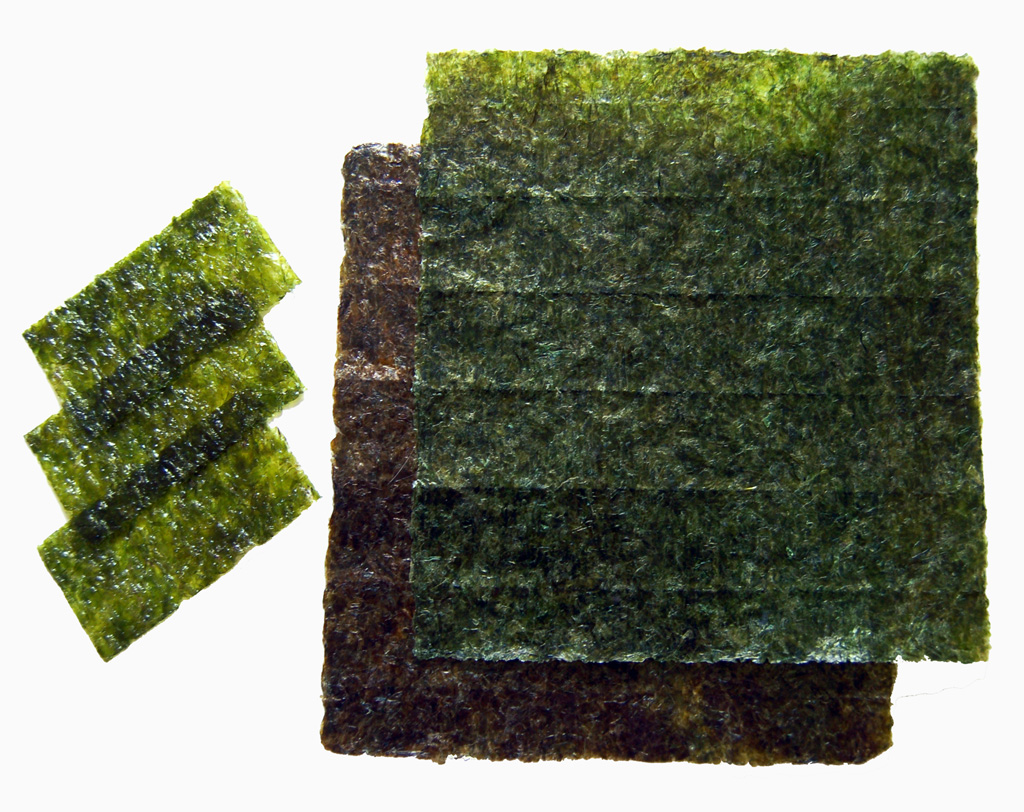
Seaweed can provide iodine, but amounts vary substantially by species, harvest location, and processing. A front label that says natural kelp does not tell the consumer whether the iodine exposure is modest or extreme. The Supplement Facts panel and independent content testing are more informative, although even they do not establish that the product is needed.
Iodized salt is another source, while specialty salts are not necessarily iodized. Dairy foods, seafood, eggs, fortified foods, prenatal products, and some medications can also contribute. A realistic review counts the whole pattern rather than assuming a separate thyroid supplement is the only meaningful source.
A randomized dose study showed a threshold problem
In a four-week randomized double-blind trial, 256 euthyroid adults received different iodine supplement doses. Urinary iodine and TSH rose across supplemented groups, and subclinical hypothyroidism appeared more often at higher total exposures. The investigators cautioned against total daily intakes above about 800 micrograms in the studied Chinese population.
That population-specific trial should not be turned into a universal personal cutoff. It does demonstrate that apparently healthy adults can show measurable thyroid effects when intake rises, and that more iodine is not automatically safer. U.S. dietary reference values and upper limits remain the appropriate general framework, with individualized advice for pregnancy or thyroid disease.
Pregnancy deserves precision
Iodine needs increase during pregnancy and lactation because maternal thyroid hormone and fetal development depend on adequate supply. Prenatal recommendations therefore deserve attention, but stacking a prenatal product with kelp, thyroid support, and concentrated drops can overshoot the intended amount. The actual iodine content and form should be reviewed with prenatal care.
Not every prenatal vitamin contains iodine, and products that do may differ. This is a reason to read the label and ask a clinician, not to improvise a high dose. Both inadequate and excessive exposure can matter during a sensitive period, making consistency and verified formulation more useful than wellness marketing.

When thyroid symptoms need testing
A supplement cannot determine whether symptoms reflect hypothyroidism, hyperthyroidism, anemia, sleep loss, medication effects, or another condition. Thyroid evaluation may include history, examination, TSH, and other tests selected for the situation. Beginning a concentrated iodine product first can change laboratory results and complicate the picture.
People taking amiodarone, lithium, antithyroid medicines, or certain blood-pressure drugs should review iodine products with a pharmacist or clinician. The sensible consumer rule is simple: treat iodine as a potent essential nutrient, not a generic metabolism booster. Correcting an identified gap is different from using kelp to chase nonspecific symptoms.
Putting the evidence into practice
Different iodine compounds also appear in supplements, including potassium iodide and molecular iodine. Marketing may attach special detoxification or breast-health narratives to a form, but each proposed outcome needs direct evidence. A historical or mechanistic argument is not a substitute for a randomized clinical result and a clear safety assessment.
Do not confuse potassium iodide used in specific radiation emergencies with daily wellness supplementation. Public-health officials recommend it only for particular radioactive iodine exposures and at directed doses. It protects the thyroid from radioactive iodine; it is not a general radiation antidote and can itself cause harm when used unnecessarily.
Sources & further reading
This article is educational and does not diagnose, treat, or replace individual medical advice. Ask a qualified clinician or pharmacist about symptoms, medical conditions, and possible interactions before using supplements.