Saw palmetto for enlarged-prostate symptoms: the best trials were negative
Rigorous placebo-controlled studies found no meaningful urinary benefit, even at triple the standard saw-palmetto dose.

Saw palmetto is widely used for urinary symptoms, but high-quality trials do not support it as an effective BPH treatment.
Urinary symptoms need a diagnosis first
Weak stream, hesitancy, urgency, frequency, incomplete emptying, and nighttime urination are often attributed to benign prostatic hyperplasia. Similar symptoms can come from infection, bladder dysfunction, diabetes, medicines, neurologic disease, stones, or prostate cancer. A supplement cannot determine the cause.
Red flags include inability to urinate, fever, visible blood, kidney problems, recurrent infections, severe pain, or rapid change. These require medical evaluation. Even uncomplicated symptoms deserve a review because untreated obstruction can damage the bladder or kidneys.
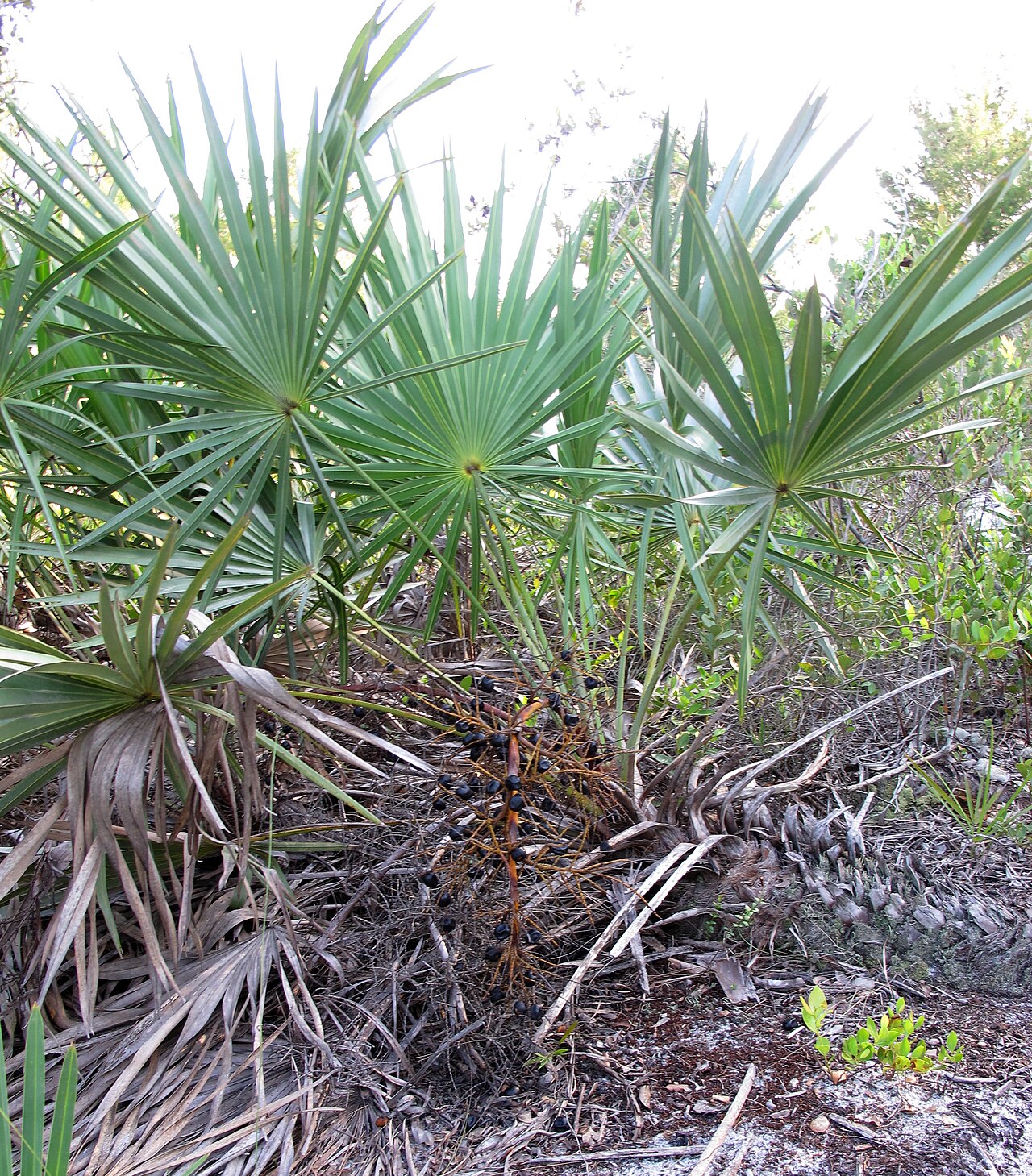
Why saw palmetto looked promising
Saw palmetto extracts come from Serenoa repens berries and contain fatty acids and sterols. Proposed actions include effects on 5-alpha-reductase, inflammation, or smooth muscle. Extracts differ by solvent and composition, so one product cannot automatically represent all others.
Early small trials and European products produced mixed positive signals. Later, larger and more rigorous trials reduced confidence. This pattern shows why supplement conclusions should update when better-controlled evidence arrives.
The CAMUS trial tested escalating doses
CAMUS randomized 369 men with moderate urinary symptoms to a standardized saw-palmetto extract or placebo for 72 weeks. The dose increased from 320 milligrams daily to double and then triple that amount. Symptoms improved in both groups, but saw palmetto was no better than placebo.
It also failed to improve urinary bother, nighttime urination, peak flow, residual urine, prostate-specific antigen, sexual function, continence, sleep, or prostatitis symptoms. Increasing the dose did not rescue the effect.
Systematic reviews agree with the larger trial
A recent Cochrane review concluded that Serenoa repens alone results in little to no difference in urinary symptoms or quality of life compared with placebo at three to six months, with similar findings at longer follow-up. NCCIH likewise states that rigorous studies do not support saw palmetto for BPH.
Combination products are harder to interpret because they may contain beta-sitosterol, pygeum, lycopene, selenium, zinc, or prescription medicine. A positive combination trial cannot identify saw palmetto as the active component.
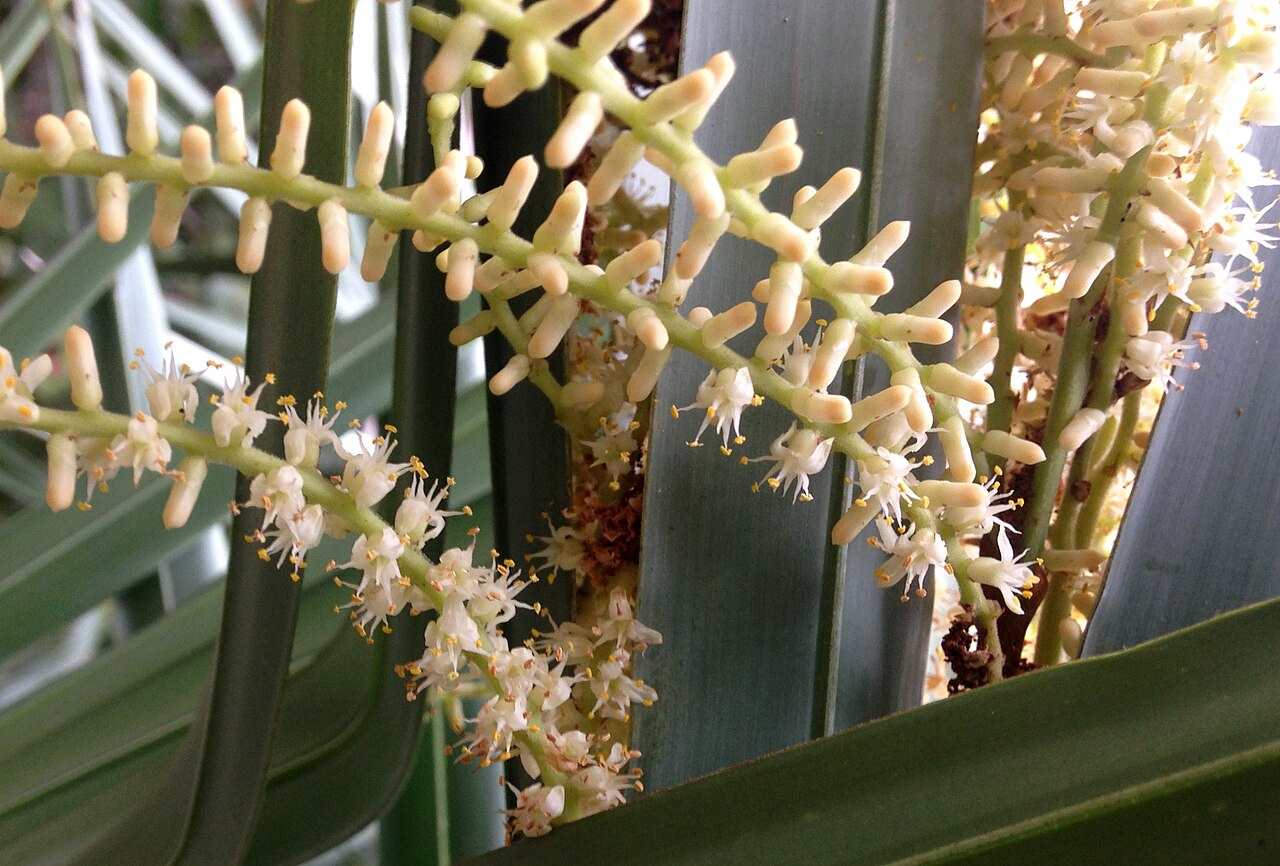
Safety is not the same as effectiveness
Saw palmetto is generally tolerated, with digestive symptoms, dizziness, or headache reported. It may affect bleeding risk or interact with anticoagulants and antiplatelet drugs. Product quality and extract standardization vary.
The supplement does not reliably lower PSA, which means it should not be used to manipulate or interpret prostate-cancer screening. Tell the clinician about use before PSA testing, surgery, or treatment decisions.
Better-supported options exist
Lifestyle measures, alpha blockers, 5-alpha-reductase inhibitors, tadalafil, minimally invasive procedures, and surgery have roles depending on prostate size, symptom burden, complications, and preferences. Each has tradeoffs that can be discussed and monitored.
Saw palmetto remains popular because urinary symptoms fluctuate and placebo responses are substantial. Popularity and natural origin do not overcome negative high-quality trials. A consumer should not delay diagnosis or effective care while escalating an extract that has repeatedly failed to outperform placebo.
Applying the evidence
Plant extracts can differ in fatty-acid and sterol composition depending on solvent and manufacturing. Advocates sometimes argue that negative trials used the wrong extract. That possibility must be tested prospectively; it cannot make every untested product effective. A formulation-specific positive claim needs a replicated trial of that formulation.
Symptom diaries can clarify whether nighttime urination relates to evening fluids, alcohol, caffeine, sleep apnea, leg swelling, or bladder habits. These contributors may be more modifiable than prostate size. A clinician can pair the history with examination, urinalysis, medication review, and selective PSA or imaging.
BPH medicines have recognizable adverse effects—such as dizziness, ejaculatory changes, sexual effects, or reduced blood pressure—but those tradeoffs can be measured against proven symptom benefit. Saw palmetto may seem attractive because it is perceived as gentler; when efficacy approximates placebo, even a small cost or interaction becomes harder to justify. Shared decisions can also account for prostate size, blood pressure, sexual priorities, other medicines, and whether rapid relief or prevention of progression matters most.
Sources & further reading
This article is educational and does not diagnose, treat, or replace individual medical advice. Ask a qualified clinician or pharmacist about symptoms, medical conditions, and possible interactions before using supplements.