Thiamin for energy and nerves: deficiency care is not a general boost
Vitamin B1 is essential for energy metabolism, but benfotiamine and high-dose thiamin claims need condition-specific evidence.

Thiamin can be lifesaving in deficiency, yet that does not establish an energy or neuropathy benefit for every supplement user.
Energy metabolism is not the same as feeling energized
Thiamin, or vitamin B1, helps enzymes convert nutrients into usable cellular energy and supports nerve function. Labels often turn that biochemical role into a promise of more daily energy. If thiamin is adequate, however, adding more does not necessarily increase alertness, exercise capacity, or motivation.
Fatigue has many possible causes, including sleep loss, anemia, thyroid disease, infection, mood disorders, medication effects, and inadequate calories. A true statement about metabolism cannot identify which cause applies. Persistent or severe fatigue warrants assessment rather than repeated trials of high-potency B complexes.

Deficiency has recognizable high-risk settings
Severe thiamin deficiency can cause beriberi or Wernicke encephalopathy, with cardiovascular and neurologic consequences. Risk rises with chronic heavy alcohol use, prolonged vomiting, malabsorption, bariatric surgery, severe undernutrition, and some intensive medical situations. Treatment may be urgent and can require parenteral thiamin rather than a retail tablet.
Wernicke encephalopathy is frequently missed, and the classic symptom triad is not present in every patient. Confusion, eye-movement abnormalities, and gait problems in a high-risk person require emergency care. This is not an appropriate setting for self-treatment or for waiting to see whether a standard supplement helps.
Alcohol changes absorption and use
Alcohol can reduce thiamin intake, absorption, storage, and activation while increasing risk through liver disease and poor nutrition. ODS notes that evidence is insufficient to define one ideal dose, route, and duration for preventing or treating Wernicke-Korsakoff syndrome in alcohol misuse. Clinical protocols therefore reflect urgency, risk, and expert judgment rather than a universal bottle instruction.
A general multivitamin is not a substitute for addiction treatment, nutrition support, or emergency thiamin when indicated. People should not infer that taking B1 makes ongoing heavy drinking safe. The supplement addresses neither alcohol toxicity nor the many other medical risks of chronic exposure.
Benfotiamine needs its own evidence
Benfotiamine is a thiamin derivative marketed for diabetic nerves and glucose-related damage. Some trials have reported changes in neuropathy symptoms or biomarkers, but studies vary in dose, duration, combination ingredients, and quality. A derivative should not inherit every established use of thiamin simply because the names are related.
Diabetic neuropathy also depends on glucose control, blood pressure, lipids, smoking, foot care, medication options, and other contributors. A short supplement trial cannot be presented as disease modification unless it demonstrates durable, clinically important outcomes. Numbness or foot injury in diabetes needs professional care because reduced sensation can hide ulcers or infection.
Testing and label reading
Thiamin status can be assessed with functional or blood measures, but results require clinical context. Dietary intake, symptoms, alcohol use, surgery, and medications such as certain diuretics may influence the assessment. A broad wellness panel is not automatically diagnostic, and a low-looking result should not be interpreted without the laboratory’s method and reference information.
Check whether the product contains thiamin hydrochloride, thiamin mononitrate, benfotiamine, or a blend. Record the actual milligrams and other B vitamins. Bright packaging and a high Daily Value do not demonstrate superior absorption or neurologic benefit.
Match the intervention to the problem
A person with a documented deficiency or a high-risk medical condition may need prompt, specific replacement. A healthy shopper seeking more energy faces a different evidence question. The useful comparison is between the exact product and a defined outcome in a relevant population, not between the size of two percentages on store shelves.
Thiamin is a strong example of why essential does not mean universally performance-enhancing. Correcting inadequate supply restores normal function; exceeding adequacy is not guaranteed to produce extra function. Consumers should preserve that boundary when evaluating energy blends and nerve-support claims.
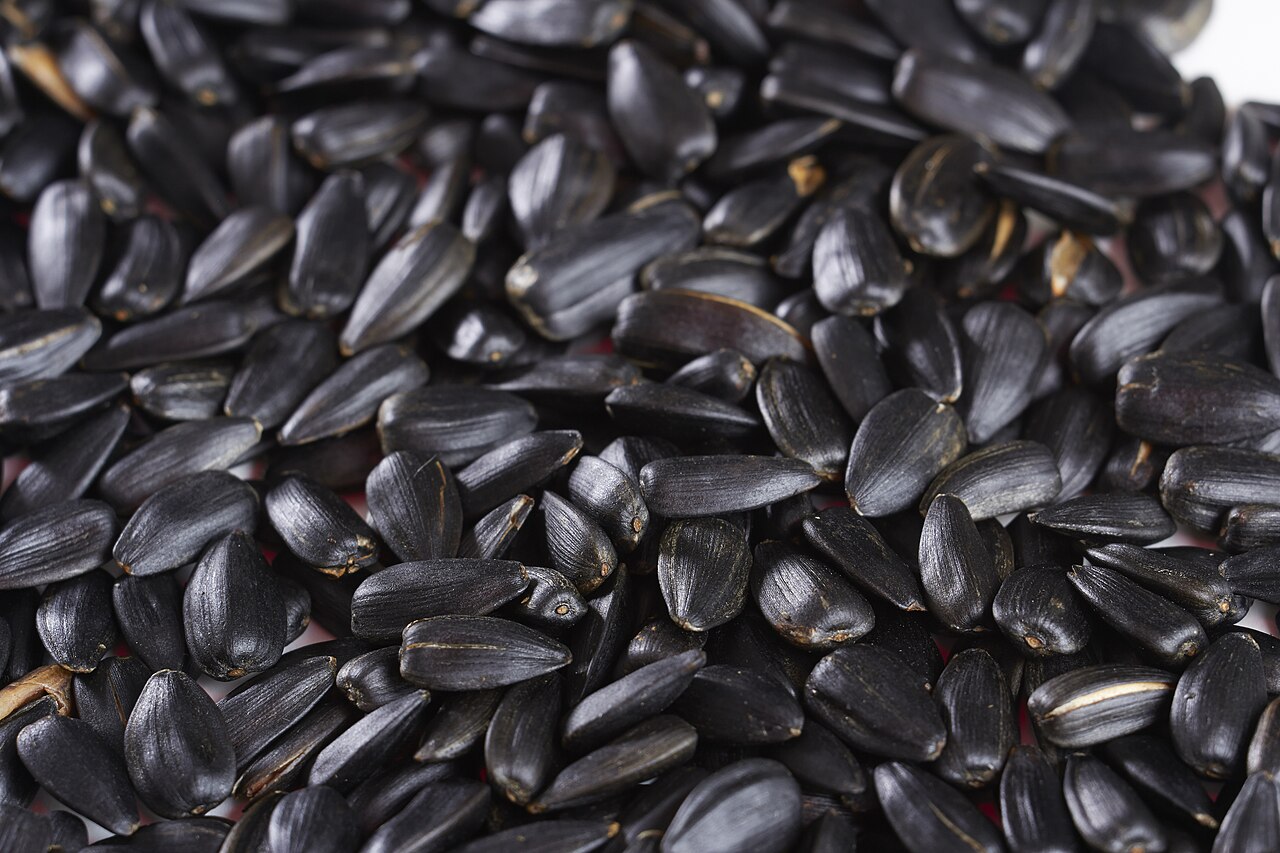
Food sources include whole and enriched grains, pork, legumes, seeds, and fortified cereals. Processing and prolonged heating can reduce thiamin content, but an ordinary mixed diet often supplies adequate amounts. Reviewing actual intake is more informative than assuming that stress, exercise, or a busy schedule automatically creates deficiency. If vomiting, rapid weight loss, or restricted eating is present, the underlying problem and the urgency of replacement matter more than selecting a premium B1 derivative.
Sources & further reading
This article is educational and does not diagnose, treat, or replace individual medical advice. Ask a qualified clinician or pharmacist about symptoms, medical conditions, and possible interactions before using supplements.