Vitamin E supplements: why antioxidant biology did not guarantee prevention
Large randomized trials failed to confirm broad heart or cancer prevention from high-dose vitamin E and identified safety concerns.
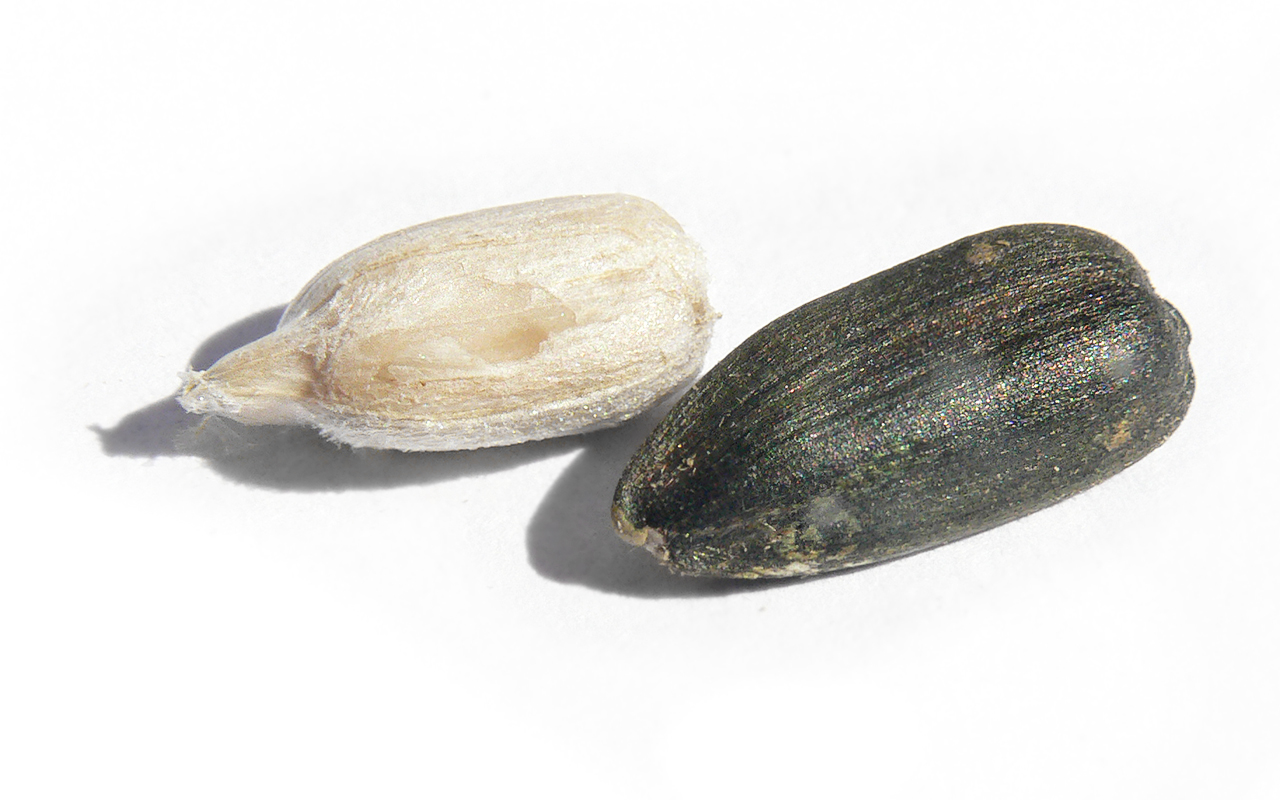
Vitamin E is essential, but high-dose antioxidant supplementation has not reproduced the prevention benefits marketers inferred from biology.
A nutrient family reduced to one label
Vitamin E refers to eight fat-soluble compounds, including tocopherols and tocotrienols. Human requirements are based on alpha-tocopherol, and supplements commonly contain natural-source or synthetic alpha-tocopherol. Labels may use milligrams and international units, so comparing products requires attention to both the chemical form and the amount.
Vitamin E protects cell membranes from oxidative damage, an established biological role. That fact made antioxidant supplementation seem promising for cardiovascular disease and cancer prevention. A mechanism can justify a trial, but it cannot substitute for one. Prevention claims must be judged by disease outcomes and adverse events, not by the appeal of neutralizing free radicals.
HOPE and HOPE-TOO tested cardiovascular prevention
The HOPE program enrolled older adults with vascular disease or diabetes and randomized them to 400 international units of natural vitamin E daily or placebo. Extended follow-up found no significant reduction in major cardiovascular events or cancer. The investigators reported a higher risk of heart failure with long-term vitamin E, a finding that required caution rather than reassurance from the vitamin label.
These results apply to the studied population, dose, and formulation. They do not mean dietary vitamin E is unnecessary. They do show that giving a relatively high-dose supplement to people at cardiovascular risk did not provide the expected prevention benefit and may have introduced harm.
SELECT challenged a cancer-prevention story
SELECT randomized more than 35,000 men to selenium, vitamin E, both, or placebo. Vitamin E did not prevent prostate cancer. With longer follow-up, the vitamin E-alone group had a statistically significant increase in prostate cancer incidence compared with placebo. That outcome does not prove every amount or form has the same risk, but it defeats a general prevention promise.
Trials can overturn confident predictions from observational studies because supplement users differ from nonusers in diet, smoking, exercise, access to care, and other behaviors. Randomization balances those influences more reliably. A favorable association with vitamin-E-rich foods should not be transferred automatically to a concentrated isolated dose.
Bleeding and medication context
High supplemental vitamin E can affect platelet aggregation and blood clotting. Concern is greater for people using anticoagulants or antiplatelet medicines, those with bleeding disorders, and people preparing for surgery. The relevant plan depends on the product, procedure, and prescription regimen, so a generic instruction to stop supplements a set number of days beforehand is not sufficient.
Multivitamins, antioxidant blends, eye-health products, and standalone softgels can overlap. Count alpha-tocopherol across all sources and note whether labels use milligrams or international units. A high percentage of the Daily Value is not a target and does not measure antioxidant protection inside an individual.
Food evidence is a different exposure
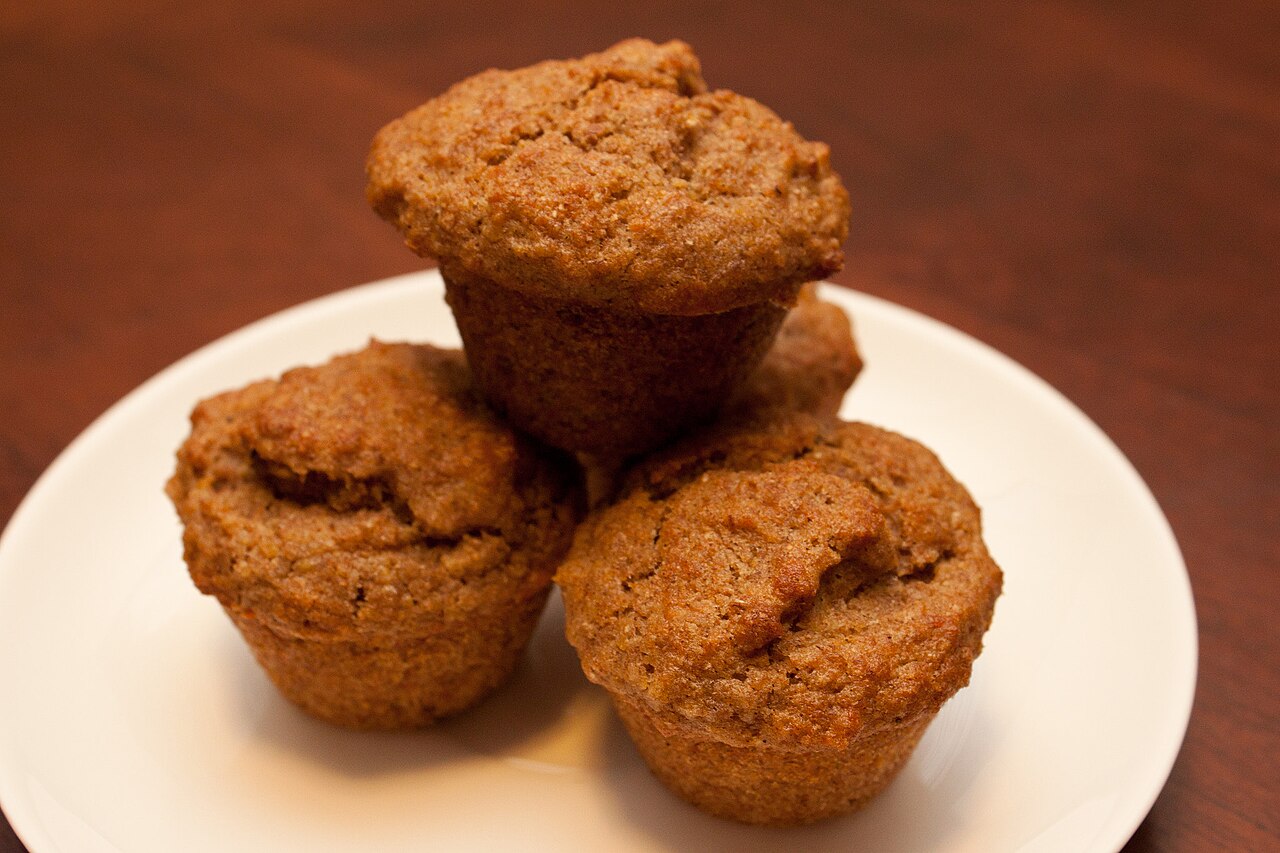
Nuts, seeds, plant oils, and some vegetables provide vitamin E with unsaturated fats, fiber, minerals, and other compounds. Choosing those foods can change the overall dietary pattern. Swallowing a softgel adds one concentrated ingredient without making the same food substitution, so the interventions are not biologically or behaviorally identical.
Deficiency is uncommon in healthy people but can occur with disorders that impair fat absorption or rare genetic conditions. Those clinical situations require assessment and may call for supervised treatment. They should not be used to imply that a generally nourished adult needs a high-dose antioxidant for heart or cancer prevention.
A practical label test
Identify the form, dose, unit, and intended outcome. Then ask whether the supporting evidence measured a blood marker, oxidative-stress signal, or an actual event such as heart attack, cancer, or death. The larger the prevention claim, the stronger and longer the required evidence.
Quality certification can help confirm identity and amount, but it cannot reverse neutral or harmful clinical results. Vitamin E remains nutritionally necessary; that does not make high-dose supplementation an insurance policy. The most defensible choice is to address a defined need while avoiding claims that large randomized trials have failed to support.
Sources & further reading
This article is educational and does not diagnose, treat, or replace individual medical advice. Ask a qualified clinician or pharmacist about symptoms, medical conditions, and possible interactions before using supplements.