Do Vitamin Patches Work? What Transdermal Evidence Shows
Vitamin patches promise an easier route than pills, but skin is a strong barrier. See what clinical studies and bariatric data actually show.
Evidence for over-the-counter vitamin patches is limited and product-specific; do not replace a proven supplement plan without checking labs and a clinician.
The convenience is real; the delivery question remains
A vitamin patch sounds wonderfully simple: stick it on, skip the pills and let nutrients pass through the skin. That route could help people who dislike swallowing or have digestive absorption problems. But convenience only matters if a meaningful, predictable dose crosses the skin.
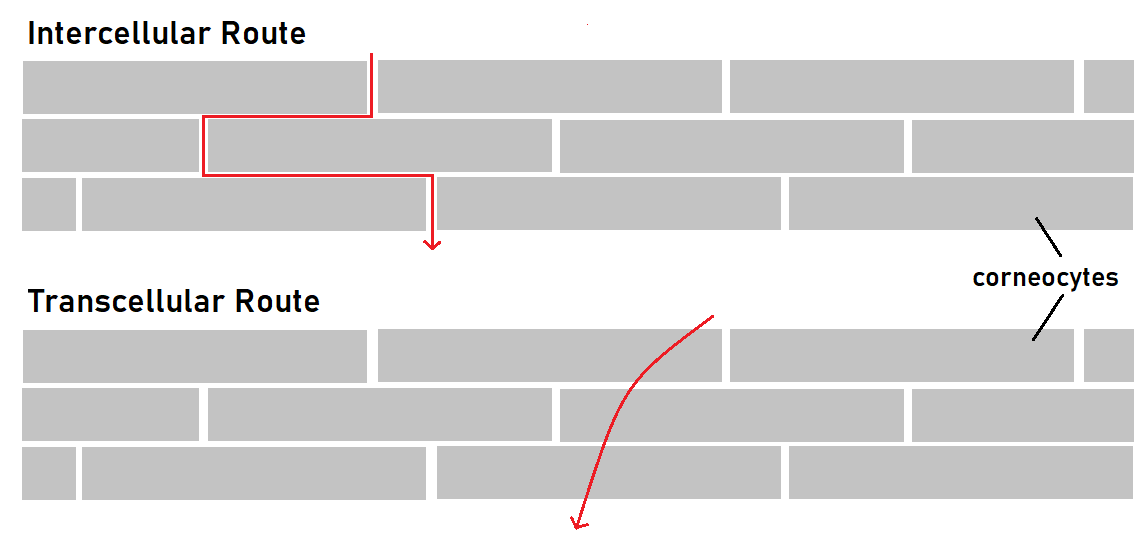
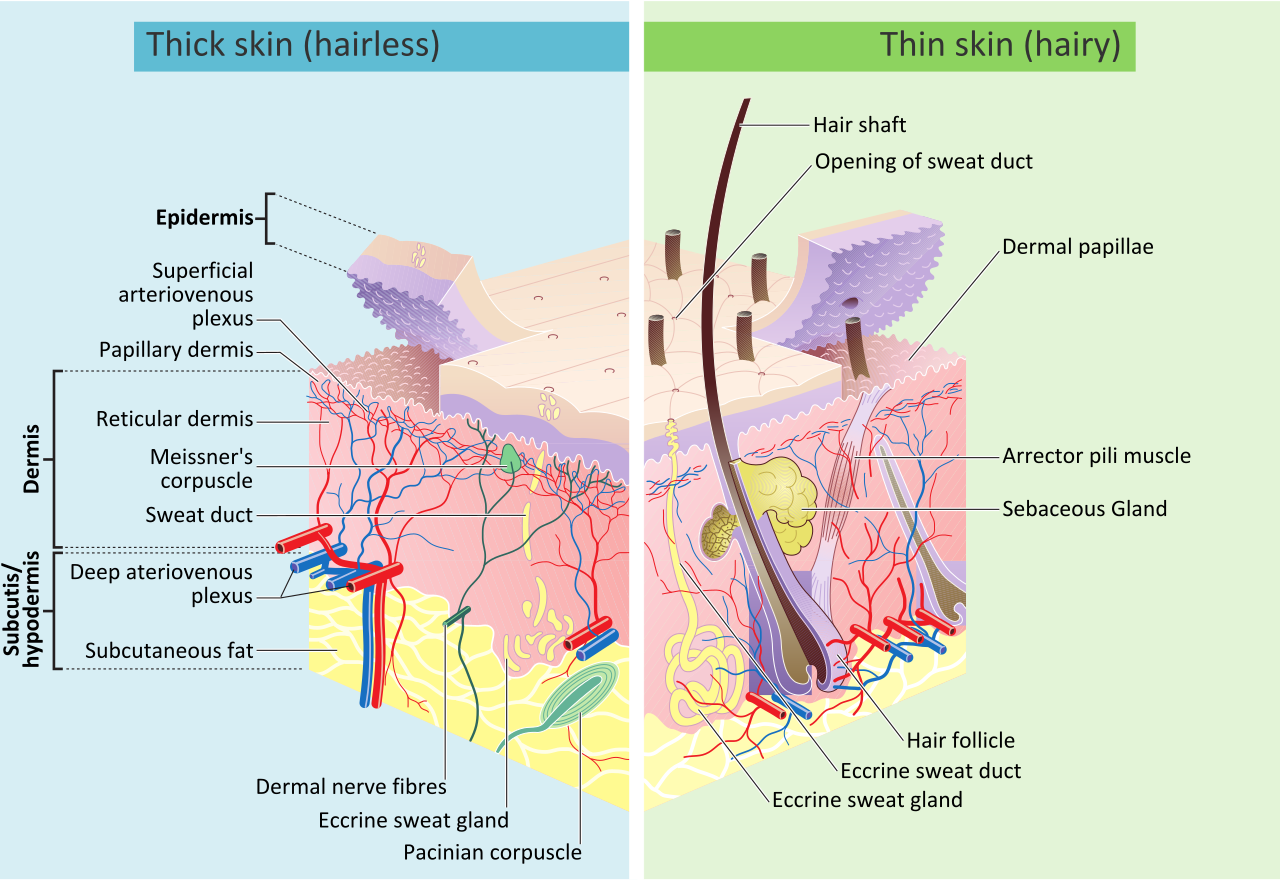
Human skin is designed to keep substances out. Successful prescription patches usually use potent molecules with properties suited to transdermal delivery and tightly controlled formulations. Vitamins and minerals vary widely in size, charge and fat solubility, so one patch technology cannot be assumed to deliver all of them.
What a randomized vitamin D trial found
A 2026 randomized trial compared a vitamin D3 patch with an oral supplement and placebo in healthy adults with low vitamin D status. The patch did not improve vitamin D status, while oral supplementation did. That result directly challenges the idea that placing vitamin D on skin guarantees useful absorption.
It is still one formulation under one set of conditions. It does not prove every future patch will fail. It does mean a seller should provide human data for the exact product and dose rather than relying on the general appeal of transdermal delivery.
Bariatric evidence raises a practical warning
People who have undergone bariatric surgery may be especially attracted to patches because their supplement schedules can be demanding. In a retrospective comparison after Roux-en-Y gastric bypass, patch users were more likely than pill users to have at least one nutrient deficiency at one year, and several nutrient measures were lower.
A later pilot study found that some patch users still developed deficiencies. These studies were not large randomized trials, so differences in adherence, diet and patient characteristics could influence the results. They are nevertheless a reason not to substitute a patch for a bariatric program's plan without monitoring.
Marketing often moves faster than measurement
A patch label may list the amount loaded into the material, but that is not necessarily the amount entering the bloodstream. Useful evidence would measure nutrient status over time, specify wear time and adhesion, report skin reactions and compare the exact patch with a recognized oral or injectable approach.
Testimonials cannot answer those questions. Neither can a laboratory diffusion test by itself, because living skin, movement, sweat and individual variation affect delivery. Claims that bypassing digestion automatically improves absorption leave out the skin barrier.
Safer options when pills are difficult
Ask which problem needs solving. Smaller capsules, chewables, liquids, powders, sublingual products or clinician-administered injections may have better evidence for a particular nutrient. A pharmacist can also check whether a tablet may be split or whether timing changes could reduce nausea.
If you already use a patch, do not assume the labeled dose reached you. Share the exact product with a clinician and use appropriate laboratory monitoring, especially after bariatric surgery, during pregnancy or when treating a known deficiency. Ease of use is a feature; verified delivery is the requirement.
What convincing patch evidence would look like
A strong study would randomly assign enough participants, use a credible comparison, measure baseline and follow-up nutrient status and report how much of the loaded dose actually crosses the skin. It would also describe adhesive failures, skin irritation, wear time and whether results differ by age, skin characteristics or sweating. Replication by researchers without a commercial stake would add confidence.
Until that evidence exists for a specific product, view a patch as an unproven delivery system rather than a guaranteed upgrade. The burden is higher when the nutrient treats a documented deficiency or prevents a known post-surgery complication. In those settings, choosing a route with measurable effectiveness is more important than avoiding a few capsules.
Skin irritation is another practical limit. Redness, itching or blistering can come from the adhesive or other ingredients even when nutrient delivery is poor. Remove the patch and seek advice for a significant reaction. Rotating sites may reduce irritation, but it does not solve uncertain absorption. Never place a consumer patch on broken or inflamed skin unless its directions and a clinician explicitly support that use.