Women’s Libido Supplements: How to Read the Evidence Without the Hype
Low desire has many causes, and small ingredient trials do not prove every libido blend. Learn how to assess claims and seek appropriate care.
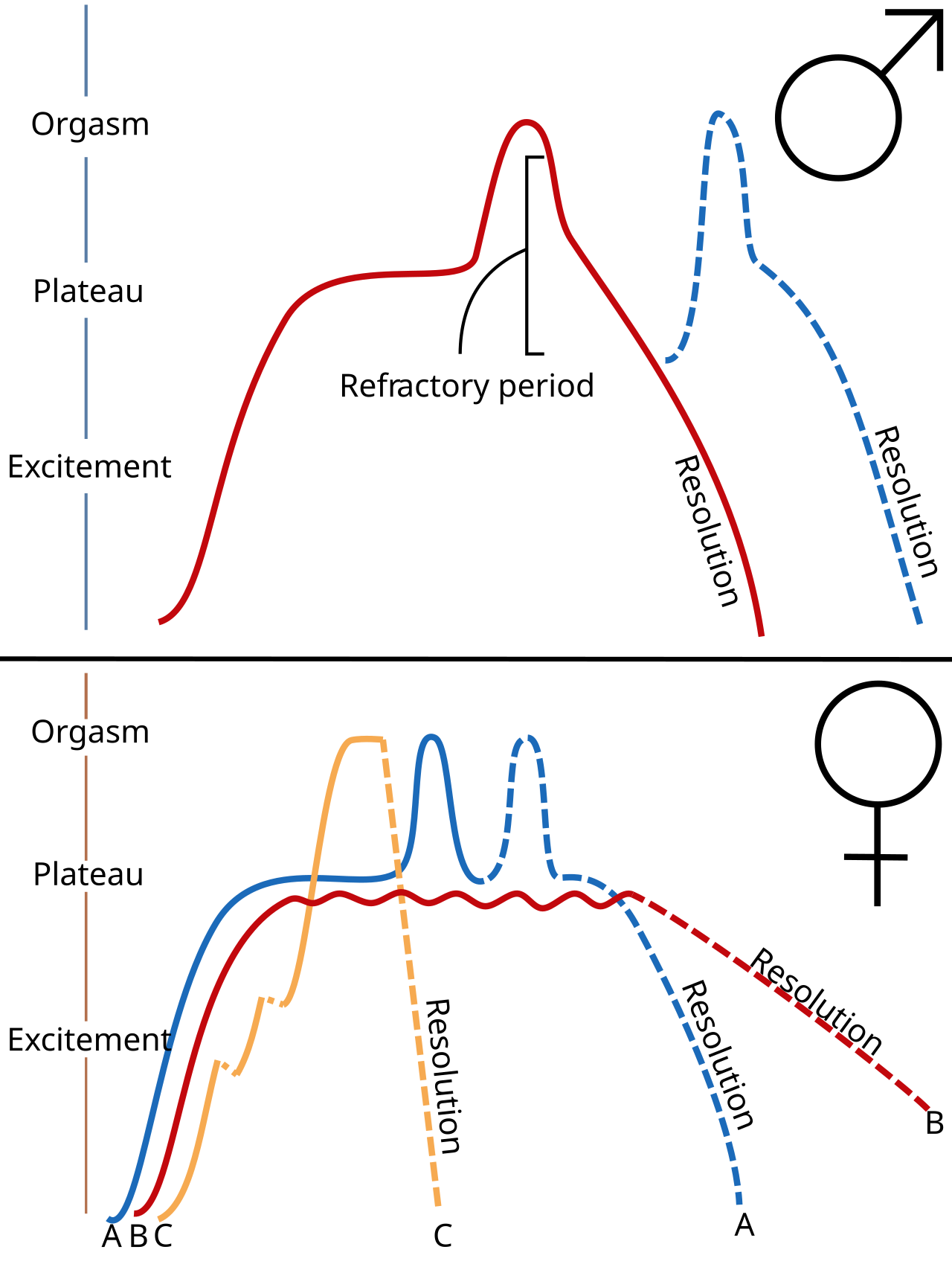
Treat low desire as a whole-person health question; match any supplement claim to the exact ingredient, dose and population studied, and screen for medication and medical causes.
Desire is not one pathway with one switch
Low sexual desire can be frustrating, but it is not automatically a hormone deficiency or a missing herb. Desire is influenced by stress, sleep, pain, relationship context, mood, body image, menopause, pregnancy, medications and medical conditions. A product that promises one universal mechanism skips that complexity.
The first useful question is whether the change is new, persistent and distressing to the person experiencing it. There is no required frequency of desire, and a partner's expectations do not define a disorder.
Small ingredient trials are signals, not verdicts
Randomized trials have studied ingredients including saffron, maca, ashwagandha and fenugreek extracts. Some reported improvements on sexual-function questionnaires in selected groups, such as women with antidepressant-related dysfunction or healthy women reporting low function. Sample sizes were generally modest, interventions differed and follow-up was short.
Those results can justify further research. They do not show that the herbs work equally, that any dose is effective or that a multi-ingredient gummy reproduces the result. A proprietary blend makes the comparison even harder when individual amounts are hidden.

Safety starts with the reason for the change
Pain with sex, abnormal bleeding, new pelvic symptoms, severe mood changes or a sudden change after starting medicine deserves clinical attention. Antidepressants, blood-pressure drugs and other treatments can affect sexual function, but stopping them abruptly can be harmful. A prescriber may be able to adjust the plan safely.
Pregnancy, breastfeeding, hormone-sensitive conditions, liver disease and upcoming surgery can change supplement safety. Herbs can also interact with sedatives, anticoagulants and other medicines. “Natural” does not mean appropriate for every life stage.
How to judge a finished product
Flirty Time by Liva is a women’s libido gummy. The format may be easy to fit into a routine, but a finished gummy should not inherit the results of a trial on a different extract or dose. Compare its exact ingredients and amounts with the research, and look for independent quality verification.
Avoid products that promise instant arousal, guaranteed orgasm or hormone correction without testing. Check serving size, added sugars, allergens and warnings. If the label uses a proprietary blend, you may not be able to tell whether studied amounts are present.

A practical path that keeps options open
Start with a timeline: when the change began, whether it varies by situation and what else changed in sleep, stress, pain, medicines or menstrual status. A primary-care clinician or gynecologist can review medical causes; pelvic-floor therapy, counseling or sex therapy may be relevant depending on the pattern.
If you still choose a supplement, use one clearly labeled product at a time, set a reasonable review date and track both benefits and adverse effects. Stop if symptoms worsen. The aim is not to force desire into a marketing script—it is to find a safe, evidence-aware response to what is actually affecting well-being.
Set expectations that research can actually test
Questionnaires used in studies combine domains such as desire, arousal, lubrication, orgasm, satisfaction and pain. An improvement in a total score does not necessarily mean every domain changed or that the difference felt important to every participant. Check whether the trial enrolled people whose situation resembles yours and whether adverse effects and dropouts were reported.
A useful personal goal might be less pain, more comfort discussing sex, recovery after a medication change or greater interest without distress—not a guaranteed increase by a deadline. Clear goals make it easier to decide whether a supplement, therapy or medical change is helping. They also make room for the valid outcome that no treatment is needed when low desire is not personally distressing.
Be wary of hormone testing sold as a direct path to a supplement bundle. Hormones vary with age, menstrual timing, contraception and menopause, and an isolated result may not explain desire. Testing is most useful when chosen for a clinical question and interpreted in context. A careful history often identifies medication effects, pain or stress that a broad panel—and a broad blend—would miss.