Boron for testosterone and bones: popular claims, thin human evidence
Boron is not recognized as an essential human nutrient, and trials do not establish bodybuilding, testosterone, or bone-density benefits.
Boron research supports continued study, not confident hormone or bone promises for healthy supplement users.
Boron sits outside the usual nutrient framework
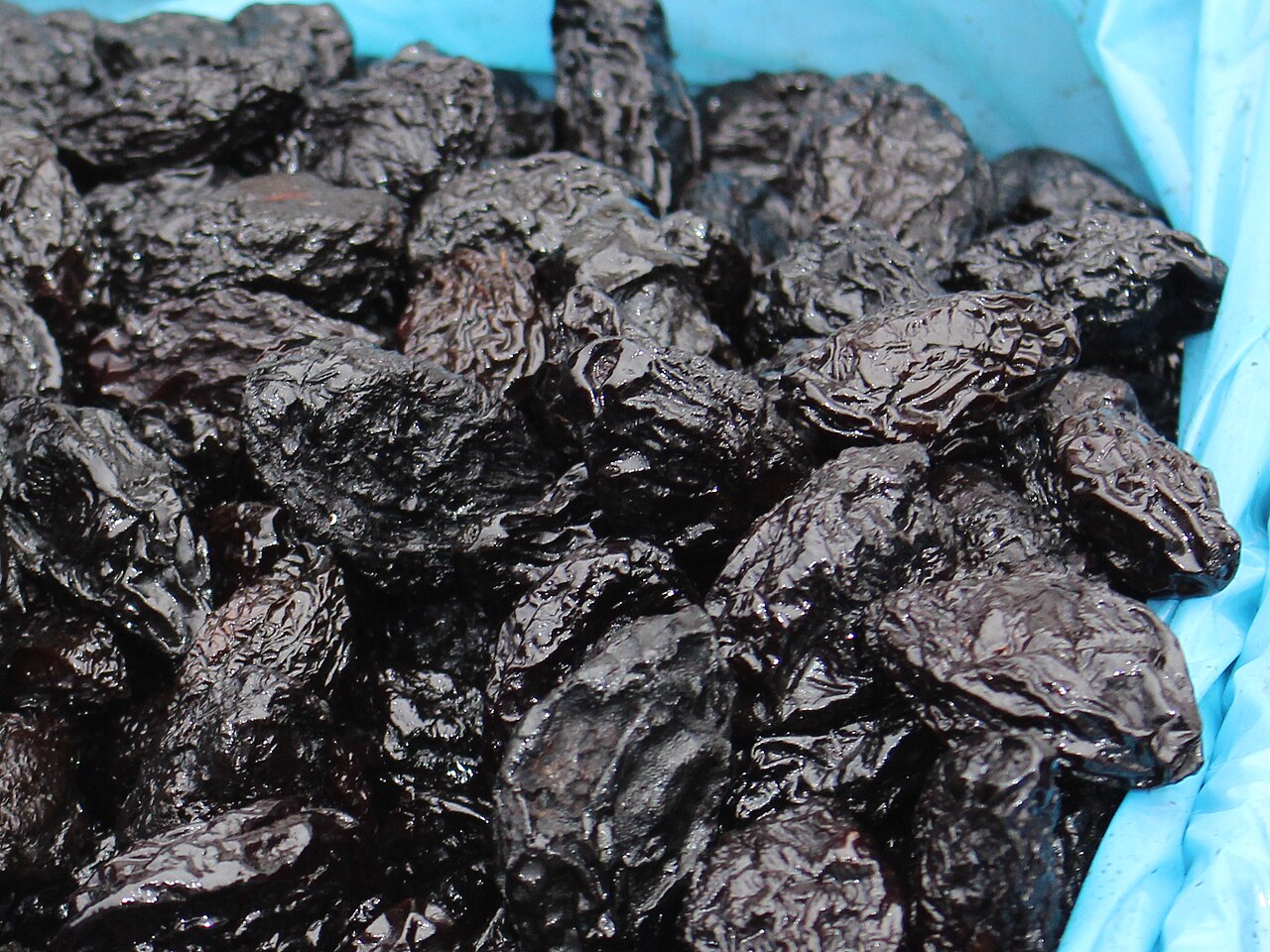
Boron occurs naturally in fruits, legumes, nuts, wine, and water. It influences plant growth and may affect mineral metabolism in animals, but no Recommended Dietary Allowance or Adequate Intake has been established for humans. That makes deficiency claims difficult to define.
Supplements often promote boron for testosterone, free testosterone, estrogen balance, bones, joints, or cognition. These are separate outcomes. A change in one hormone over hours does not prove greater muscle, strength, fertility, or long-term health.
The bodybuilding trial was negative
A controlled trial gave 19 male bodybuilders either 2.5 milligrams of boron or placebo daily for seven weeks. Training increased testosterone, lean mass, squat strength, and bench strength in both groups, but boron produced no additional effect on testosterone, body composition, or strength.
The study was small and old, so it cannot answer every dosing question. It directly contradicts the common claim that an ordinary boron supplement reliably raises testosterone or accelerates muscle gain in trained men.
Short hormone experiments are easy to overread
Some very small studies reported changes in free testosterone, estradiol, or inflammatory markers after short boron exposure. Small samples, multiple outcomes, lack of replication, and day-to-day hormone variability make these findings fragile. Marketing frequently highlights the favorable number without the uncertainty.
A clinically meaningful testosterone claim would require repeated morning measurements, symptoms, adequate sample size, and outcomes such as strength or body composition. Boron has not met that standard as a treatment for hypogonadism and should not replace endocrine evaluation.
Bone claims rely heavily on indirect evidence
Animal studies and mineral-balance experiments suggest boron may influence calcium, magnesium, vitamin D, or bone metabolism. A placebo-controlled trial in female athletes and sedentary women found mineral changes but did not directly improve bone mineral density.
ODS concludes that more research is needed to determine whether supplementation affects human bone health. Fracture prevention requires much stronger evidence than a shift in serum phosphorus or magnesium. Exercise, adequate protein, calcium and vitamin D, and osteoporosis treatment have clearer roles.
Safety has a ceiling despite uncertain need
High boron exposure can cause nausea, vomiting, diarrhea, rash, headache, and reproductive or developmental toxicity concerns. The adult upper intake level is a safety boundary, not a target or an optimal-hormone dose.
Products may contain boron citrate, glycinate, aspartate, or complexes. Comparative human outcome data are limited, so premium-form claims are not established. Add boron across multivitamins, testosterone blends, and bone formulas before considering a separate capsule.
A claim-by-claim verdict
For testosterone and strength, the direct bodybuilding trial was negative. For bone density and fractures, human evidence is insufficient. For cancer prevention, observational associations do not establish treatment. These gaps should be stated plainly rather than filled with mechanistic speculation.
Boron-rich foods can be part of a healthy diet without implying that concentrated supplementation provides extra benefit. Until larger randomized trials measure meaningful outcomes, boron remains a candidate nutrient with interesting biology and marketing claims that run ahead of the evidence.
Applying the evidence
Boron content in foods varies with soil and water. Fruits, legumes, nuts, and vegetables provide it as part of a dietary pattern, but no Recommended Dietary Allowance has been established because boron is not confirmed as essential for humans. A Daily Value is therefore absent, which makes front-label optimization claims especially speculative.
Sexual-health blends may combine boron with zinc, magnesium, ashwagandha, or herbal extracts. If testosterone changes, the design cannot identify the responsible ingredient, and symptom improvement may reflect expectations or training. Multi-ingredient evidence should not be presented as proof for boron alone.
People concerned about low testosterone should focus on repeated morning testing and symptoms, with evaluation of sleep apnea, obesity, medications, pituitary disease, and testicular causes. A single low result or nonspecific fatigue cannot be corrected reliably with a trace-element blend. Delaying diagnosis may also delay treatment of a reversible cause.
Sources & further reading
This article is educational and does not diagnose, treat, or replace individual medical advice. Ask a qualified clinician or pharmacist about symptoms, medical conditions, and possible interactions before using supplements.