Vitamin K2 for bones and arteries: where the evidence stays uncertain
Vitamin K has essential clotting functions, but K2 supplement claims for fractures and arterial health remain less settled.
Vitamin K2 marketing often outruns outcome evidence, and anticoagulant users need special consistency rather than self-directed changes.
Vitamin K is a family, not one product
Vitamin K supports the activation of proteins involved in blood clotting and other tissues. Supplements may contain vitamin K1, called phylloquinone, or vitamin K2 forms such as MK-4 and MK-7. These compounds differ in food sources and pharmacokinetics, but a form name alone does not prove a superior effect on fractures, arteries, or longevity.
The updated ODS fact sheet notes that supplement doses vary widely and that bioavailability data for different forms are limited. Comparing products therefore requires the actual form, amount, serving schedule, and clinical outcome being claimed. A laboratory marker can be useful research information without demonstrating that a consumer will avoid a fracture or cardiovascular event.
Bone findings weaken under stricter analysis
An updated systematic review of 36 randomized trials examined vitamin K supplementation, bone mineral density, and fractures. Some pooled results suggested fewer clinical fractures, but the estimate moved toward no clear effect when analysis was restricted to trials at lower risk of bias. The review found insufficient evidence to confirm a fracture benefit.
Bone mineral density findings were also inconsistent across sites and follow-up periods. Many studies enrolled postmenopausal or osteoporotic participants, so results cannot be transferred automatically to younger healthy adults. Calcium intake, vitamin D status, exercise, medications, and baseline fracture risk remain part of the larger bone-health picture.
Artery claims require clinical outcomes
Vitamin K-dependent proteins are involved in vascular biology, which has encouraged claims that K2 directs calcium away from arteries. That phrase compresses a complex hypothesis into a marketing slogan. Changes in calcification markers or protein carboxylation do not automatically establish fewer heart attacks or strokes.
A fair claim should identify whether a study measured a blood marker, imaging outcome, or actual clinical event. It should also disclose the population and formulation. Until consistent outcome trials show meaningful benefit, consumers should treat broad statements about cleaning arteries or reversing calcification as unproven rather than as established functions of a retail supplement.
Warfarin changes the risk calculation
Vitamin K can interact seriously with warfarin and related vitamin K antagonist therapy. The issue is not that patients must universally avoid every vitamin K food; consistency and clinical management are central. Starting, stopping, or changing a concentrated supplement can alter anticoagulation and should not be done without the prescriber or anticoagulation clinic.
A systematic review of low-dose vitamin K for unstable INR found possible benefit in selected patients but insufficient evidence for routine supplementation. That is a supervised therapeutic question, not support for self-treatment. People taking direct oral anticoagulants have different mechanisms, yet they should still review supplement use because a general heart-health blend may contain multiple interacting ingredients.

How to evaluate a K2 bottle
Check whether the label lists MK-4, MK-7, or another form, the micrograms per serving, and all overlapping multivitamin or bone products. Ask what outcome is promised and whether the supporting trial used that exact formulation. Quality certification can verify content more reliably, but it does not establish fracture or cardiovascular effectiveness.
People with osteoporosis, vascular disease, kidney disease, or anticoagulant use need an individualized plan rather than a package claim. For everyone else, the best-supported goal is adequate nutrition without assuming that more K2 produces stronger bones or cleaner arteries. Vitamin K is essential; the proposed advantages of high-dose specialty products remain a separate evidence question.
Putting the evidence into practice
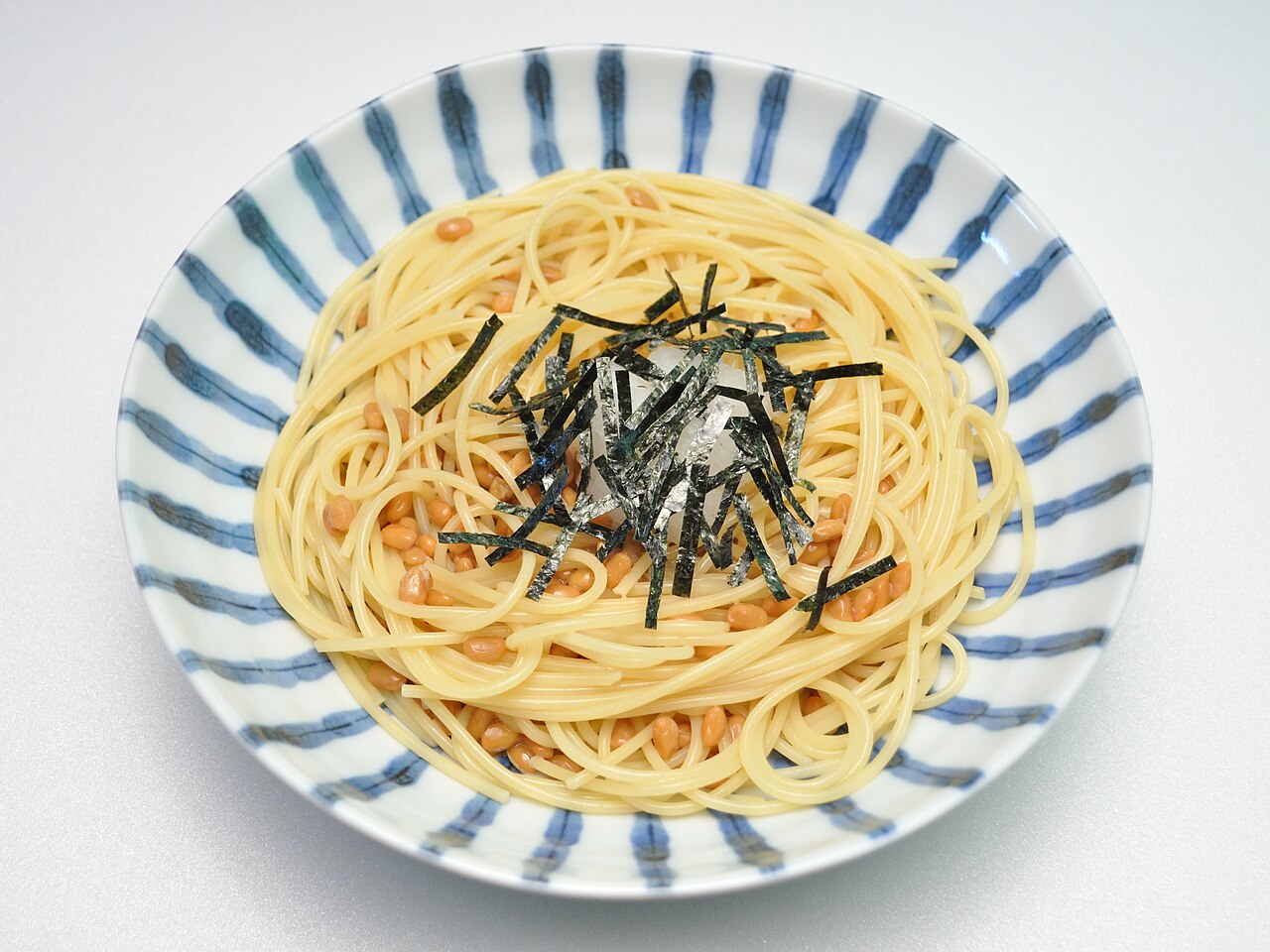
Dietary vitamin K comes largely from leafy green vegetables for K1 and from selected fermented or animal foods for K2 forms. Avoiding nutritious vegetables because of warfarin is not a safe generic strategy; anticoagulation teams commonly focus on maintaining a reasonably consistent intake and adjusting treatment with monitoring.
Labels that pair K2 with vitamin D or calcium create another interpretation problem. A combination trial cannot automatically establish which ingredient caused a change, while the combination can increase total exposure from several products. List each nutrient and dose separately before deciding that a bone blend fills a genuine gap.
Sources & further reading
This article is educational and does not diagnose, treat, or replace individual medical advice. Ask a qualified clinician or pharmacist about symptoms, medical conditions, and possible interactions before using supplements.