Testosterone Blood Test Timing: What to Check Before Buying a Booster
Testosterone varies by time and day. Repeat morning testing and a symptom review should come before claims from testosterone boosters.
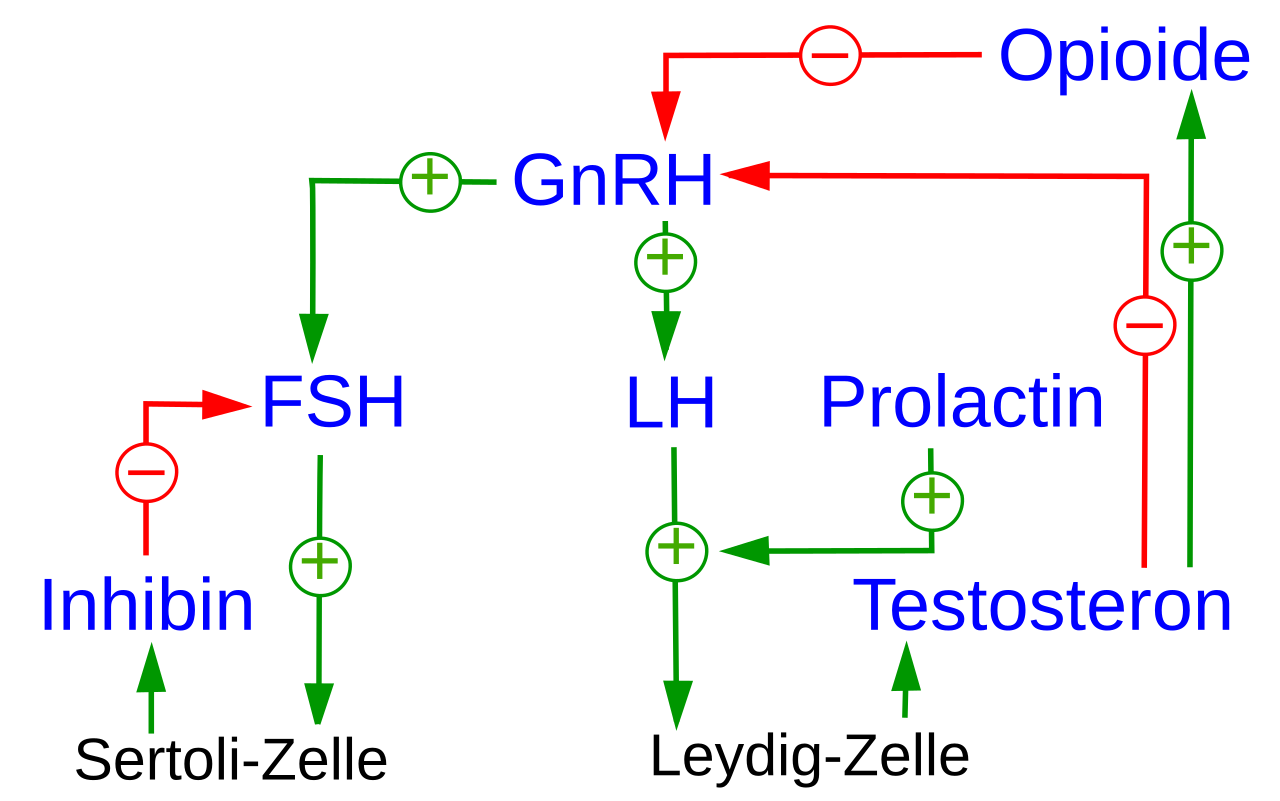
A testosterone diagnosis needs compatible symptoms and repeat properly timed testing; a booster label cannot replace that workup or prove a finished-product effect.
One afternoon result can send the wrong message
Testosterone changes across the day and from one day to another. A low result drawn after lunch, during poor sleep or around an acute illness can look more definitive than it is. Before shopping for a booster, confirm whether the test was collected under conditions that clinical guidelines recognize.
This matters because the phrase low T can turn a variable laboratory value into a self-diagnosis. Symptoms such as low libido, fatigue and reduced strength have many causes. Magnesium for sleep is a separate evidence question, though poor sleep can affect how someone feels. Careful evaluation pairs symptoms with repeat measurements.
Morning sampling reduces one major source of variation
A study of 66 men who provided samples at six visits found testosterone was 20% to 25% lower at 4 p.m. than at 8 a.m. in men ages 30 to 40. The difference was smaller with age but still supported morning measurement across the studied age range.
The exact appointment time may be adapted for shift workers because sleep timing matters. A Bucked Up RUT review can describe one booster label, but it does not change the need for a consistent, clinically interpretable sample. Illness, severe calorie restriction and hard training can also temporarily affect results.
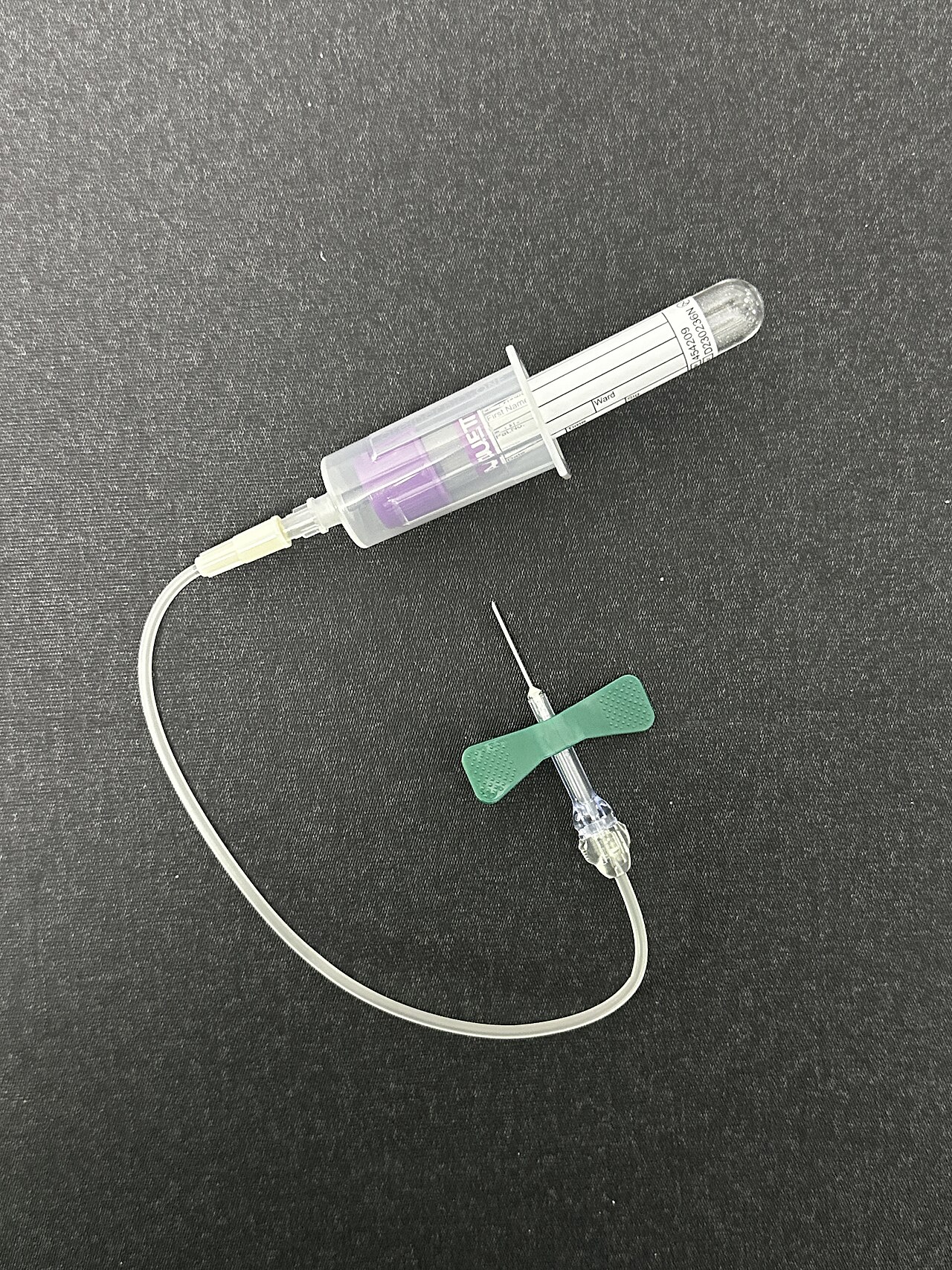
Repeat testing catches ordinary biological fluctuation
In another study, repeat morning testosterone measurements in healthy older men varied enough that within-person biological variation was larger than the average morning-to-afternoon effect. That is why guidelines commonly call for a second morning total-testosterone test before confirming deficiency.
Free testosterone, sex hormone-binding globulin, luteinizing hormone and other tests may be useful when total testosterone and the clinical picture do not align. Zinc for immune support should not be repurposed as proof of a testosterone effect. Those tests are interpretation tools, not an invitation to treat every flagged value.
Ingredient trials do not validate every booster
Ashwagandha for stress and testosterone has been tested in small randomized trials using specific extracts, with inconsistent results across outcomes. Boron for testosterone has a thinner and less consistent evidence base. Results depend on the exact extract, dose, population and duration.
Myogentra is sold as a testosterone and men’s-vitality supplement, not testosterone-replacement therapy. Its label and official purchase page should be judged separately from ingredient studies, and it should not be presented as treating clinically diagnosed hypogonadism. Anyone taking medicines or managing a condition should review the formula with a clinician.
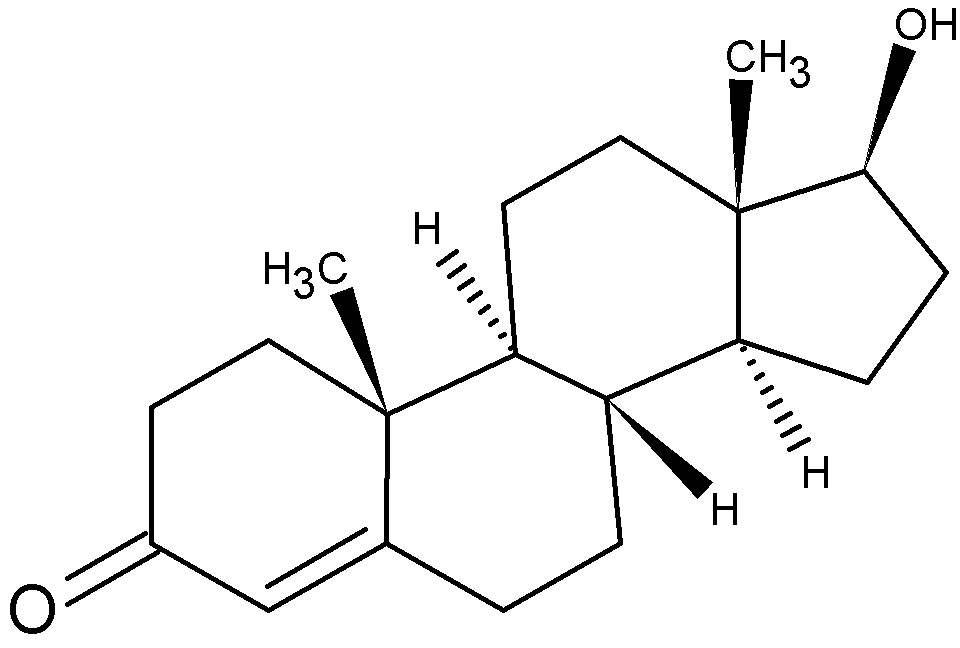
Use the test result to choose the next question
If two properly timed results are low with compatible symptoms, a clinician can look for causes such as obesity, sleep apnea, pituitary or testicular disease, medicine effects and systemic illness. Fertility plans matter because prescription testosterone can suppress sperm production.
If results are normal, a supplement is unlikely to solve every symptom. Review sleep, mood, alcohol, nutrition, training and medications. A Force Factor Test X180 Unleashed review can decode one label, but human evidence still needs to match the exact ingredient, dose and population.
Preparation makes repeat results easier to interpret
Schedule repeat testing at a similar morning time and follow the laboratory or clinician’s fasting instructions. Report acute illness, major sleep loss, new medicines and recent anabolic-steroid or hormone use. Do not start several booster ingredients between tests if the goal is to understand the untreated baseline. Consistency reduces noise without pretending biology becomes perfectly fixed.
Bring the actual values and reference ranges rather than describing a result as low-normal. Assays and ranges differ. Boron for testosterone and other ingredient claims should not distract from deciding whether binding proteins, pituitary hormones or other evaluation is justified. The aim is to explain symptoms safely and avoid treating a laboratory fluctuation.
Online reference ranges can tempt people to compare results from different laboratories as though they were interchangeable. Keep the assay, units and collection time attached to each value. If treatment is proposed, ask what symptom and diagnosis it addresses, what monitoring is planned and how fertility, blood counts, prostate health and cardiovascular risk enter the decision.