Third-Party Supplement Testing: What Quality Seals Actually Mean
Learn what third-party supplement certification can verify, what it cannot prove and how to check a seal before buying.

A legitimate certification can add confidence about identity and manufacturing quality, but it does not prove that a supplement is effective or right for you.
A seal answers quality questions, not health questions
A third-party seal can be one of the most useful marks on a supplement bottle—if it is real and you know what it covers. Independent programs may audit manufacturing, test whether listed ingredients are present and screen for selected contaminants. That is different from proving that the product improves sleep, immunity or any other outcome.
Think of certification as a quality-control layer. It can reduce uncertainty about what is in the container. It cannot decide whether you need the ingredient, whether the dose is appropriate or whether it interacts with a medicine.
Why label accuracy deserves attention
A laboratory analysis of 30 dietary supplements marketed for immune support found that 17 had inaccurate labels, and some contained ingredients not declared on the label. The sample was limited to one market segment, but it shows why a polished package is not enough.
Another study surveying supplements sold on U.S. military installations found only about 12% carried a third-party certification mark. Certification is therefore not automatic, and absence of a seal does not by itself prove a product is poor. It simply means that particular independent verification is not visible.
What reputable programs may verify
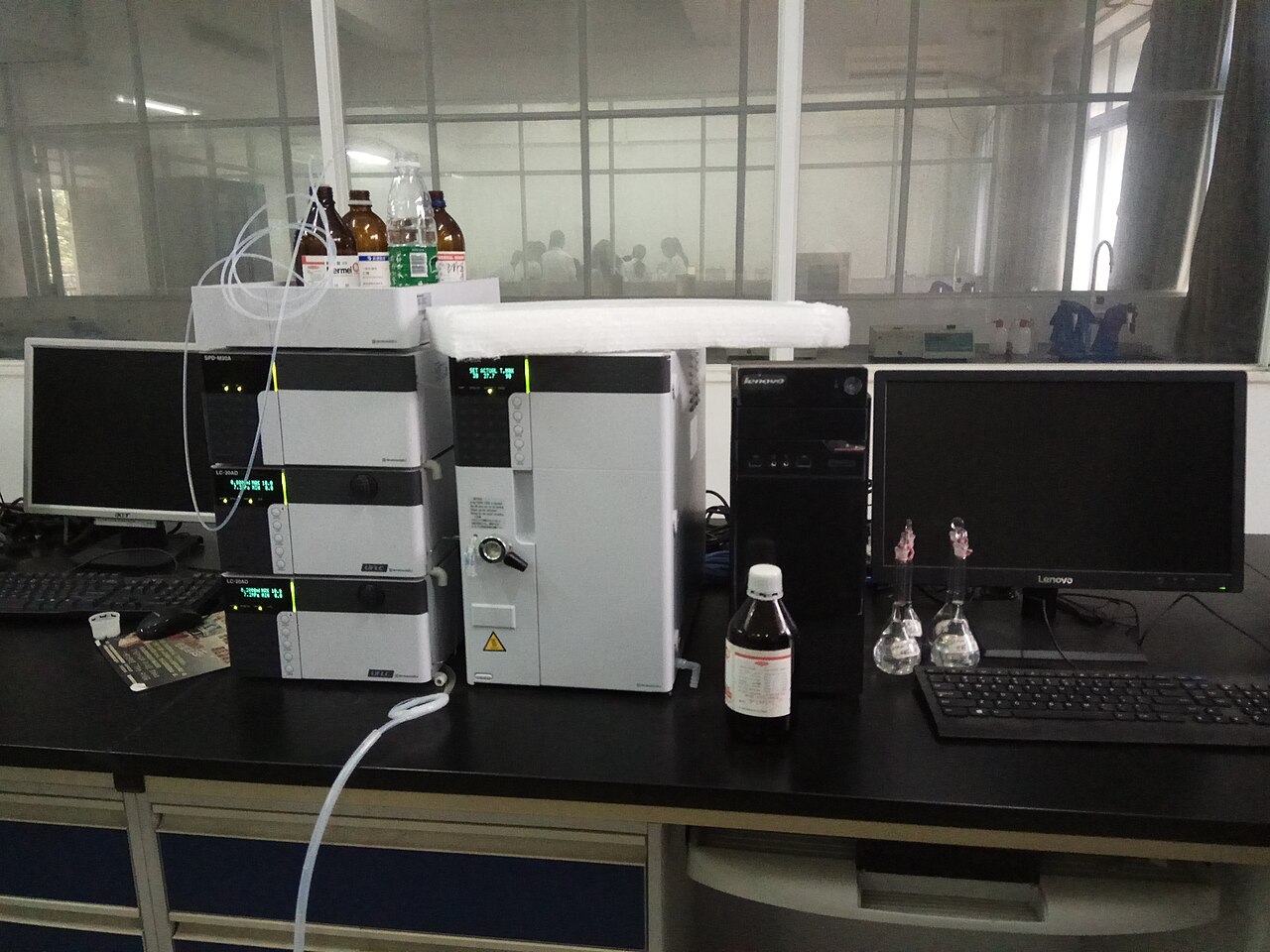
Programs differ, but common checks include ingredient identity, strength, disintegration and limits for microbes, heavy metals or other contaminants. Some also inspect facilities and review whether manufacturing follows current good manufacturing practices. Sports-focused certification may screen for a defined list of substances prohibited in competition.
Scope matters. A test for heavy metals does not automatically include pesticides, pharmaceuticals or every banned substance. A single batch test is different from continuing surveillance. Look for the program's public standard rather than relying on the brand's summary.
How to verify a seal in two minutes
Do not trust the logo alone. Go to the certifier's official database and search the exact brand, product name, dosage form and, when available, lot number. Counterfeit or loosely worded seals can imitate familiar programs. Phrases such as “tested in a lab” or “quality verified” are not the same as certification by a named independent organization.
Check whether the certification is current and whether it applies to the product in your hand. Different flavors, strengths and package sizes may have separate listings. For competitive athletes, use a sport-specific database and confirm the exact lot if the program provides that detail.

Pair quality verification with a need check
FDA requires supplement manufacturers to follow current good manufacturing practices, but supplements are not approved for effectiveness before sale in the way new drugs are. Certification can strengthen confidence in production and contents; it does not convert a supplement into an approved treatment.
After checking the seal, review the dose, serving size, warnings and medication interactions. Prefer simple formulas when one nutrient is the goal, and be cautious with proprietary blends that hide individual amounts. Quality testing is valuable, but the safest purchase still begins with a clear reason to take the product.
Red flags that a seal cannot rescue
Even a genuine quality mark should not override implausible claims. Promises to cure disease, melt fat rapidly, replace prescription treatment or work for everyone are reasons to step back. Be especially cautious with products marketed for sexual enhancement, weight loss or bodybuilding, categories in which undeclared drug ingredients have been found.
Save a photo of the label and lot number when starting a product. If a serious reaction occurs, stop using it, seek appropriate care and report the event to FDA through the Safety Reporting Portal or MedWatch. Certification improves traceability, but post-market reports still help regulators identify problems that a limited testing panel may not capture.
Certification also does not freeze a formula forever. Brands can change suppliers, flavors or ingredient amounts, and an older database entry may not cover the current bottle. Recheck after a package redesign and compare the lot information. Buying from the brand, a known retailer or another traceable seller reduces the chance of receiving a counterfeit or poorly stored product, especially through third-party marketplaces.