Vitamins After Bariatric Surgery: A Lifelong Monitoring Guide
Bariatric surgery changes nutrient needs for life. Learn why supplements, lab monitoring and procedure-specific follow-up all matter.
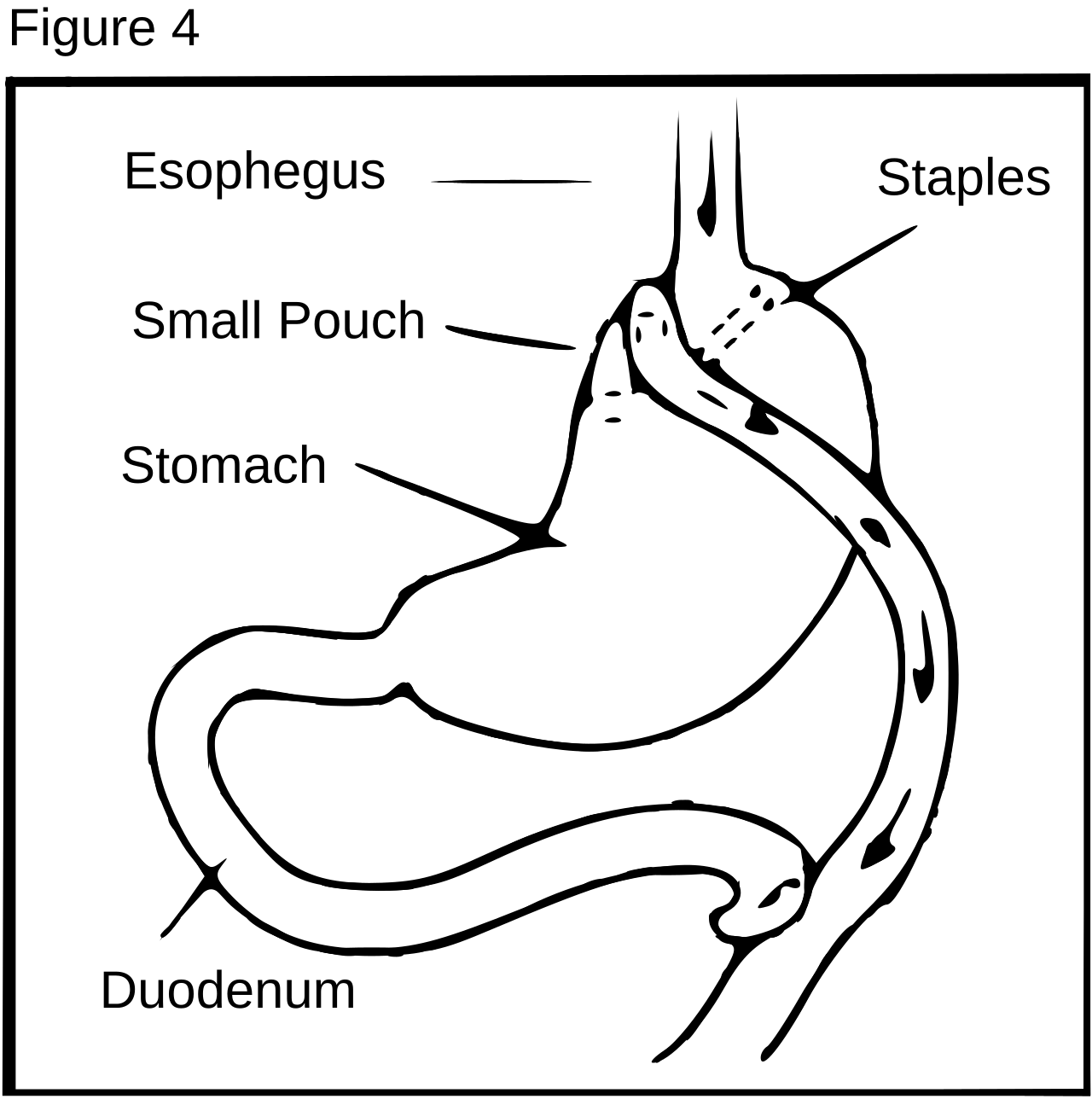
After bariatric surgery, a procedure-specific supplement plan and regular laboratory follow-up work together; neither safely replaces the other.
The operation changes more than portion size
Bariatric surgery can produce major, durable health benefits, but it also changes how food and nutrients move through the digestive tract. Smaller intake, lower stomach acid, food intolerances and bypassed intestine can all contribute to deficiency. The exact pattern depends on whether the procedure is a sleeve gastrectomy, Roux-en-Y gastric bypass or another operation.
That is why a standard store multivitamin is not a universal plan. Bariatric programs often use higher-potency, procedure-specific supplements and scheduled laboratory checks. The need continues even when weight is stable and the person feels well, because early deficiency can be silent.
Common gaps have different consequences
Iron deficiency may cause fatigue and anemia, especially in people who menstruate. Vitamin B12 deficiency can affect blood cells and nerves. Thiamin deficiency can become urgent during prolonged vomiting or very low intake. Folate, vitamin D, calcium and fat-soluble vitamins can also require attention depending on the operation and diet.
Symptoms overlap with many other conditions, so guessing from fatigue, tingling or hair changes is unreliable. A laboratory trend is more useful than a single symptom or a one-time normal result.
Trials support specialized formulas—but not autopilot
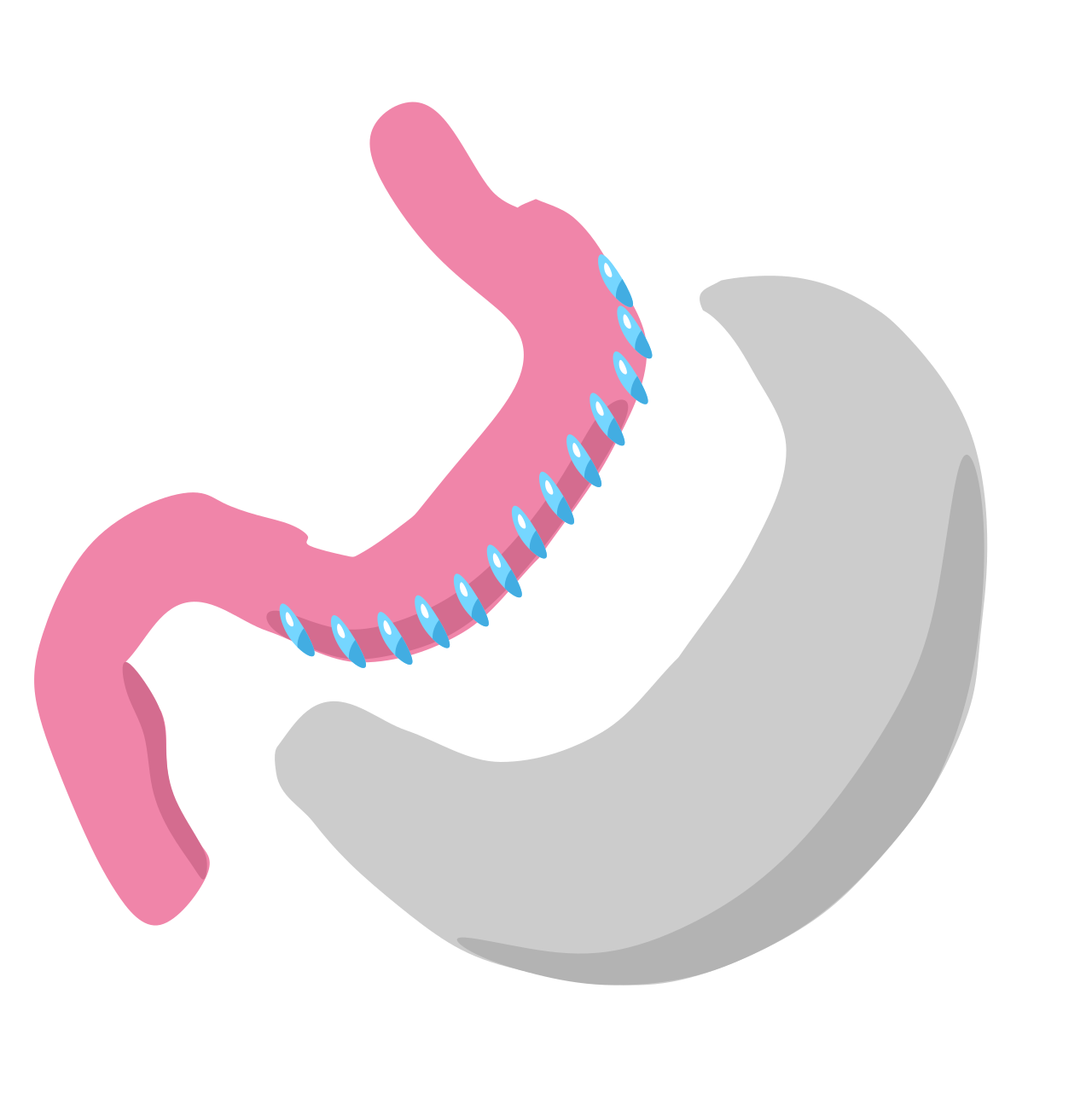
Randomized trials after Roux-en-Y gastric bypass and sleeve gastrectomy have compared specialized multivitamins with standard supplements. The optimized formulas improved several nutrient measures and reduced some deficiencies, showing that formulation can matter after surgery.
The trials do not mean one bottle fits everyone. Adherence, vomiting, pregnancy, medications, preexisting deficiency and the surgical technique can change the plan. Some people still need separate iron, calcium citrate, vitamin D, vitamin B12 or other nutrients based on results.
Timing and pairing can improve the routine
Calcium is often divided because the body absorbs limited amounts at one time. Iron and calcium may need to be separated, and iron can interact with thyroid medicine and certain antibiotics. Vitamin B12 may be taken orally, under the tongue or by injection depending on the clinical plan and response.
A simple schedule can reduce missed doses: link each dose to a regular daily event, use a pill organizer and keep the current list in the medical record. Do not crush or open products unless the bariatric team or pharmacist confirms that it is safe.
When to call the bariatric team
Persistent vomiting, trouble keeping fluids down, weakness, confusion, new numbness or rapidly worsening symptoms deserve prompt medical attention. Thiamin treatment should not wait for routine follow-up when deficiency is suspected. Pregnancy planning also warrants an early review because both needs and safe upper limits change.
For routine care, keep annual or program-recommended visits even years after surgery. Bring every supplement, including powders and gummies, so totals can be calculated. The practical goal is not the highest dose; it is stable nutrient status with the lowest burden that reliably meets individual needs.
Prepare for follow-up before a problem appears
Ask the bariatric program for a written schedule of supplements and laboratory tests, including who reviews results when care shifts to primary care. Keep the operation name and date in the chart. If the original program closes or is far away, a bariatric dietitian or obesity-medicine clinic can help rebuild a procedure-specific plan rather than relying on memory.
Bring ferritin, blood counts, vitamin B12, folate, vitamin D, calcium and other requested results together so trends are visible. Normal blood calcium alone does not prove calcium intake or bone health is adequate because the body tightly regulates it. Long-term success includes protecting nerves, blood and bones—not just maintaining weight change.
Deficiency risk can rise during periods of rapid weight loss, limited food variety or poor tolerance. Do not wait for the next annual visit if intake drops for days or vomiting continues. Early contact can prevent a manageable nutrition problem from becoming an emergency. Keep backup forms approved by the care team for travel or temporary intolerance, and store reorder details before the supply runs out.