Vegan Supplements: A Practical Guide to B12, Iodine and Vitamin D
A vegan diet can be nutritionally strong, but B12, iodine and vitamin D deserve deliberate planning. Learn what to check and why.
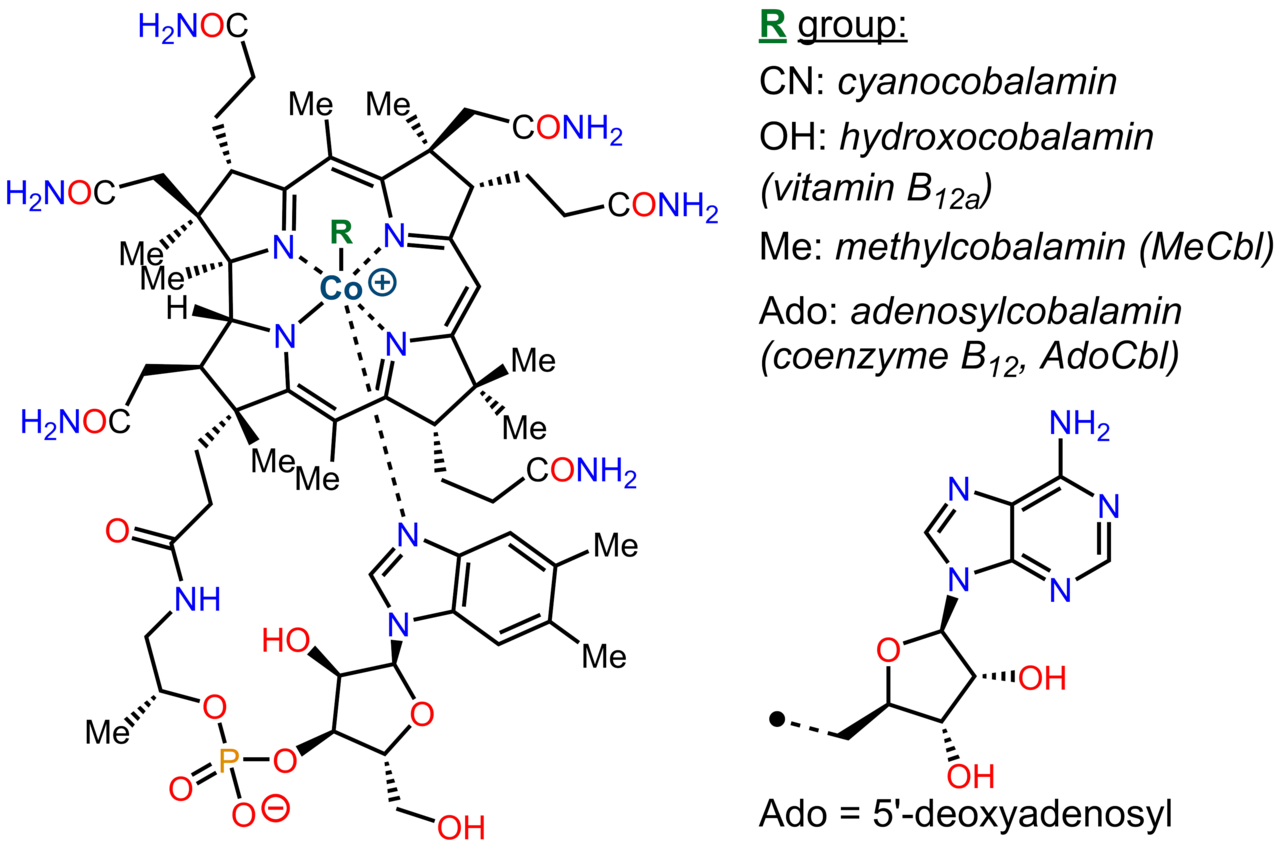
Build a vegan supplement plan around dependable vitamin B12 and assess iodine and vitamin D from foods, fortification, location, labs and life stage.
Three nutrients deserve an intentional plan
A well-planned vegan diet can supply abundant fiber, folate, vitamin C and many other nutrients. The recurring weak points are not a verdict on plant-based eating; they are a planning problem with practical solutions. Vitamin B12 needs a reliable fortified food or supplement source. Iodine and vitamin D depend more on food choices, fortification, geography and sun exposure.
The goal is not to buy a large stack. It is to identify the few nutrients without dependable intake, choose appropriate doses and verify the plan when risk is higher.
Vitamin B12 is the non-negotiable
Unfortified plant foods are not dependable sources of vitamin B12. Deficiency can cause anemia and neurologic injury, and symptoms may appear only after body stores fall. Fortified plant milks, nutritional yeast and breakfast cereals can contribute, but the label and serving pattern must be consistent.
A 2025 randomized trial in adults following vegetarian or vegan diets found that low-dose daily B12 supplementation improved B12-related biomarkers. That supports a planned source, not a single universal dose. Age, absorption problems, medicines such as metformin or acid suppressors, pregnancy and existing deficiency can change clinical advice.
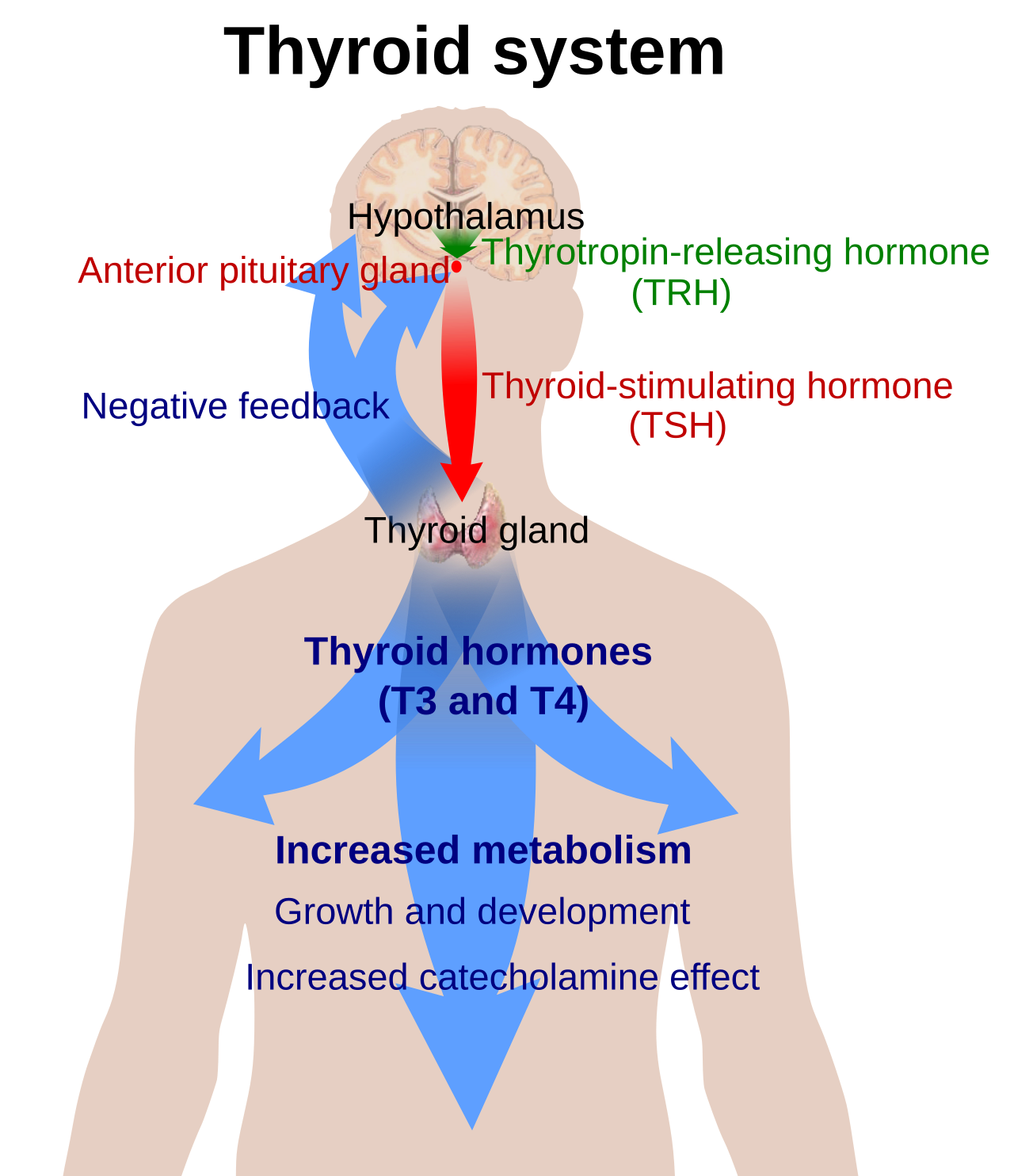
Iodine can swing from too little to too much
Iodine supports thyroid hormone production. Vegans who avoid dairy, seafood and iodized salt may have low intake, while frequent seaweed can supply highly variable—and sometimes excessive—amounts. Specialty salts labeled sea salt, Himalayan or kosher are not automatically iodized.
Check whether household salt says iodized and look at serving amounts rather than assuming all salt is equivalent. People with thyroid disease, those who are pregnant or breastfeeding, and anyone using iodine-containing medicine should discuss supplementation with a clinician. More iodine is not a shortcut to more thyroid activity.
Vitamin D depends on more than diet identity
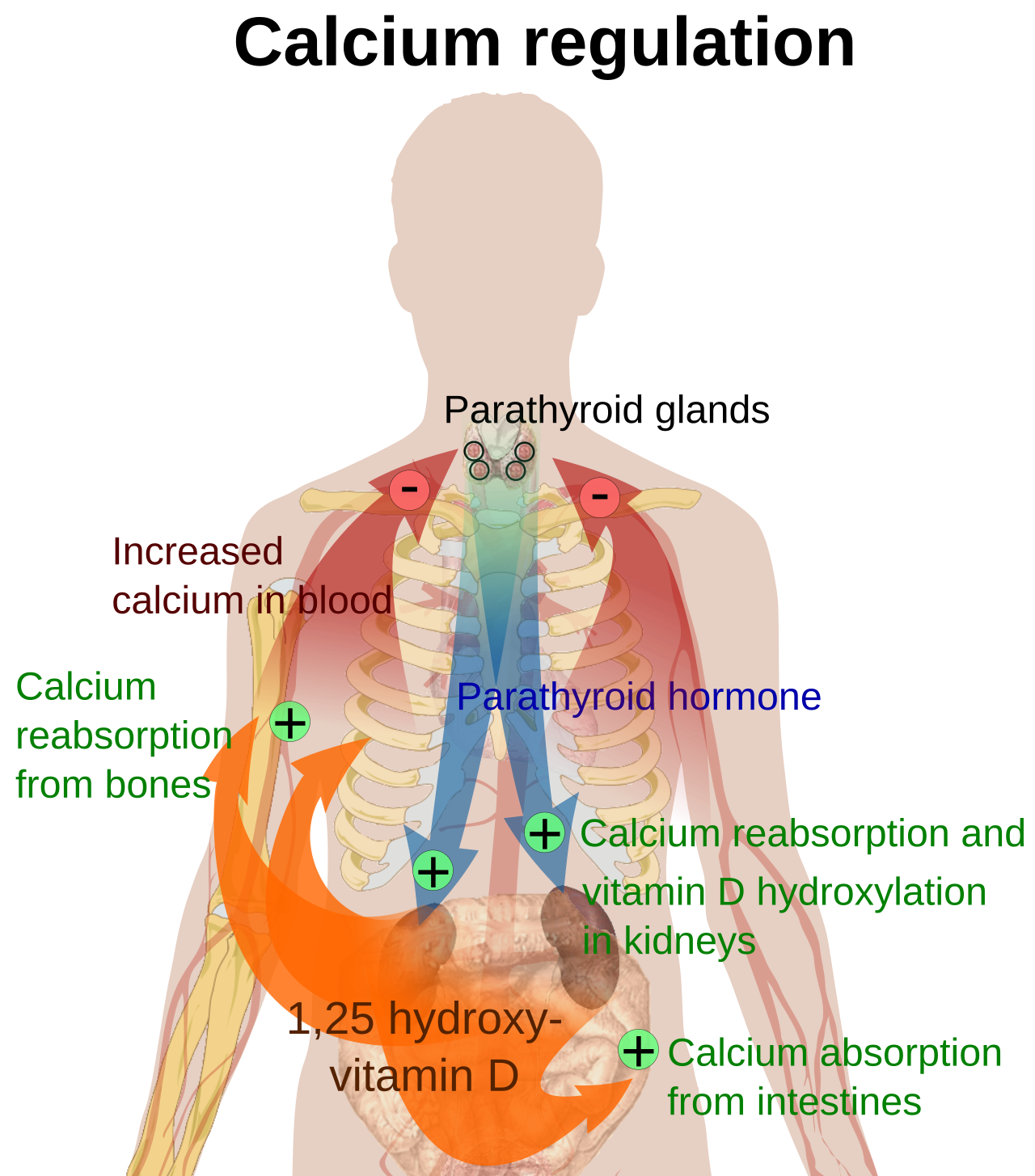
Vitamin D intake may be low in vegan and omnivorous diets alike. Fortified plant milks and some cereals help, but fortification varies. Skin pigmentation, season, latitude, time outdoors, age and body size influence vitamin D status, so the word vegan does not determine the full risk.
A 2026 randomized trial of a vegan multinutrient supplement increased vitamin D measures and improved the omega-3 index in healthy adults following a vegan diet. The results apply to that formula and study population, not every multivitamin. Testing is most useful when a clinician identifies risk or symptoms rather than as a universal shopping requirement.
Build the smallest reliable routine
Start with a dependable B12 source and record its form, dose and frequency. Review fortified foods for vitamin D and iodine, and check calcium, iron, zinc and omega-3 intake based on the overall diet rather than automatically supplementing each one.
Choose products with clear amounts and independent quality verification. Reassess during pregnancy, breastfeeding, adolescence, older age or after major dietary changes. A registered dietitian familiar with vegan nutrition can turn a food record into a targeted plan. The best routine is boring in a good way: specific, consistent and based on actual gaps.
Food labels can do part of the planning
Fortified foods are useful only when the serving and frequency add up. Write down the B12, vitamin D, calcium and iodine shown on the labels of plant milks, cereals and nutritional yeast you actually use. Brands and flavors differ, and an organic label does not guarantee fortification. Shake fortified beverages because some nutrients can settle.
Avoid using a broad multivitamin to cover uncertainty without checking amounts. It may provide too little B12 for an inconsistent schedule, omit iodine or add nutrients already abundant in the diet. A short food record reviewed once or twice a year can keep the routine focused as products, appetite and life stage change.
Algae-derived vitamin D3 and omega-3 products can meet vegan preferences, but the source does not determine the correct dose. Look for a vegan certification if cross-contact or animal-derived capsule ingredients matter to you. For children, pregnancy or breastfeeding, avoid adapting an adult plan by simple body-weight math; these stages have specific nutrient targets and safety considerations that deserve pediatric or prenatal guidance.