VitaVein Review: Heart-Health Research, Beetroot Convenience, and Daily Value
Review VitaVein’s beetroot capsules through heart-health research, nitrate-label context, daily convenience, current bundles, and purchase terms.
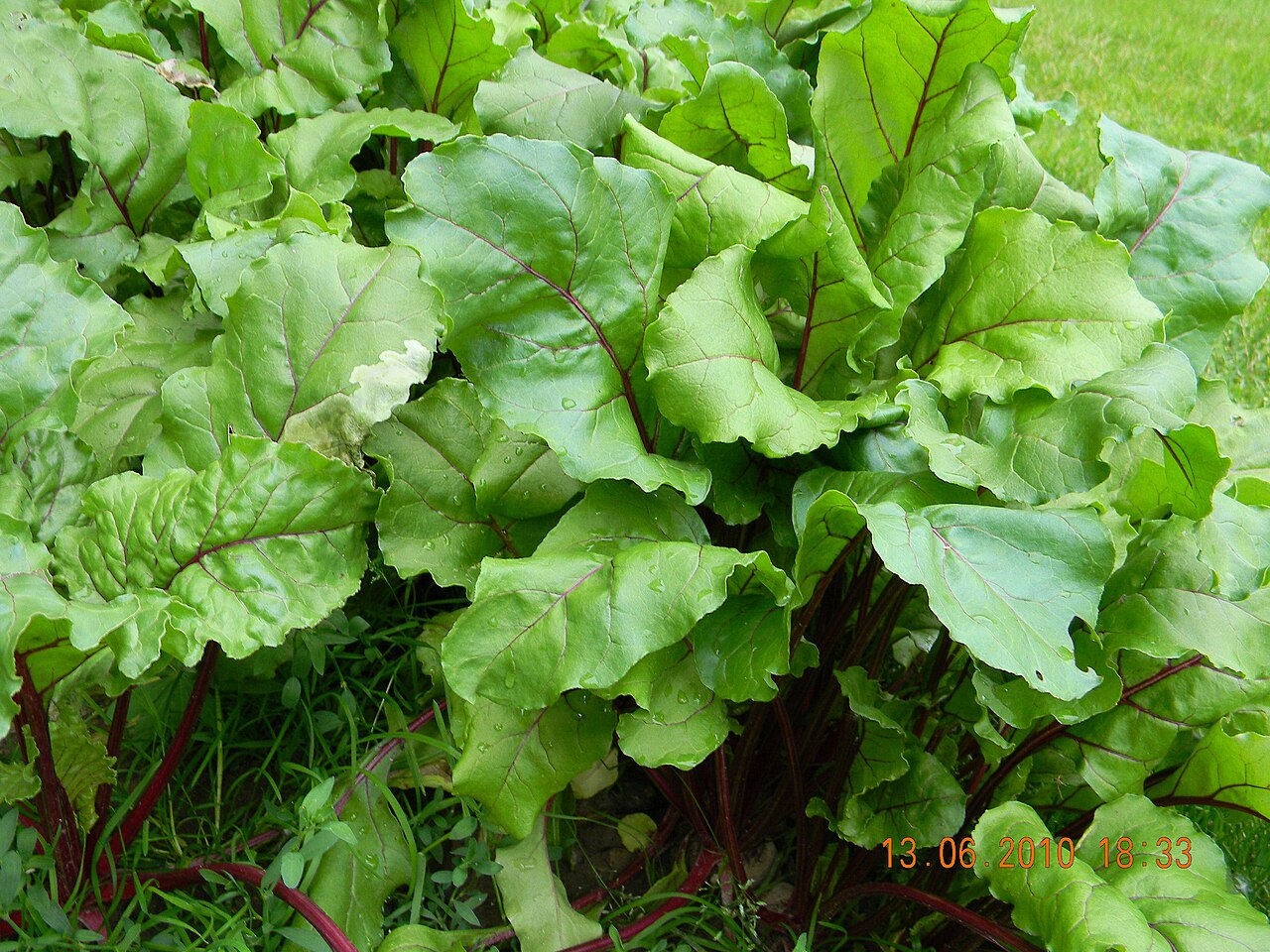
VitaVein is best considered as a convenient beetroot option in the heart-health category. Human nitrate studies inform its circulation rationale, while the capsule’s unquantified nitrate content limits product-specific conclusions.
A convenient beetroot option for a heart-focused routine
VitaVein belongs most naturally in the heart-health supplement conversation. Its beetroot ingredient connects with human research on dietary nitrate, blood pressure, and blood-vessel function, while its once-daily capsule offers an approachable alternative to preparing beetroot juice. For a reader seeking a convenient beetroot addition to a cardiovascular wellness routine, that combination of a recognizable ingredient and a small daily serving is the clearest reason to investigate the product. The heart-health focus also gives the review a useful organizing question: how closely does the marketed capsule match the preparations and outcomes studied in people?
The current page describes 30 capsules per bottle and 1,300 milligrams of beetroot per serving, but it does not quantify nitrate content. Its text describes powder while the abbreviated facts graphic describes extract. Those details matter because measured nitrate-rich juice studies do not establish the same effects from this capsule. This review starts with the cardiovascular evidence, then considers the actual label, convenience, and purchase terms. It does not claim independent product testing or a demonstrated blood-pressure or cholesterol result from VitaVein.

Dietary nitrate gives beetroot its cardiovascular research rationale
Beetroot is associated with research into dietary nitrate and the body’s nitrate–nitrite–nitric-oxide pathway. This is a genuine area of human physiology, and it helps explain the circulation language used across the category. Nitrate consumed in food can contribute to a pathway involving oral bacteria and the formation of nitric oxide, which has important roles in blood-vessel function. That gives beetroot a research rationale beyond the appeal of its color or its reputation as a vegetable.
The category’s strength is also the reason product comparisons deserve care. Studies often use measured amounts of nitrate in a specific juice or preparation. The weight of beetroot material is not the weight of nitrate. VitaVein’s 1,300-milligram figure describes the featured beetroot ingredient, not a verified nitrate dose. Buyers who enjoy understanding the science can use this as a useful comparison point: ask whether a product reports nitrate content and whether the preparation matches the research being discussed. That question adds precision without taking away the convenience of the capsule format.
What a controlled blood-pressure study contributes
Kapil and colleagues randomly assigned sixty-eight people with hypertension to nitrate-rich beetroot juice or a nitrate-depleted comparison juice for four weeks. The daily preparation was 250 milliliters of juice, with its nitrate content measured. The investigators reported blood-pressure reductions in that study setting. It is a valuable example of a controlled human trial supporting interest in the dietary-nitrate pathway.
The finding is not a trial of VitaVein. It also does not establish that a capsule containing an unspecified nitrate amount will reproduce the same effect. Its positive contribution to a product review is the research direction: a food-derived intervention has been tested against a relevant control with a clearly defined outcome. For a buyer, that is a more substantial foundation than a vague statement that beets have always been considered healthy. The next step is to ask how closely the marketed product’s composition and serving can be connected with that specific evidence.
How to assess the heart-health positioning
The website connects VitaVein with circulation, cardiovascular wellness, and cholesterol-related language. These themes are related but are not the same clinical outcome. Blood pressure, the function of the vessel lining, LDL cholesterol, and cardiovascular events each require their own measurements. A result in one area should not be silently converted into a result in another.
For an interested buyer, the constructive approach is to identify the goal that matters most. Someone curious about a convenient beetroot routine is asking a different question from someone trying to manage a diagnosed cholesterol problem. The product page’s broader wellness concept can be appealing, but it does not establish VitaVein as a replacement for an existing treatment plan. The most useful expectation is specific: a daily beetroot supplement with a plausible ingredient research background, whose precise effects still depend on product-specific evidence and the individual context. This keeps the attractive idea connected with a clear and realistic purpose.

The key product details are easy to summarize
The official product description states 1,300 milligrams of beetroot per serving. The public product data repeats that figure, while the promotional Supplement Facts graphic calls the ingredient beetroot extract. Other prose calls it beetroot powder. The product is therefore clearly positioned as a beetroot capsule, although the precise powder-versus-extract description should be confirmed on the supplied bottle if that distinction matters to the purchase.
The visible material also presents thirty capsules and a one-capsule daily direction. This makes the intended habit easy to understand. The abbreviated graphic does not establish a complete other-ingredient list or provide a quantified nitrate amount. A buyer can appreciate the simplicity of the featured ingredient while still requesting the current full label. That additional information is especially useful for dietary preferences or a comparison with another beetroot product. A short, recognizable ingredient concept is an appealing feature; obtaining the complete label makes that feature more informative.
Capsule convenience and juice research answer different questions
A capsule offers practical advantages that are visible without a trial: it is compact, has a defined serving instruction, and does not require measuring a drink. Some buyers may prefer that experience because it fits travel, work, or an already established supplement routine. Those preferences can legitimately influence a purchase. Ease of use is part of value, particularly when comparing products intended for regular use rather than an occasional recipe.
Juice research, however, should retain its original context. The liquid volume, nitrate content, preparation method, and comparison condition can all affect the question a study answers. A capsule is not automatically equivalent simply because both products originate from beetroot. This distinction lets VitaVein’s format advantages stand on their own. A buyer can prefer a capsule for convenience while recognizing that evidence about a measured juice provides ingredient context rather than proof of the exact finished product. Clear comparisons make the choice more useful, not less appealing.
The caffeine-free positioning is a practical feature
VitaVein’s current description emphasizes energy support without caffeine. For people who prefer to avoid adding another caffeinated product, that positioning can be relevant to the shopping decision. It is a different proposition from a stimulant-style pre-workout or an energy drink, even though those categories may also use language about stamina. The product’s featured ingredient and daily format are the aspects to compare directly.
Caffeine-free positioning does not mean a verified change in energy has been established for every user. Energy can reflect sleep, food intake, activity, medical circumstances, and many other factors. The useful attraction is the ability to consider a beetroot-focused option without deliberately adding caffeine to the routine. Confirm the full current label if avoiding particular ingredients is important. The same practical approach applies to any supplement described as natural: appreciate the clear ingredient idea, then make sure the actual supplied formula fits the preference that motivated the purchase.
A supplement can complement an enjoyable food routine
One capsule is easy to organize, while vegetables contribute a broader food experience. Whole beets, leafy vegetables, beans, and other foods provide different combinations of nutrients, texture, flavor, and dietary variety. VitaVein’s convenience can be considered alongside that pattern without assuming that a capsule supplies everything a serving of vegetables offers. A product with one featured ingredient has a defined role rather than needing to become the entire nutrition plan.
This is a positive way to think about the purchase. The capsule can appeal to someone who values a simple additional habit, while meals continue to provide the variety and enjoyment that a supplement cannot package. It also avoids making the product compete with unrealistic expectations about replacing food. If a buyer is comparing costs, include both convenience and the intended purpose. A capsule may be easier to carry than juice, while food may provide benefits and satisfaction beyond the specific ingredient being considered. The best fit depends on the routine the person actually wants to maintain.

The displayed bundles make the value proposition distinctive
The selected official page displayed a buy-one-get-one offer at $49.95, a buy-two-get-two option at $58.95, and a buy-three-get-three option at $71.95 during this review. The same variant prices were available in the store’s public product data. Those are appealing differences in initial commitment and average bottle cost, rather than merely three versions of the same monthly purchase.
Using the bottle counts stated in the offer names, the displayed totals work out to approximately $24.98, $14.74, and $11.99 per bottle respectively, before applicable taxes or shipping. Each bottle is presented as a thirty-day supply at the labeled direction. That makes the larger offer particularly interesting to a buyer already comfortable with the product concept. A smaller order keeps the upfront commitment lower. Confirm the exact number of bottles and selected total in the order summary, because a sensible value calculation should follow the offer actually being purchased rather than a promotional figure seen elsewhere on the page.
One-time ordering can make the commitment clearer
The page labels the purchase as one-time and says there is no subscription. That is a useful convenience feature for buyers who want control over the next order rather than an automatic replenishment schedule. As always, the final order summary is the place to confirm the selected variant, quantity, and total. Keeping that confirmation makes it easy to compare the next purchase if prices or offers change later.
Shipping also belongs in the calculation. The store banner advertises free shipping on orders over fifty dollars, while the page describes typical U.S. delivery of three to five business days after processing. The $49.95 option sits below that stated threshold, so free delivery should not be assumed for it without checking the order summary. These details need not complicate the product’s appeal. They simply make the attractive bundle pricing more useful by connecting it with the delivered cost and the purchase arrangement a buyer actually wants.
Read the ninety-day promise alongside its eligibility language
VitaVein prominently describes a ninety-day money-back promise. That can provide a reassuring route for seeking support if a purchase does not suit the buyer. The page also contains more specific wording: one section refers to returning unused bottles, while another refers to unopened bottles. Those phrases can matter when choosing a supply size, especially if the buyer expects to open one bottle before deciding about the rest.
The straightforward approach is to ask the seller to confirm the terms that apply to the selected order and keep the response with the purchase record. A stated return window is a transaction feature, not proof that a biological result will occur within that period. Appreciating the availability of support does not require overlooking the eligibility details. Clear information makes a generous-looking offer easier to evaluate and allows the daily-format convenience to remain the main reason for considering the product. It also avoids an unnecessary surprise if a return is later requested.

Choosing a fit for the person
A circulation-focused supplement is best considered with the person’s existing routine in view. If blood-pressure medicines, cardiovascular care, or kidney-related dietary advice are already involved, bring the actual bottle label into that discussion. The abbreviated marketing graphic does not answer every individual question about suitability or the complete formulation. A short, specific conversation can be more useful than trying to infer compatibility from the word beetroot alone.
The same principle applies to symptoms described in customer stories. Persistent cold feet, numbness, or a new change in exercise tolerance should not be self-diagnosed as a need for a particular supplement. Those experiences can have different causes. A buyer can still be interested in VitaVein’s convenient format while getting a persistent concern assessed appropriately. That keeps the product’s role constructive: an optional daily supplement considered within a wider wellness plan, with enthusiasm for the format and ingredient category separated from assumptions about a personal medical outcome.
Keeping the routine easy to evaluate
Before ordering, identify the practical reason for the purchase. It may be the one-capsule format, the preference for a beetroot-focused ingredient, the lack of added caffeine in the stated positioning, or the displayed bundle value. These are specific reasons that can be revisited at the next order. They are also easier to evaluate than a broad expectation that every aspect of heart health will change together.
Keep the received label, the selected offer confirmation, and any information supplied about nitrate content or ingredient identity. If the seller later provides a finished-product study or a relevant batch assay, that information can make the comparison more precise. In the meantime, do not treat customer percentages or a week-by-week marketing timeline as a personal forecast. A clear purpose and a consistent record let the useful features of the product remain visible while leaving biological claims at the level of certainty the available evidence supports.
The feature-led verdict
VitaVein has a straightforward, attractive format for buyers who want beetroot in a compact daily routine. The one-capsule direction, thirty-capsule presentation, one-time-purchase wording, and range of displayed bundles give the product several practical features that can be assessed directly. Its ingredient category also has a genuine human research background, which makes the circulation concept worth understanding rather than dismissing as a purely decorative wellness phrase.
VitaVein’s strongest fit is a convenient beetroot supplement for someone interested in the heart-health category and comfortable checking the label details. Confirm the complete formula, quantified nitrate information if available, and the selected bundle and return terms. Its single-capsule format and one-time offers are tangible features; a predictable blood-pressure, cholesterol, or cardiovascular outcome from the finished product has not been established. That distinction lets a suitable buyer appreciate the practical value while keeping cardiovascular goals connected to the evidence and care relevant to those goals.
Sources & further reading
This article is educational and does not diagnose, treat, or replace individual medical advice. Ask a qualified clinician or pharmacist about symptoms, medical conditions, and possible interactions before using supplements.