Zinc Lozenges for a Cold: Why Formulation and Timing Change the Evidence
Zinc-lozenge trials have mixed results. Salt, elemental dose, timing, flavoring and blinding can all change what a study finds.
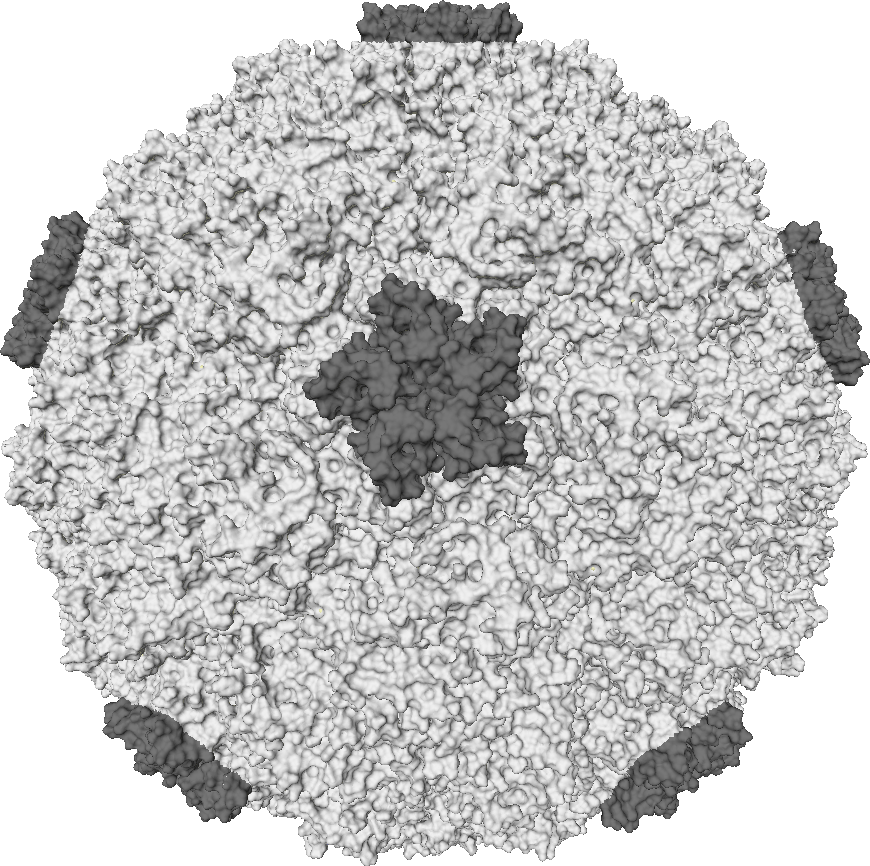
If zinc lozenges help at all, the effect appears formulation- and timing-dependent; short-term use is different from taking high-dose zinc every day.
Zinc-lozenge studies are not testing one interchangeable product
Zinc lozenges dissolve slowly in the mouth, exposing the upper airway to ionic zinc. That local-delivery idea is why a swallow-fast tablet is not an equivalent substitute. The zinc salt, elemental dose, binders, flavoring, start time and number of daily lozenges can all change the experiment.
The broader zinc for immune support evidence should not be reduced to a promise that every cold will end faster. Colds involve different viruses, symptoms are subjective, and the metallic taste can reveal who received zinc rather than placebo.
A positive gluconate trial found a shorter symptom period
A 1996 randomized trial asked adults to begin zinc gluconate lozenges within 24 hours of symptoms. The median time to resolution was 4.4 days with zinc and 7.6 days with placebo. Several symptoms ended sooner, while adverse effects such as bad taste and nausea were more common.
The trial supports a possible benefit for that regimen, not a guarantee for a lower-dose candy-like lozenge. Vitamin E supplements offer another example of plausible immune or antioxidant biology not guaranteeing prevention. A strong taste can also change expectations and symptom reporting when blinding fails.
A modern acetate trial did not find faster recovery
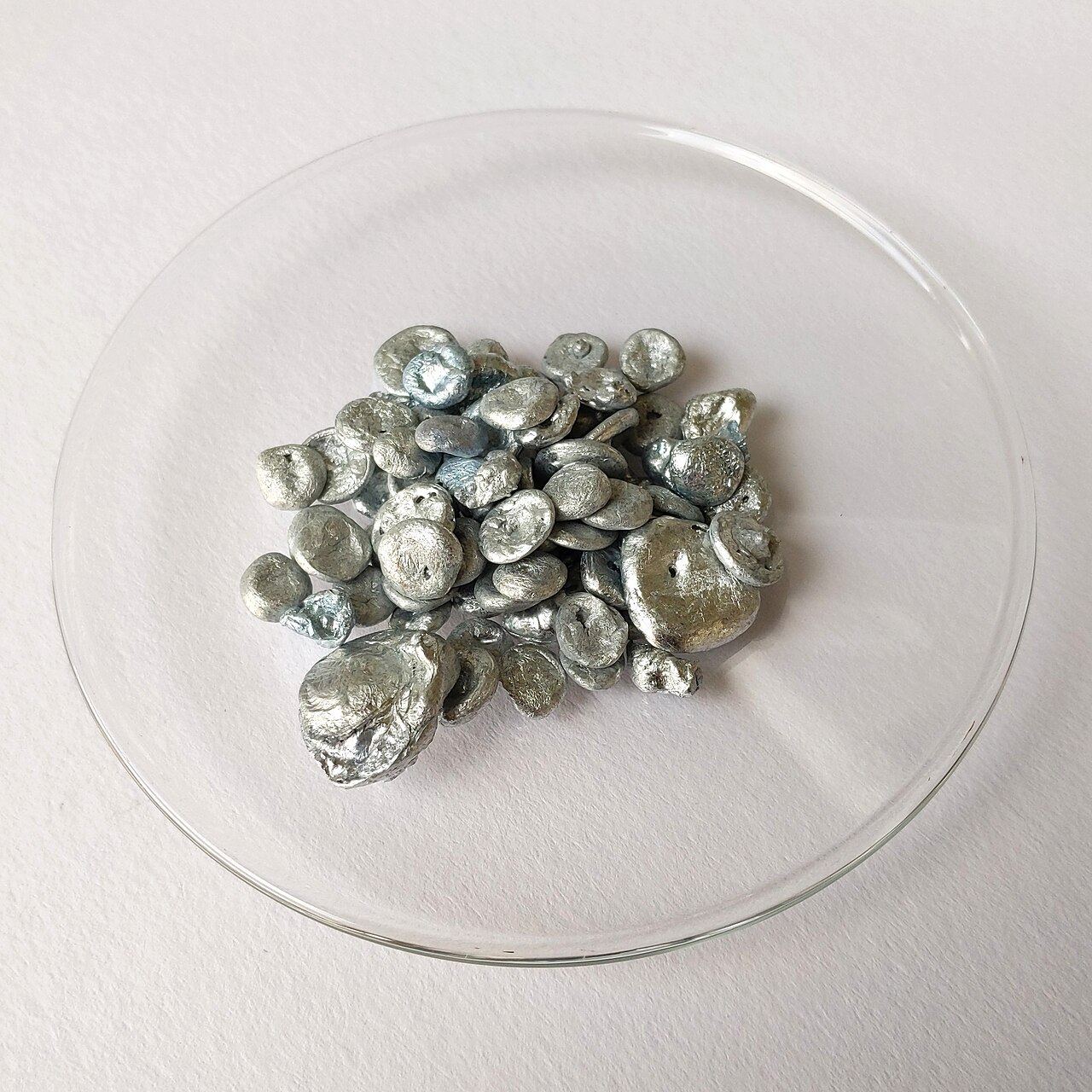
A 2020 randomized trial tested zinc acetate lozenges in adults with a common cold and found no significant difference in recovery rate during the five-day treatment period. After treatment ended, recovery was temporarily slower in the zinc group, a finding the authors said required further study. Vitamin C and colds remain a separate evidence question.
Mixed trials are why vitamin C and colds and zinc lozenges should be discussed separately and carefully. A pooled estimate can hide different salts, doses and product chemistry. One ingredient name on the front label is not enough to reproduce a studied formulation.
Read elemental zinc and avoid the nasal route
The Supplement Facts panel should state elemental zinc per lozenge. Multiply by the number used in a day and count zinc in multivitamins or other immune blends. Vitamin A labels also need attention because retinol and beta-carotene are not interchangeable, and stacking multiple immune products can raise several nutrients at once.
FDA has warned against certain intranasal zinc products because of reports of loss of smell. A mouth lozenge is a different route, but it can still cause nausea, mouth irritation or taste changes. Stop use and seek advice for concerning symptoms.
Keep a short experiment short
If an adult chooses a lozenge, start only within the time window used by the selected evidence, follow the label and avoid stacking several zinc products. Long-term high intake can interfere with copper status. Keep the experiment short and do not convert a cold remedy into a daily high-dose mineral routine.
Children, pregnancy, chronic illness and regular medicines deserve extra review. Seek care for trouble breathing, dehydration, chest pain, confusion or symptoms that worsen instead of improving. The practical takeaway is narrow: formulation and early use may matter, while routine high-dose zinc carries a different risk-benefit balance.
Product chemistry can neutralize the active zinc
Some flavoring and binding compounds can hold zinc ions tightly, reducing the amount available in saliva. That is one reason total elemental zinc alone cannot predict a lozenge result. A product that tastes pleasant and lists the same milligrams may not reproduce the ionic exposure from a clinical trial. Finished-product evidence is therefore more informative than salt name alone.
Cold symptoms also change from hour to hour. Trials rely on predefined scores and start times so normal recovery is not mistaken for a product effect. If you try zinc, write down when symptoms began, when the first lozenge was used and when use stopped. That simple record is more honest than remembering only the colds that seemed unusually short.
Because colds usually resolve on their own, even a real benefit is measured in time and symptom burden rather than a cure. Wash hands, rest, drink enough fluid and use ordinary symptom care safely. Antibiotics do not treat a routine viral cold. A lozenge decision should remain a small choice inside that larger, practical recovery plan.