Daily Value vs. RDA vs. Upper Limit: A Supplement Label Guide
Learn what Daily Value, RDA, AI and Upper Limit mean on supplement labels—and why more than 100% DV is not automatically better.
Use % Daily Value to compare products, RDA or AI to judge usual intake, and the Upper Limit to spot when stacking products may go too far.
The three numbers answer different questions
A supplement label can turn a simple shopping trip into alphabet soup: DV, RDA, AI and UL. The useful shortcut is that these numbers do different jobs. The Daily Value helps you compare labels. The Recommended Dietary Allowance or Adequate Intake helps plan a person's usual total intake. The Tolerable Upper Intake Level marks a level above which the chance of harm can rise.
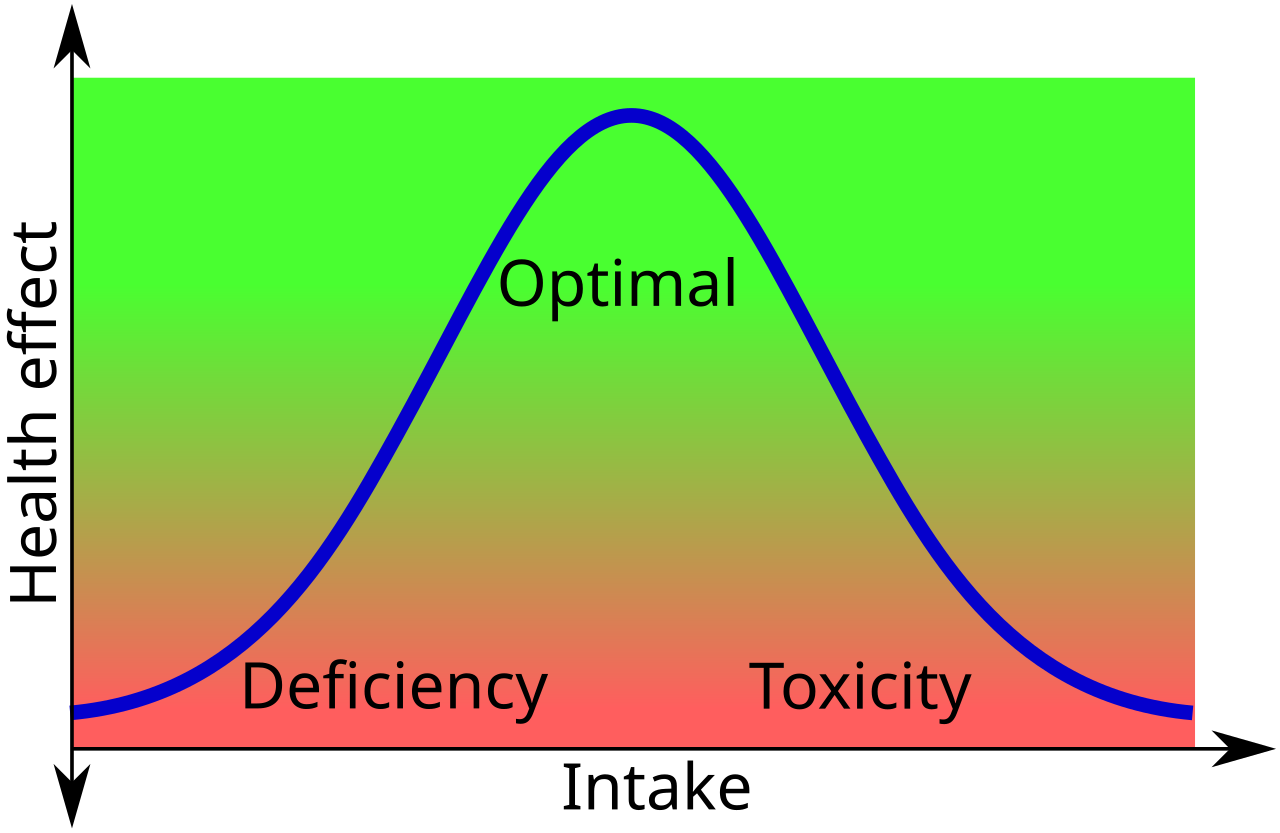
None of them is a score for how powerful a pill is. A bottle showing 500% Daily Value is not automatically five times as beneficial as one showing 100%. Nutrients prevent deficiency and support normal function, but benefit does not keep rising in a straight line as the dose climbs.
What % Daily Value really tells you
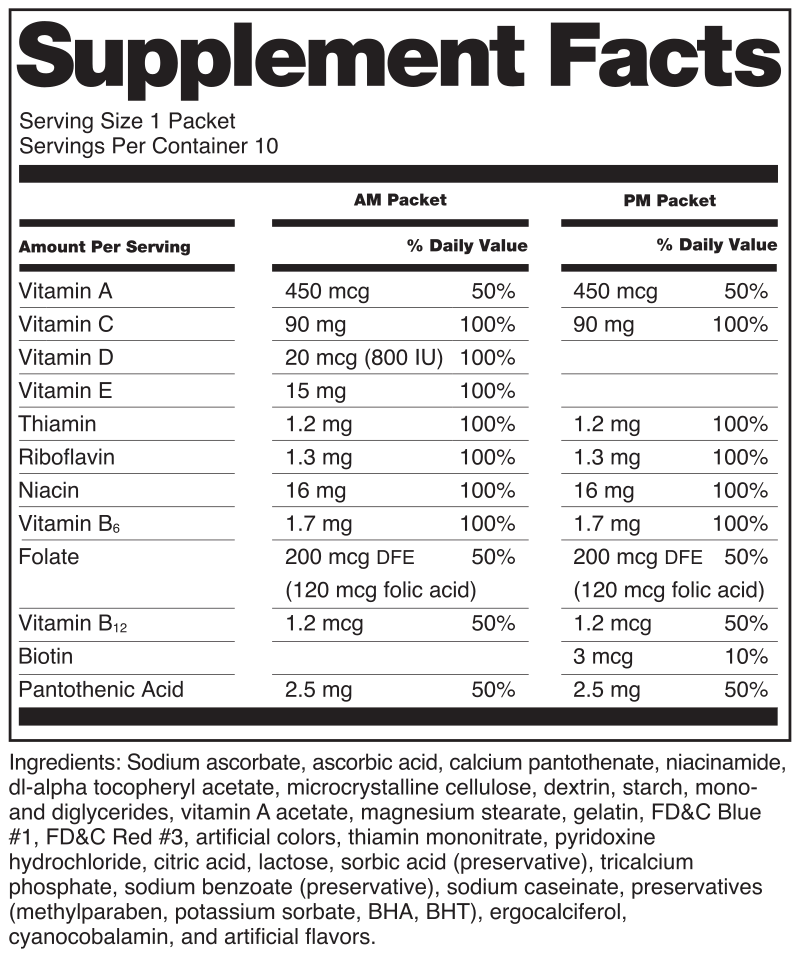
The FDA sets Daily Values for use on Nutrition Facts and Supplement Facts labels. The percentage tells how much one labeled serving contributes to that reference amount. It is most helpful for side-by-side comparison, provided the serving sizes are comparable. A product can look modest per capsule but recommend several capsules per serving.
Daily Values are designed for labels, not as personalized prescriptions. They generally do not change with age, sex, pregnancy, health conditions or laboratory results. A pregnant adult, a child and an older adult can have different needs even though products display the same label reference.
RDA, AI and the goal of adequacy
The National Academies' Dietary Reference Intakes include RDAs and AIs. An RDA is set to meet the needs of nearly all healthy people in a life-stage and sex group. An AI is used when evidence is not strong enough to establish an RDA. Both refer to usual intake from food, drinks and supplements combined—not necessarily the amount to take from a bottle.
That total-intake view matters. Someone who regularly eats fortified cereal, drinks a fortified beverage and takes a multivitamin may already be getting the same nutrient from three places. A supplement-only calculation can miss that overlap.
The Upper Limit is a guardrail, not a target
The UL is the highest average daily intake unlikely to pose risk for most people in the specified group. It is not a recommended goal. Some ULs count all sources, while others apply only to supplements and fortified foods, so the nutrient-specific footnote matters. Medical treatment can also use doses above a UL under professional supervision; that does not make the same dose appropriate for self-treatment.
Stacking is the common trap. A multivitamin, an immune blend and a single-nutrient product may each look reasonable alone but add up quickly. Check repeated nutrients, multiply by the actual daily servings, and include fortified foods before deciding the total is low or high.
A practical label-reading routine
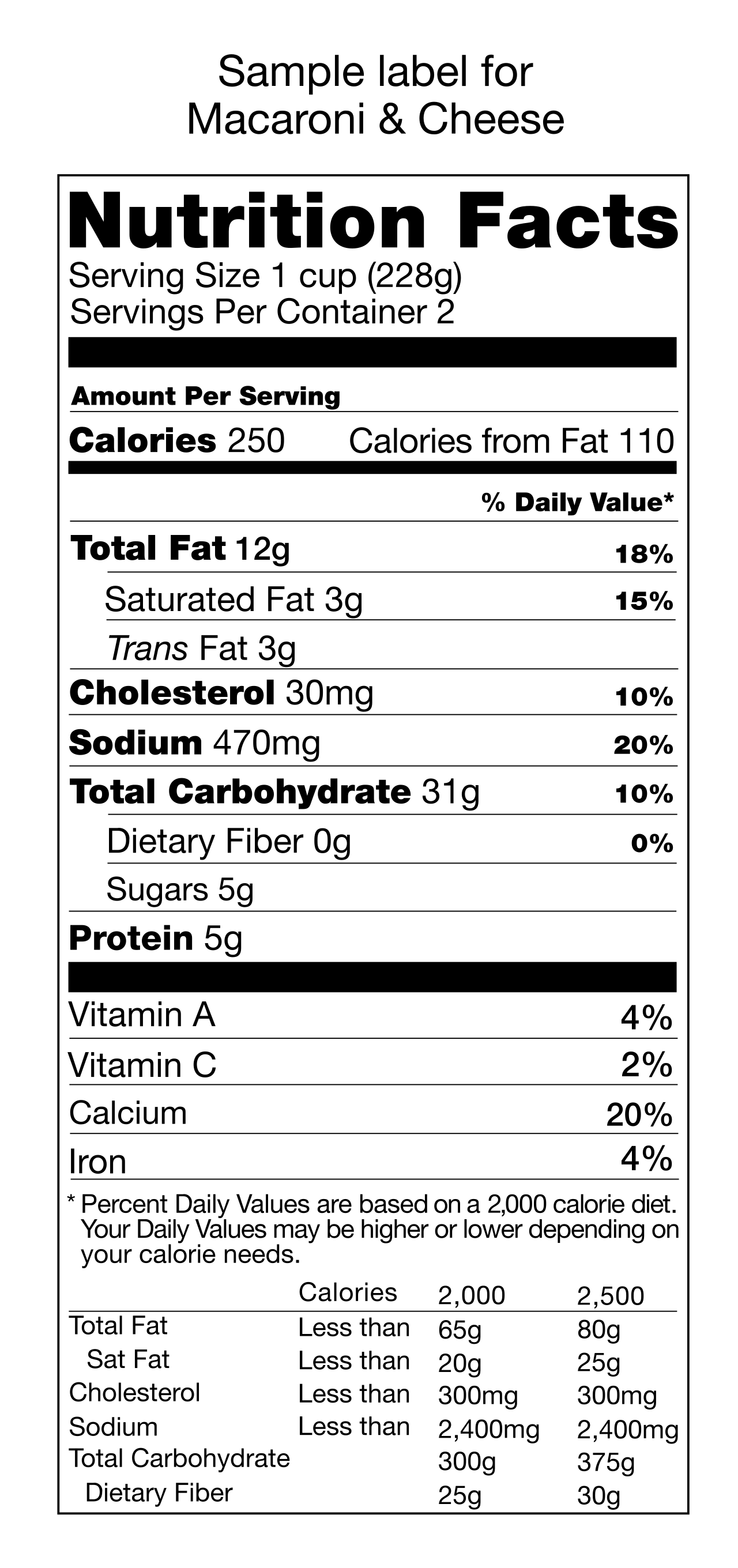
Start with serving size, then scan % Daily Value and the amount in milligrams or micrograms. Compare the amount with the RDA or AI for your life stage and with the applicable UL. Pay special attention to nutrients that can cause problems at high supplemental intakes, and ask a pharmacist about interactions with medicines.
Finally, treat front-label claims as marketing, not dosage guidance. Recent experiments show that supplement wording can shape how consumers perceive benefits. The back panel, your total diet and your health context are better decision tools. If a deficiency is suspected, testing and clinical advice are more informative than choosing the largest percentage on the shelf.
A worked example makes the math clearer
Imagine a multivitamin provides 100% DV of zinc and an immune product adds another 200% DV. A separate zinc lozenge used every day adds still more. The label percentages make the overlap visible, but the final safety check uses the actual milligrams and the age-specific UL. The same process works for vitamin A, niacin, folic acid and other nutrients that appear in several products.
Keep a one-page list with each product, serving size and daily amount. Update it when a product changes, because reformulations can alter totals. A clinician may intentionally recommend a different amount for a diagnosed problem, but that plan should include a reason, a duration and follow-up. The label is a starting map; individual care supplies the destination.