Beetroot and Blood Pressure: A Nitrate-Focused Evidence Guide
Beetroot may modestly lower office systolic blood pressure in some adults, but nitrate dose, measurement method and medication safety matter.

Beetroot research is mainly nitrate research: look for a disclosed nitrate dose, expect variable responses and never replace prescribed blood-pressure care.
The promising part of beetroot is its nitrate
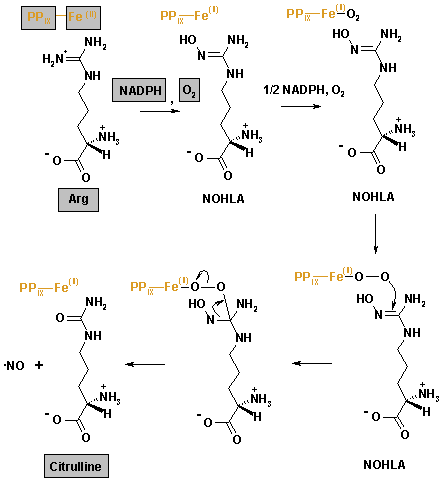
Beetroot has earned attention because dietary nitrate can be converted to nitrite and then nitric oxide, a signaling molecule that helps blood vessels relax. That pathway offers a plausible reason blood pressure could fall after a nitrate-rich beetroot product.
But beetroot is not one standardized dose. Juice, shots, powders and capsules can contain very different amounts of nitrate. Processing, storage and the beet variety also matter. Research on a nitrate-rich juice cannot automatically validate a capsule that lists only milligrams of beetroot.
What the recent evidence suggests
A 2024 systematic review and meta-analysis in adults with hypertension found that beetroot juice reduced clinic systolic blood pressure by about 5 mm Hg on average compared with control. The evidence was rated low certainty, and the analysis did not find a clear benefit for 24-hour systolic pressure or diastolic pressure.
That distinction is important. A clinic reading is a useful snapshot, while ambulatory monitoring captures day and night. A modest pooled change can also hide people who respond more, less or not at all.
Individuals do not respond the same way
A 2025 replicated crossover trial compared nitrate-rich beetroot juice with nitrate-depleted placebo and documented substantial person-to-person variation. Oral bacteria, usual diet, age, health status and baseline blood pressure may all influence the nitrate-to-nitric-oxide pathway.
Antibacterial mouthwash may reduce the oral conversion of nitrate to nitrite, although that does not mean anyone should stop prescribed dental care. It means the biological pathway is more complicated than swallowing a red powder and expecting a fixed number.
How to read a beetroot product label
VitaVein is sold as a beetroot capsule for heart and circulation support. That makes one label question especially useful: does the product disclose nitrate, not just beetroot weight? A beetroot amount is not a nitrate dose, and research on nitrate-rich juice cannot be treated as a finished-product trial of this capsule.
Check the serving size, nitrate amount if provided and any added ingredients. Independent testing can strengthen confidence in identity and contaminants, but it still does not prove a blood-pressure effect. Powders and concentrated shots may also contribute carbohydrate or sodium, depending on the formula.
Use beetroot as an add-on, not a substitute
Do not stop blood-pressure medicine to try a supplement. Combining beetroot with antihypertensive drugs could add to blood-pressure lowering, so dizziness, faintness or unusually low readings deserve attention. People with kidney disease, a history of kidney stones, pregnancy or complex medication lists should ask a clinician before regular concentrated use.
If you try it, keep the rest of the routine stable and measure blood pressure correctly at home. Use a validated upper-arm cuff, sit quietly, take repeated readings and share the log with your clinician. The useful question is not whether beetroot is “good for circulation,” but whether a known dose adds a safe, measurable benefit for you.
A short home trial needs good measurement
With clinician agreement, choose one consistent product and avoid changing exercise, caffeine or medication at the same time. Measure at similar times with the correct cuff size, feet flat and arm supported. Two readings morning and evening over several days are more informative than repeatedly checking after one dose. Record symptoms as well as numbers.
Red urine or stool can occur after beetroot and is often harmless, but blood should never be dismissed as a supplement effect without appropriate evaluation. Stop and get advice for fainting, worsening dizziness or concerning symptoms. A personal log can show whether the promising average from a study becomes a meaningful, tolerable change in real life.
Beetroot can complement—not replace—the measures with the strongest track record: prescribed medication when needed, a dietary pattern rich in plants, lower excess sodium, regular activity, adequate sleep and limited alcohol. Those steps can be less marketable than a concentrated shot, but they address cardiovascular risk broadly. Use a supplement decision to support the plan, not to distract from it.