Calcium Supplements and Kidney Stones: Food, Timing and Total Intake
Calcium from food and calcium supplements do not affect kidney-stone risk in the same way. Timing with meals and total intake matter.
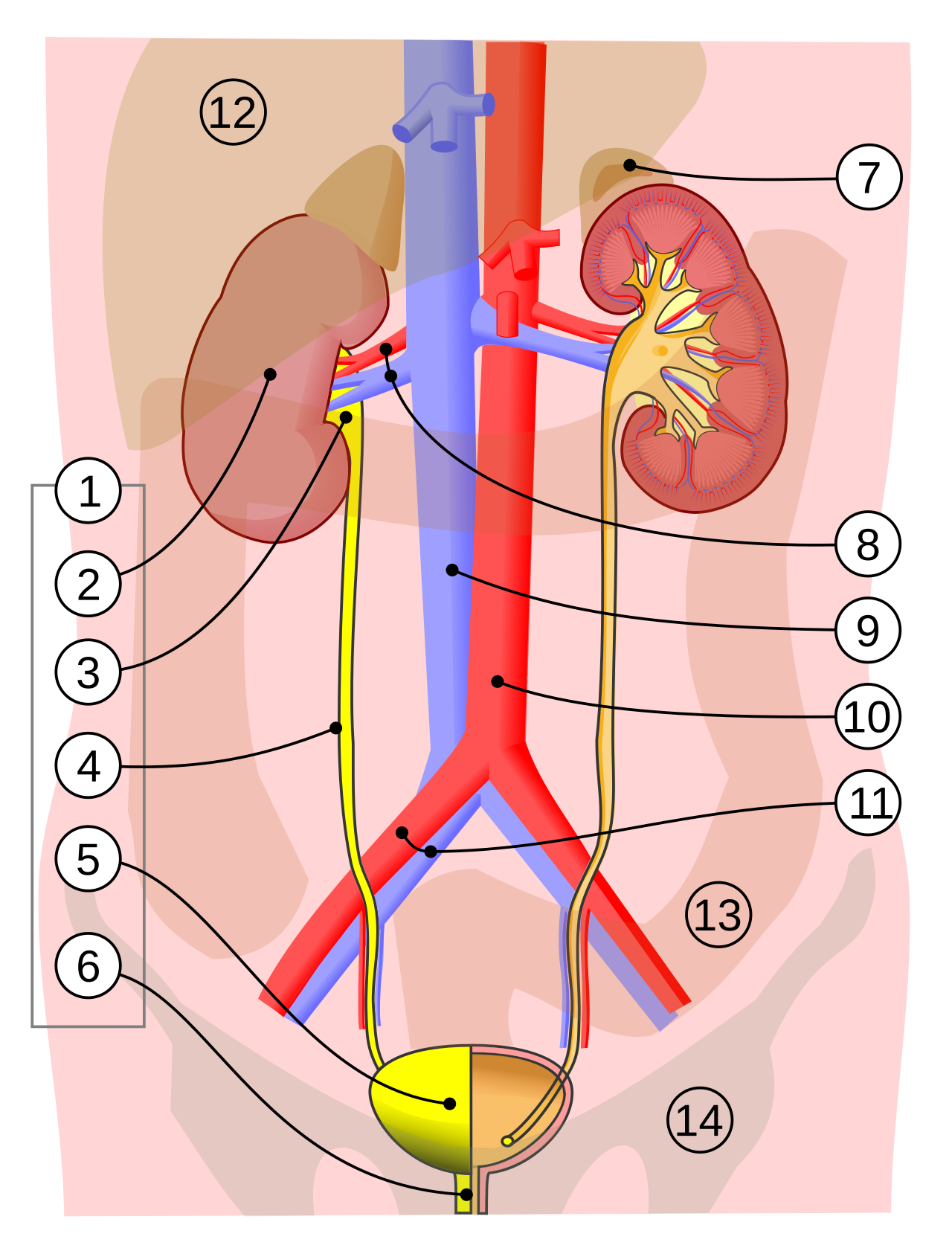
Do not slash food calcium after a calcium-oxalate stone; use supplements only to fill a real gap and, when advised, take them with meals that contain oxalate.
Calcium is part of the stone—and sometimes part of the prevention plan
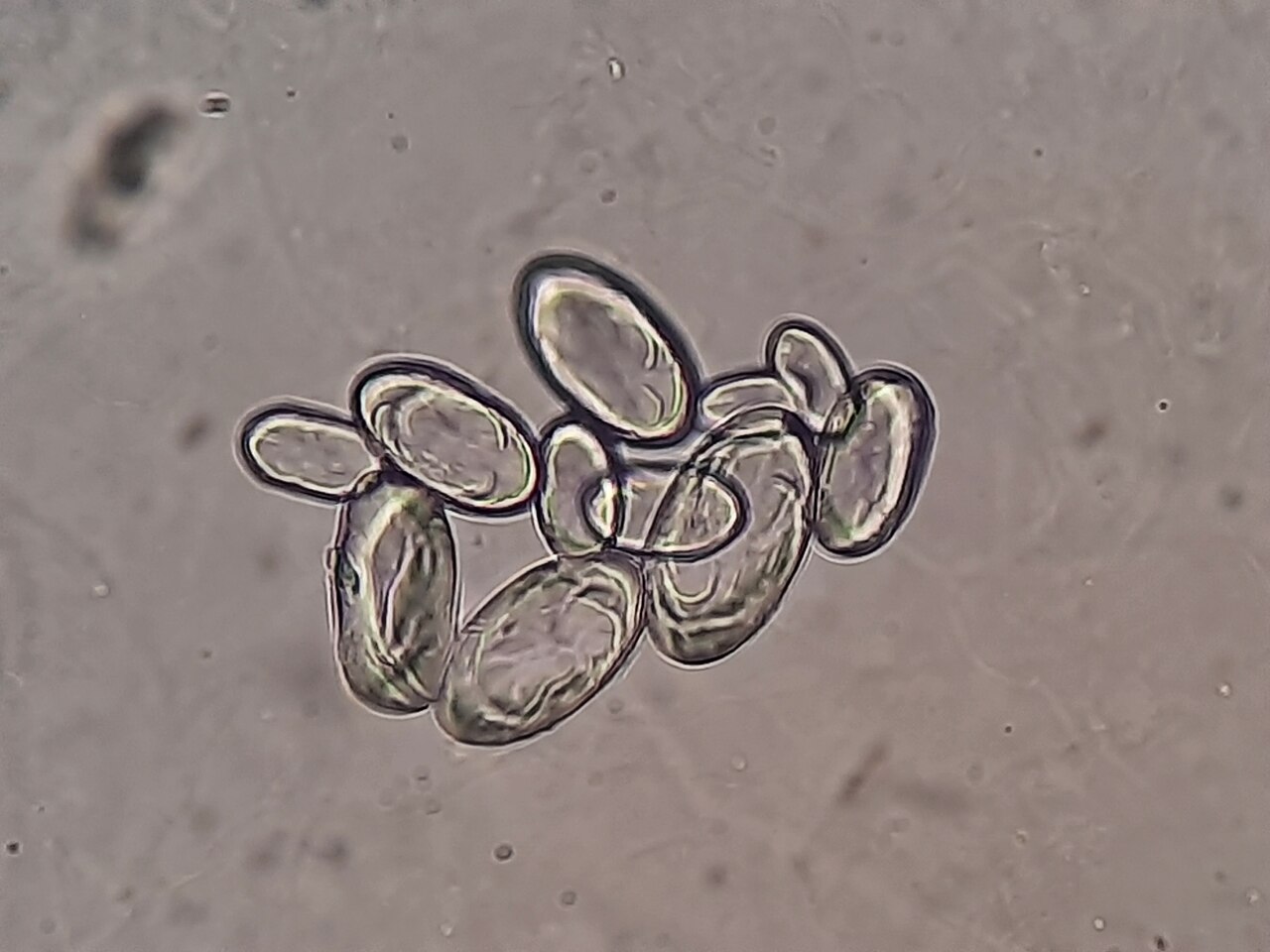
Most kidney stones contain calcium oxalate, so avoiding calcium sounds sensible. In the intestine, however, calcium can bind oxalate and help carry it out in stool. Too little calcium with meals can leave more oxalate available for absorption and later excretion in urine.
Calcium carbonate or citrate can fill a dietary gap, but a pill is not nutritionally identical to calcium spread across food. Dose, timing, sodium intake, fluid, vitamin D, urine chemistry and the cause of the stone all shape the result.
A five-year diet trial favored normal calcium, less salt and protein
In a randomized trial of 120 men with recurrent calcium-oxalate stones and high urinary calcium, a diet with normal calcium plus lower animal protein and salt produced fewer recurrences than a low-calcium diet over five years. Urinary oxalate rose in the low-calcium group but fell in the normal-calcium group.
The trial tested a full dietary pattern, not a calcium capsule. It supports keeping appropriate food calcium while addressing sodium and animal protein in selected stone formers. Phosphorus additives and kidney disease are a separate mineral-label concern, while a 24-hour urine collection can show which stone factor deserves priority.
Supplement trials provide a caution signal
In the Women’s Health Initiative trial, postmenopausal participants assigned calcium carbonate plus vitamin D had a 17% higher incidence of urinary-tract stones than placebo over about seven years. Many participants also used personal supplements, so total intake and individual risk were important parts of the exposure.
The finding does not mean every calcium supplement causes a stone. It means vitamin D and bone health plans should count diet, fortified foods and every supplement instead of automatically adding a high-dose product. People with a stone history deserve a reasoned target.
Taking calcium with food can change where oxalate meets it
When a clinician recommends calcium to help bind dietary oxalate, it is usually taken with the relevant meal rather than at bedtime on an empty stomach. Calcium citrate may also add citrate, while carbonate supplies more elemental calcium per tablet and is generally taken with food for absorption.
Vitamin K2 for bones is a separate evidence question and does not cancel stone-risk planning. Calcium form and dose may be procedure-specific, and stone risk can rise through increased oxalate absorption after digestive surgery. Do not borrow a general bone-health schedule when a kidney-stone team has provided a different plan.
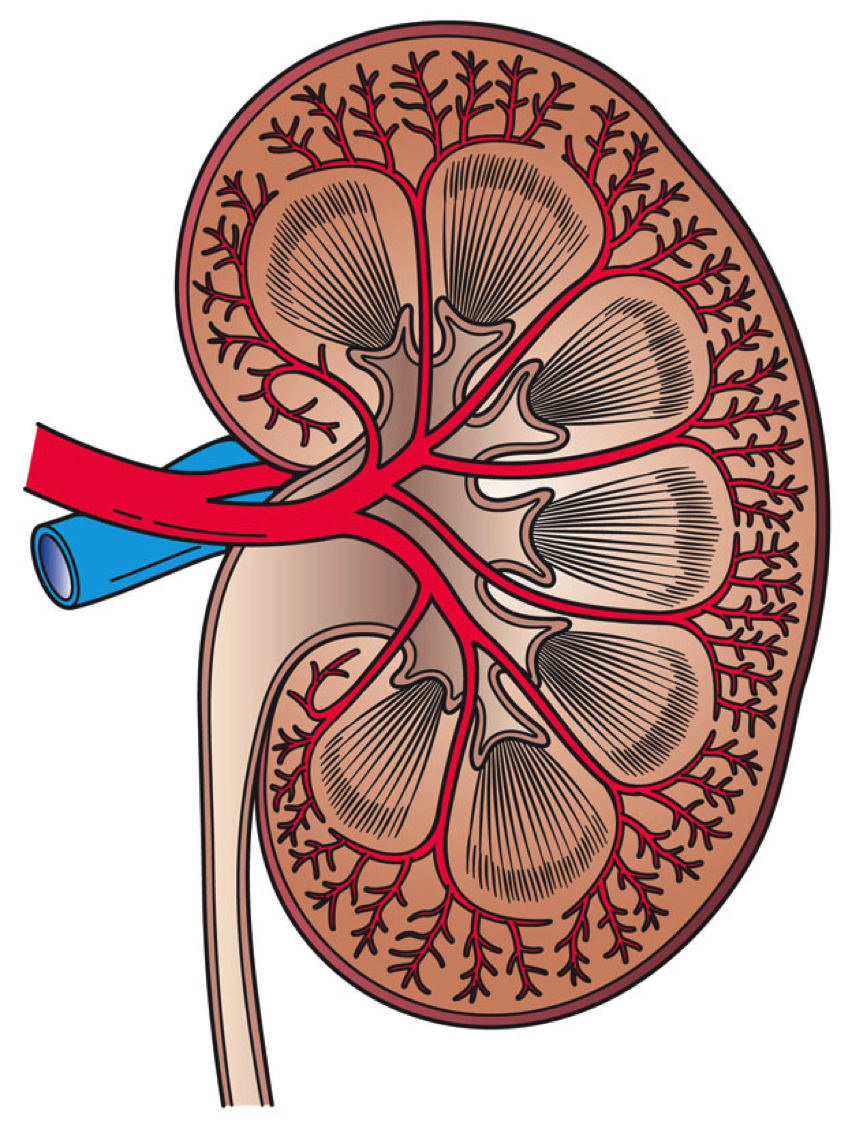
Build prevention around the urine profile
Drink enough fluid to produce the urine volume recommended by the treating clinician, limit excess sodium and avoid extreme dietary restriction. Potassium supplements and salt substitutes also need kidney-aware review when reduced filtration or medicines change potassium handling.
Very large sodium doses can work against a lower-sodium stone-prevention plan. Seek prompt care for severe side or back pain, fever, vomiting, difficulty urinating or blood in urine. For prevention, identify the stone type, review supplements and repeat urine testing when advised. The goal is adequate calcium in the right context.
Supplements can change a 24-hour urine result
Tell the stone clinic the exact calcium, vitamin D, vitamin C and mineral doses used when the urine collection is performed. A sample collected during an unusual diet or after stopping every supplement may not represent ordinary exposure. Follow the collection instructions and record missed containers, illness or major changes in food and fluid.
The resulting profile can guide a more precise plan: more fluid, less sodium, normal food calcium, lower high-oxalate exposure, added citrate or medicine when appropriate. Repeat testing can show whether the change affected urine chemistry. Prevention is strongest when it targets the measured driver rather than treating every calcium stone with the same restriction.
Calcium intake still matters for bone, so stone prevention should not create a new deficiency. A dietitian can estimate food calcium and identify high-oxalate pairings without banning entire food groups. If a supplement is needed, choose the smallest amount that reaches the agreed target and keep the timing consistent enough for follow-up testing to be meaningful.