Hair Supplements vs. Finasteride for Male Pattern Hair Loss
Hair supplements and prescription finasteride are not equivalent. One corrects nutrient gaps; the other targets androgen-driven hair loss.
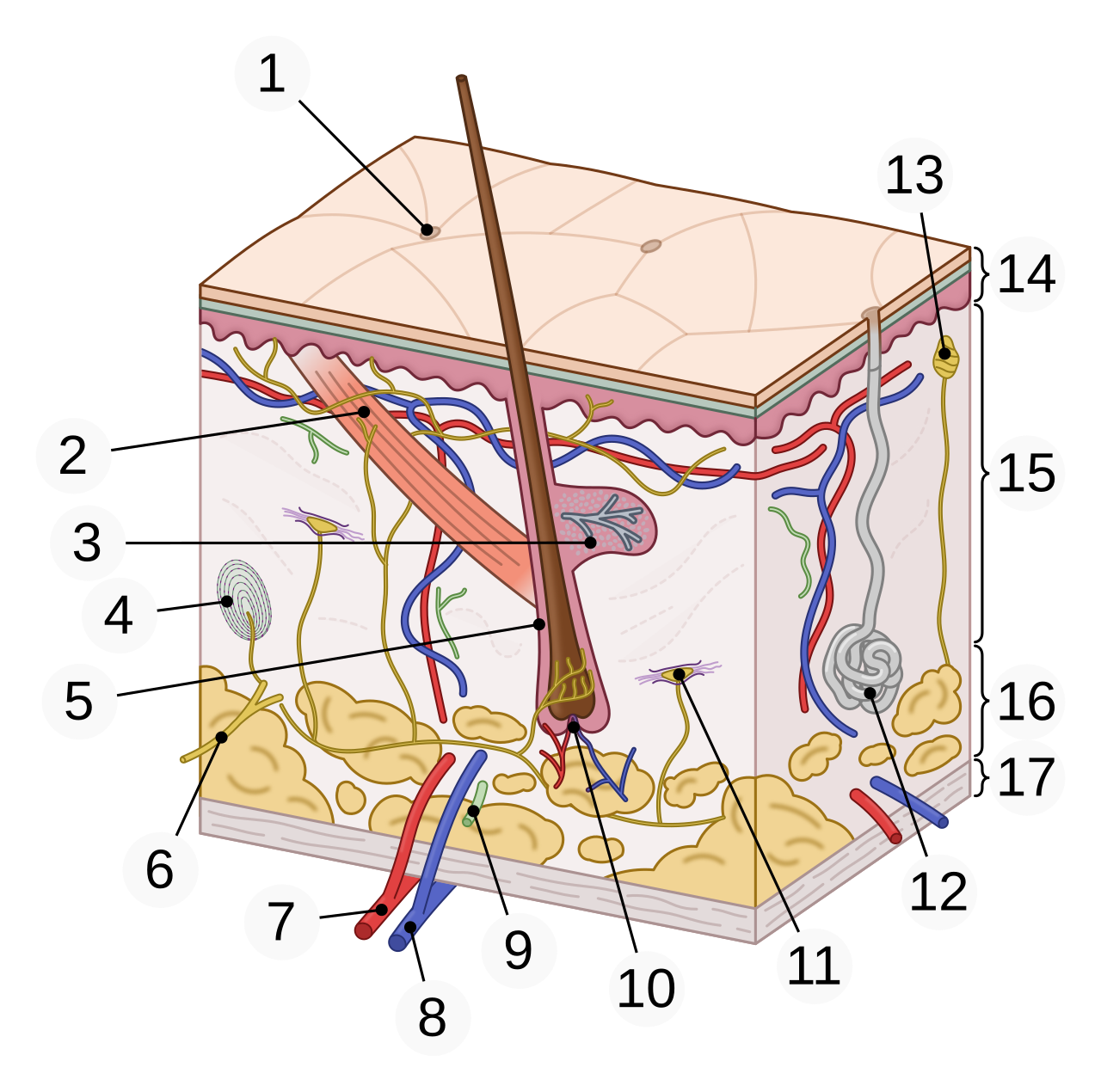
Supplements can correct a real nutrient deficiency, while finasteride has randomized-trial evidence for androgenetic hair loss; the two approaches answer different problems.
A vitamin and a prescription drug do not target the same problem
Male pattern hair loss is driven largely by genetics and androgen signaling at susceptible follicles. A supplement may help when low iron, zinc or another deficiency contributes to shedding, but adding nutrients above adequate intake does not switch off the androgen pathway.
Biotin for hair and nails is a useful example: deficiency is uncommon, benefit in otherwise healthy people is not established, and high doses can interfere with laboratory tests. A deficiency workup and a pattern-hair-loss assessment are different clinical tasks.
Finasteride has direct randomized-trial evidence
Two one-year randomized trials in 1,553 men found oral finasteride 1 mg improved hair-count and clinical assessments compared with placebo, with benefits maintained during extension treatment. A separate two-year trial in men ages 41 to 60 also found improved hair growth and slowed progression.
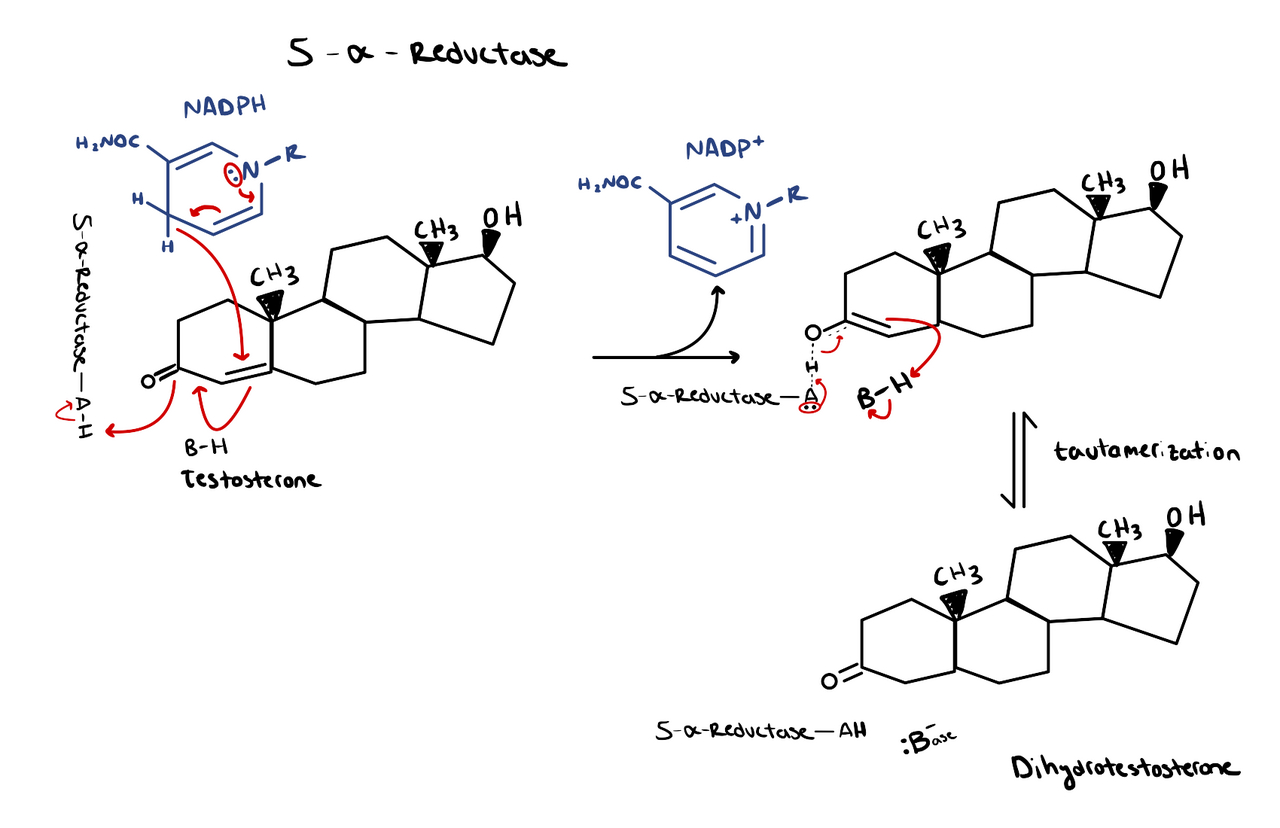
Finasteride inhibits type II 5-alpha-reductase and lowers conversion of testosterone to dihydrotestosterone. It is an FDA-approved prescription treatment for male pattern hair loss in men. Iron and fatigue testing can also reveal a deficiency that belongs in a separate plan. That is different from citing a nutrient’s role in normal hair biology.
Supplements are most useful when a gap is documented
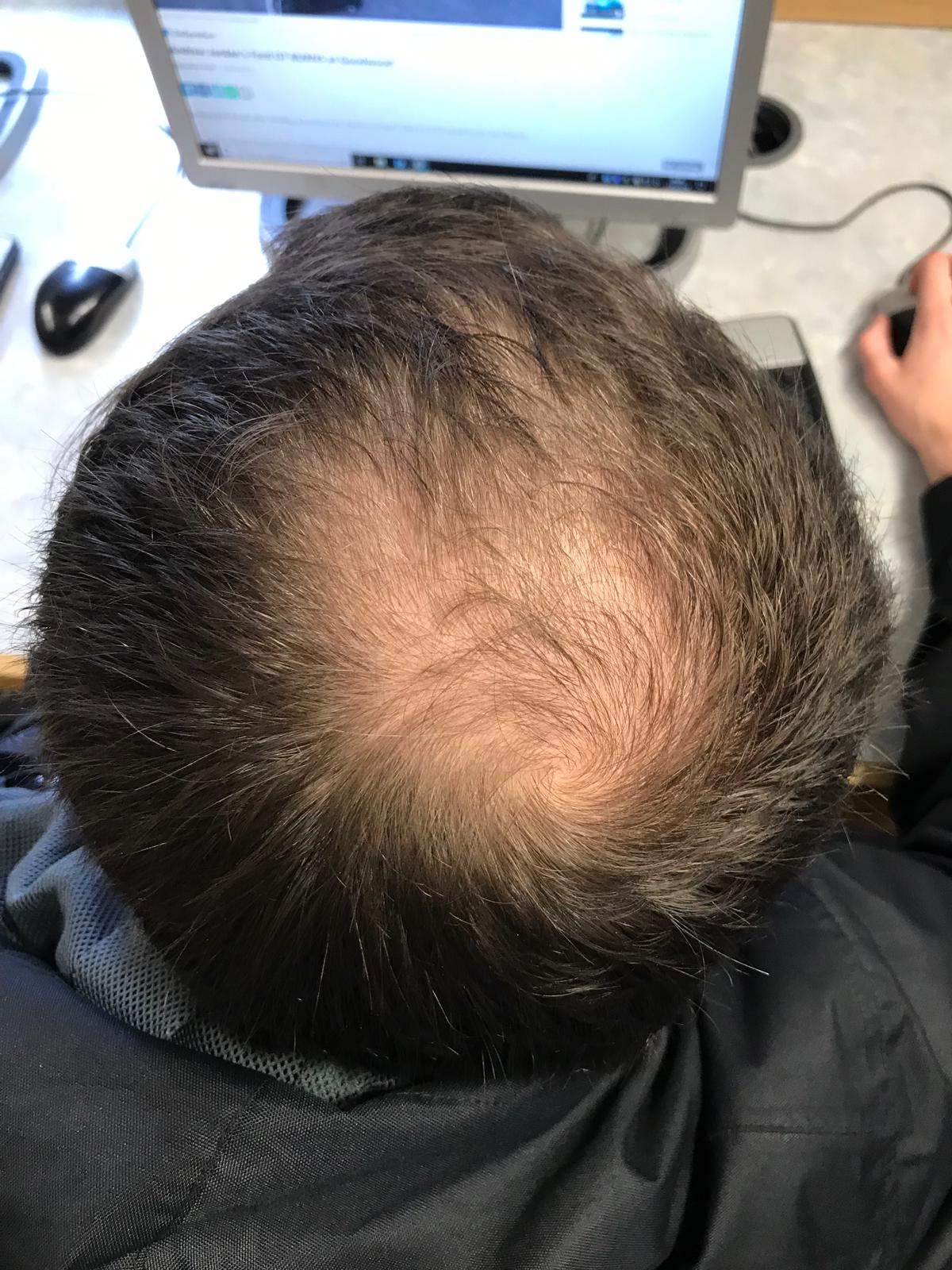
Diffuse shedding can follow illness, rapid weight loss, restrictive eating, thyroid disease or low iron stores. Testing should follow the history rather than a fixed panel for everyone. Selenium supplements can cause hair loss when intake becomes excessive, which is a reminder that more of a hair nutrient can backfire.
Multi-ingredient formulas may combine botanicals, vitamins and minerals. A Nutrafol Men review or Viviscal Man review can clarify the exact formula and studies, but finished-product evidence should not be substituted with unrelated ingredient research.
Finasteride requires a real benefits-and-risks discussion
Possible adverse effects include reduced libido, erectile or ejaculatory symptoms, breast changes and mood concerns. Not every user experiences them, but they belong in informed consent. Finasteride also lowers PSA, which clinicians must account for when interpreting prostate screening.
Total Male Rx currently offers oral finasteride 1 mg for eligible men through an online questionnaire and review by a U.S.-licensed clinician. It is a prescription pathway, not a supplement sale or guaranteed prescription. Users should disclose medicines, medical history, fertility concerns and adverse effects, and follow the prescriber’s instructions.
Start by naming the hair-loss pattern
A receding hairline or crown thinning over years suggests androgenetic loss, while sudden patches, scalp inflammation or rapid diffuse shedding can point elsewhere. A Viviscal Man review can describe that product, while a clinician can examine the scalp and decide whether tests, minoxidil, finasteride or another approach fits.
Take baseline photographs in consistent lighting and judge changes over months, not days. Avoid stacking several products at once. Third-party supplement testing can address identity, not prove hair growth. The practical choice is matching a verified problem to an intervention with relevant evidence.
Response timelines protect against false conclusions
Hair cycles are slow, and increased shedding can occur before visible stabilization. A treatment should be judged on the schedule used in its evidence and with consistent photographs, not by counting hairs in the shower for a week. Stopping and restarting repeatedly can make the pattern harder to interpret and may erase gains from an effective treatment.
Finasteride is not used by women who are or may become pregnant, and crushed or broken tablets require special precautions. Men should ask how long treatment is expected, what happens after stopping and how adverse effects will be handled. Supplements also need review dates; an indefinite stack can accumulate excessive nutrients without producing useful hair data.
Minoxidil is another evidence-based option and can be used alone or in a clinician-directed combination, but it has its own instructions and adverse effects. Cosmetic fibers, hairstyles and shorter cuts can also improve appearance while treatment is assessed. Practical camouflage is not a failure; it can reduce pressure to judge a slow biological process too early. Discuss persistent scalp irritation, redness, scaling or sudden shedding rather than guessing at the cause or adding another product.