Molybdenum supplements: an enzyme cofactor without a broad detox mandate
Molybdenum deficiency is extraordinarily rare, supplement forms lack comparative data, and excess can produce gout-like or neurologic effects.
Molybdenum supports several enzymes, but most people receive enough from food and broad detox claims lack clinical outcome evidence.
A trace element with a narrow established role
Molybdenum is incorporated into a cofactor used by sulfite oxidase, xanthine oxidase, aldehyde oxidase, and another mitochondrial enzyme. These pathways process sulfur compounds, purines, aldehydes, and certain drugs. That biology fuels detox and sulfite-sensitivity marketing.
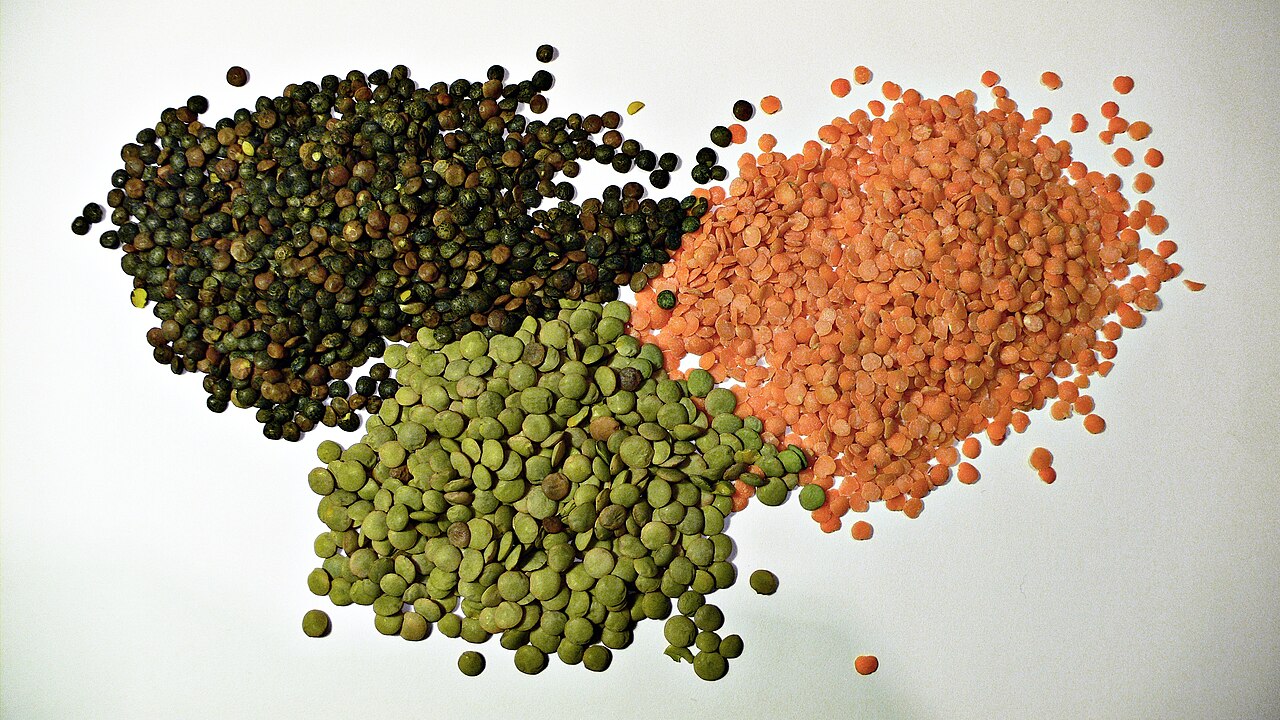
A biochemical pathway is not proof that an extra dose improves symptoms when enzyme function and intake are adequate. Beans, lentils, grains, and organ meats provide molybdenum, with content varying by soil. Deficiency is so rare that routine clinical testing is not generally performed.

Deficiency cases are exceptional
ODS describes one acquired deficiency case in a patient receiving long-term parenteral nutrition without molybdenum. Rare genetic molybdenum cofactor deficiency causes severe neurologic disease beginning in infancy and is not treated by ordinary retail molybdenum because the problem is cofactor synthesis.
These unusual conditions should not be used to imply that fatigue, headaches, or food reactions in a healthy adult reveal molybdenum deficiency. A symptom checklist cannot replace diagnosis of sulfite oxidase disorders, allergy, asthma, or gastrointestinal disease.
Supplement forms have not been compared
Products may use sodium molybdate, molybdenum glycinate, chloride, or amino-acid chelates. ODS notes that studies have not compared their relative bioavailability. Premium-form language therefore reflects formulation theory or marketing, not proven superior clinical outcomes.
Amounts in multivitamins commonly meet or exceed the Daily Value. A separate product can push intake many times higher without a defined benefit. Add micrograms carefully and remember that one milligram equals one thousand micrograms.
Excess evidence is limited but concerning
Very high occupational or dietary exposures have been associated with elevated uric acid and gout-like joint symptoms. A published case report described acute psychiatric and neurologic symptoms after use of a dietary molybdenum supplement, though one case cannot define a universal toxic dose.
Limited evidence led regulators to set an upper intake level using animal and human data with uncertainty factors. That ceiling is not a goal. People with gout, kidney disease, or unexplained neurologic symptoms have little reason to experiment with high-dose molybdenum.

Sulfite claims need diagnosis
Sulfites can trigger respiratory symptoms in susceptible people, particularly some individuals with asthma. Molybdenum-dependent sulfite oxidase processes sulfite inside cells, but supplementation has not been established as a treatment for sulfite sensitivity in people with normal enzyme function.
Avoidance, label awareness, asthma management, and professional evaluation remain more reliable than trying to overwhelm the pathway with a cofactor. Severe breathing difficulty, throat swelling, fainting, or widespread hives requires emergency care, not a mineral capsule.
A restrained label verdict
Ask whether the product addresses a documented deficiency, a rare genetic disorder, or a vague detox promise. Only the first two are concrete medical concepts, and both require clinical management. No human outcome trial shows that routine molybdenum improves generalized detoxification.
A varied diet usually supplies enough. Third-party testing can confirm the labeled element, but it cannot make a speculative use evidence-based. Molybdenum is nutritionally essential and commercially easy to oversell precisely because its enzyme names sound technical and important.
Applying the evidence
Molybdenum also interacts with copper in animal nutrition, where high molybdenum plus sulfur can produce copper deficiency. Human relevance at ordinary intakes is less clear, but extreme multi-mineral regimens can create imbalances that single-nutrient marketing ignores. Adding copper to compensate would create another unsupervised experiment.
Laboratory molybdenum testing is not a routine wellness screen. Reference ranges, specimen contamination, recent intake, and occupational exposure complicate interpretation. Hair-mineral analysis is especially poor at diagnosing a need for supplementation. When exposure is suspected, occupational medicine or toxicology guidance is more appropriate than a detox protocol sold by the testing company.
Sulfite sensitivity is different from sulfur allergy, sulfonamide-drug allergy, and sulfate intolerance. Similar words encourage incorrect self-diagnosis and unnecessary food restriction. A clinician or allergist can distinguish respiratory reactions, food intolerance, and medication allergy. Molybdenum marketing often benefits from this confusion without providing diagnostic evidence.
Sources & further reading
This article is educational and does not diagnose, treat, or replace individual medical advice. Ask a qualified clinician or pharmacist about symptoms, medical conditions, and possible interactions before using supplements.