Daily Vitamin D vs. Bolus Doses: What Fall Trials Show
Large vitamin D trials do not show that high daily or monthly doses prevent falls in generally sufficient older adults.
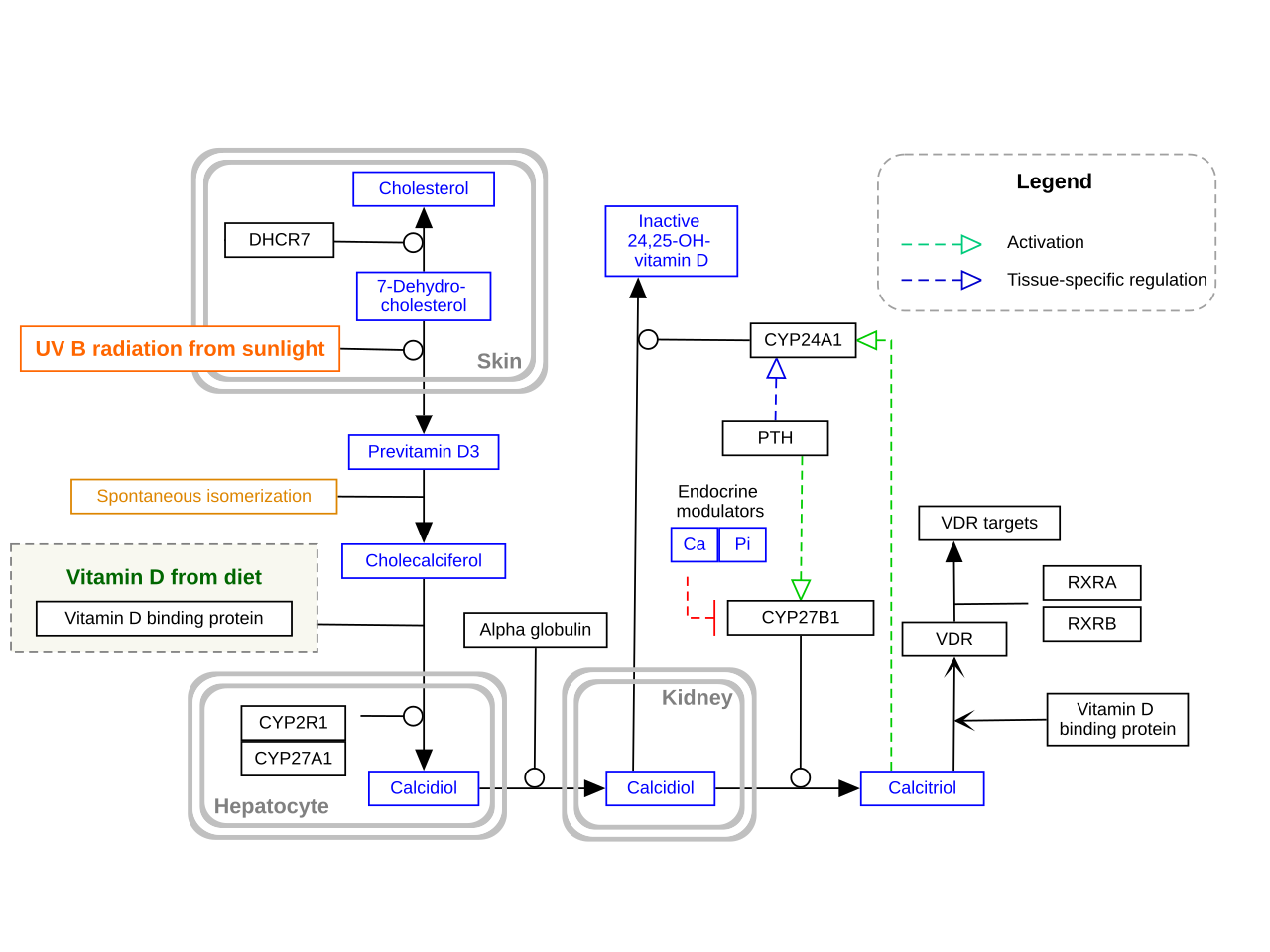
For generally vitamin-D-sufficient older adults, larger daily or monthly doses have not reliably prevented falls; correct deficiency without treating more as automatically better.
A bigger vitamin D dose is not a steadier safety net
Vitamin D helps the body absorb calcium and supports muscle and bone function, so it sounds logical that more vitamin D should mean fewer falls. Large trials have tested that idea. The practical result is less exciting but more useful: in older adults who were mostly vitamin-D sufficient, high daily or intermittent doses did not reliably prevent falls.
This does not erase the role of vitamin D and bone health. It separates treatment of deficiency from mass supplementation. A person with low vitamin D, malabsorption or osteoporosis may need a clinician-directed plan; that is a different question from giving high doses to everyone hoping for extra fall protection.
Daily dosing did not cut falls in a five-year trial
The Finnish Vitamin D Trial randomly assigned 2,495 adults age 60 or older to placebo, 1,600 IU daily or 3,200 IU daily for five years. Participants were generally healthy and largely vitamin-D sufficient. Neither supplemental dose reduced falls or fall-related injuries compared with placebo.
The finding matters because daily dosing produces a steadier exposure than a large occasional dose. It also limits the conclusion: the study was not a trial of treating severe deficiency. Niacin for cholesterol offers another example of a vitamin dose not guaranteeing a clinical outcome. Use measured status and context when deficiency is suspected.
Monthly boluses did not solve the problem
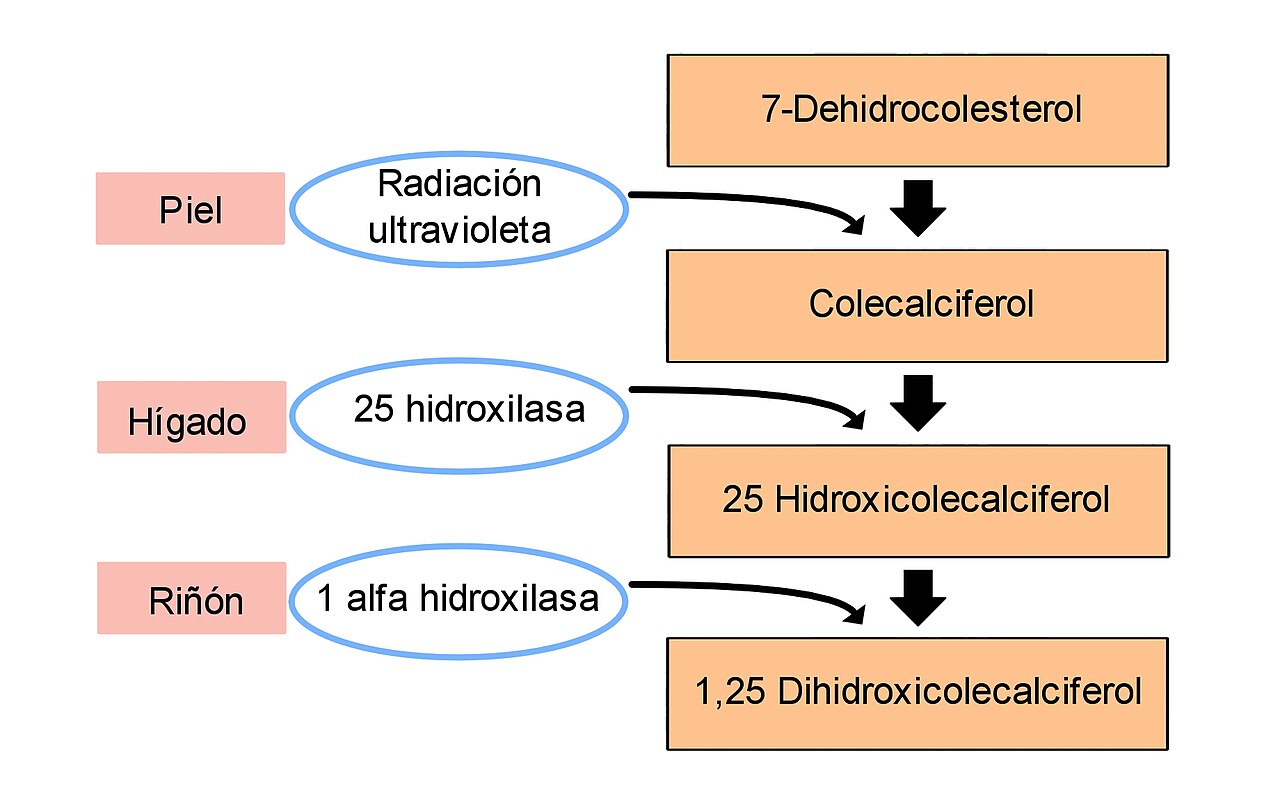
In the D-Health Trial, more than 21,000 older Australian adults received 60,000 IU vitamin D3 or placebo once a month. Vitamin D did not reduce the overall risk or rate of falls. A subgroup signal suggested more falls among participants with normal body mass index, which is a reason for caution rather than proof of harm for every person.
A monthly capsule can be convenient, but convenience does not make a bolus biologically identical to a modest daily dose. The body experiences a higher peak followed by a decline. The results also warn against assuming that vitamin patches or other novel delivery formats improve outcomes without direct human evidence.
Baseline status changes the question
Trials dominated by sufficient participants may show little room for improvement. People after bariatric surgery, those with little sun exposure, and people with malabsorption or certain bone conditions can have different needs. Testing is not required for every healthy adult, but it can be appropriate when risk, symptoms or treatment decisions make the result actionable.
Falls also have many causes: balance, vision, sedating medicines, blood-pressure drops, footwear, home hazards and muscle weakness. Multivitamins and memory research asks a different aging question and does not prove fall prevention. Vitamin D cannot substitute for strength and balance work, medication review, eye care or a home-safety assessment.
Choose a dose with a reason and a review point
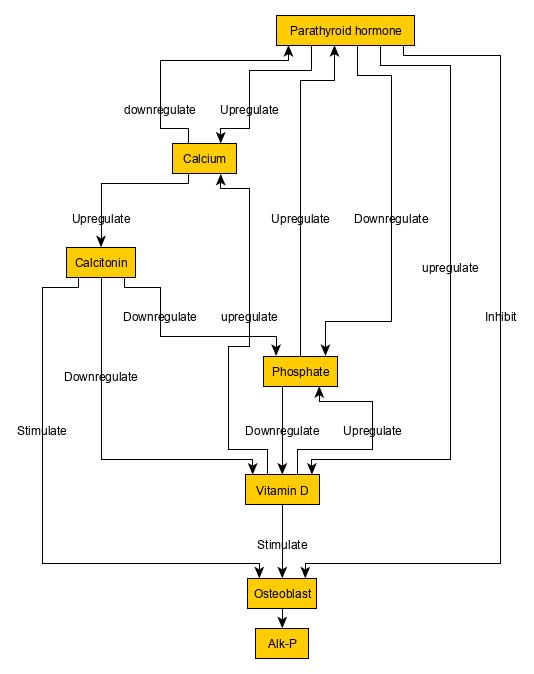
Add vitamin D from food, fortified products and supplements before choosing a dose. Avoid stacking a multivitamin, bone formula and stand-alone D product without calculating the total. The supplement-facts distinction between an RDA, Daily Value and Upper Limit helps explain why a large label percentage is not a benefit score.
If a clinician recommends treatment, ask what level or risk factor the dose targets and when it should be reassessed. Report new weakness, falls or symptoms rather than simply increasing the amount. The clearest lesson from the fall trials is that correcting a real gap is sensible; chasing a pharmacologic effect with ever-larger doses is not.
What to bring to a fall-risk visit
Bring the exact vitamin D bottle, current daily total, recent laboratory results and a list of every fall or near-fall. Note whether an event followed standing up, a medicine change, poor sleep or a trip hazard. That detail helps separate balance problems from blood-pressure drops, vision issues and environmental causes that a nutrient dose cannot correct.
Ask whether calcium intake, kidney function, osteoporosis treatment or strength training should change alongside vitamin D. A clinician may recommend a modest maintenance dose, a time-limited deficiency regimen or no additional supplement. The decision should end with a follow-up point, not an open-ended assumption that a large dose remains useful forever.