Oral, Sublingual or Injection B12? A Deficiency Treatment Guide
Oral, sublingual and injected vitamin B12 can all raise levels, but the cause and severity of deficiency should guide the route.
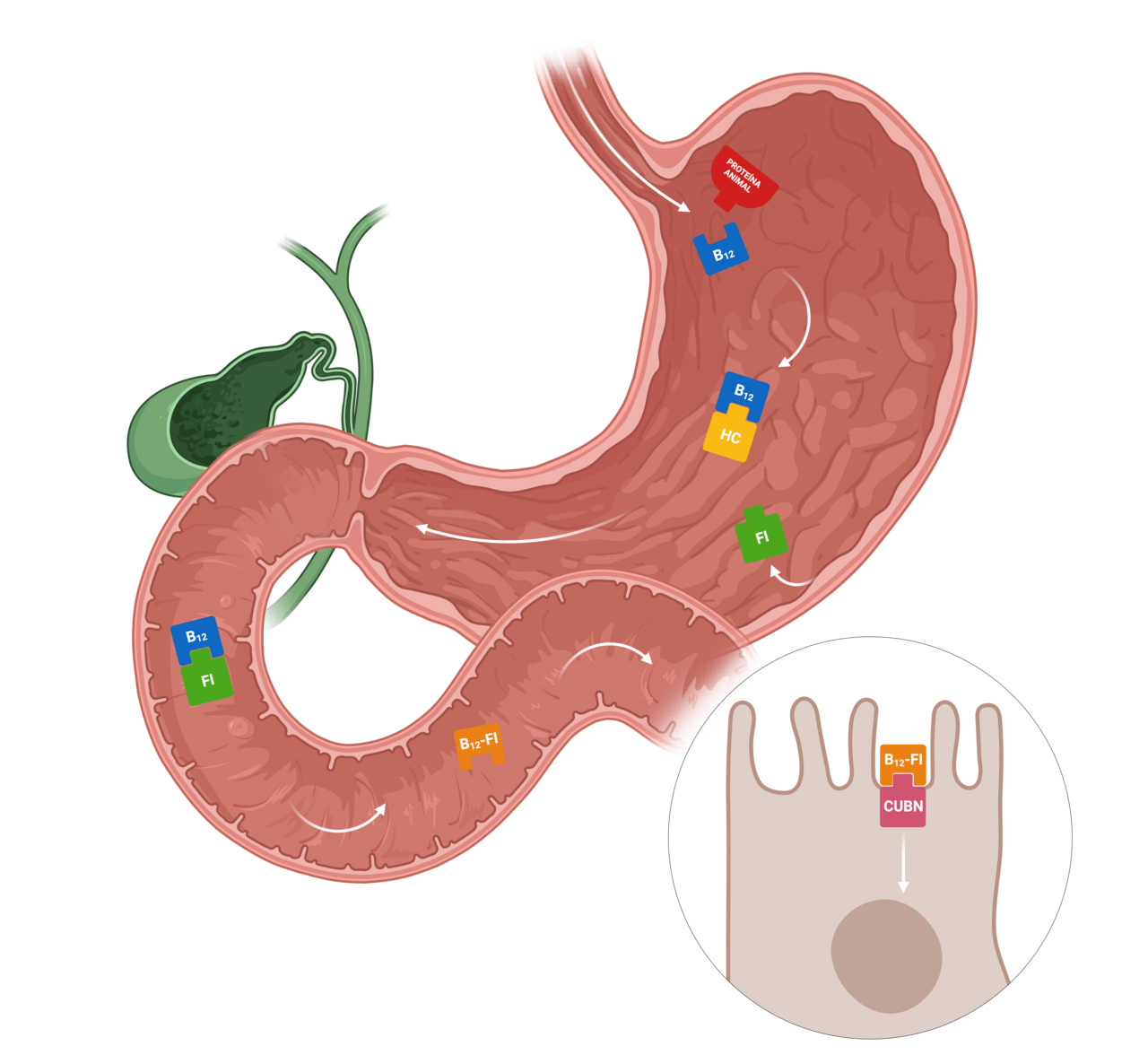
High-dose oral B12 can work for many people, while injections remain important when symptoms are severe, absorption is unreliable or adherence needs close supervision.
The best B12 route depends on why levels are low
Vitamin B12 deficiency can affect blood cells, balance, memory and nerves. The fastest-looking product is not automatically the right answer. Food intake, pernicious anemia, stomach or bowel surgery, metformin, acid-suppressing medicine and other causes change whether an oral tablet, sublingual product or injection makes sense.
That is why vitamin B12 for energy is a narrow claim. B12 treatment can help a person who is deficient, but taking more does not act like a stimulant in someone with adequate status. Diagnosis should include the laboratory pattern, symptoms and likely cause.
High-dose oral B12 can bypass part of the absorption problem
Most B12 is absorbed through intrinsic factor, but a small fraction can cross the intestine by passive diffusion. High oral doses use that backup route. In the randomized OB12 trial, oral and intramuscular treatment produced very high short-term normalization rates in adults 65 or older, although the longer-term comparison was less certain.
Oral treatment is inexpensive and avoids needles, but it must be taken consistently. A vegan supplement plan can prevent dietary deficiency when it supplies a dependable amount. Copper deficiency can also affect blood and nerves, so testing should follow the whole pattern. Prevention is different from treating severe anemia.
Sublingual B12 has not proved universally superior
Sublingual tablets dissolve under the tongue and are marketed as bypassing digestion. A small randomized study found oral and sublingual B12 both raised concentrations over four weeks, without a clear advantage for the sublingual route. Another trial in people using metformin found sublingual and intramuscular approaches could both improve B12 status.
Dissolving under the tongue may be easier for someone who dislikes swallowing. It does not guarantee that the full dose enters directly through oral tissue; some is swallowed. Vitamin B6 and neuropathy are another reminder that both deficiency and excess can affect nerves, while measured human results should guide the actual format.
Injections remain useful when the stakes are high
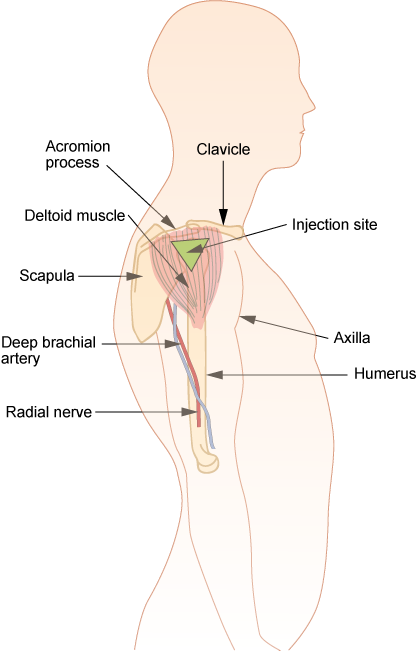
Intramuscular B12 provides a known dose without relying on intestinal absorption. Clinicians often use it for severe deficiency, important neurologic findings, pernicious anemia, unreliable adherence or situations in which a rapid response is preferred. The schedule can be intensive at first and then spaced for maintenance.
People after bariatric surgery may use oral, sublingual or injected B12 depending on the operation, laboratory response and program protocol. Thiamin for energy and nerves is another urgent deficiency concern after prolonged vomiting. Persistent numbness, gait trouble, confusion, marked weakness or shortness of breath should prompt medical evaluation.
Confirm the response instead of guessing
Record the form, dose and frequency, then repeat the tests recommended by the clinician. Serum B12 can be supported by methylmalonic acid or other tests when the picture is unclear. Blood counts may improve before nerve symptoms, and delayed treatment can leave lasting problems.
Do not let a convenient route hide the cause. Pernicious anemia may require lifelong therapy; dietary deficiency needs a reliable intake plan; medicine-related deficiency may need continued monitoring. The practical winner is the route that corrects the deficiency, fits the cause and can be followed consistently.
Medication history can reveal the reason
Metformin and long-term acid-suppressing medicines can be associated with lower B12 status, but do not stop a necessary medicine on your own. The useful response is to document duration, dose, diet and symptoms, then decide with a clinician whether testing or scheduled monitoring is appropriate. Nitrous-oxide exposure can also inactivate B12 and deserves disclosure.
Folate can improve the anemia of B12 deficiency while neurologic injury continues, so taking a broad B-complex is not a substitute for identifying B12 status. Keep laboratory reports and the maintenance plan together. When treatment works, the next question is how to prevent recurrence and how often the underlying cause warrants rechecking.
Older adults should also review appetite, dental problems and use of fortified foods, because several small factors can combine. If injections are chosen, confirm who administers them, how missed doses are handled and when maintenance begins. If oral therapy is chosen, use a simple reminder system and do not switch brands or strengths without updating the recorded dose.