
Vitamins & Minerals
Choline supplements in pregnancy: important nutrient, unsettled cognitive promise
Choline supports fetal development and liver function, but pregnancy trials report mixed child-cognition outcomes and products vary widely.
The evidence behind everyday supplements. Evidence, limitations, and practical questions worth asking.
Direct links to research and public health guidance.
Benefits, uncertainty, and safety in the same story.
Plain-language reporting for everyday decisions.
Choline supports fetal development and liver function, but pregnancy trials report mixed child-cognition outcomes and products vary widely.

Copper is essential, yet both deficiency and accumulation can harm nerves and organs. Supplement decisions need context beyond one lab value.

Molybdenum deficiency is extraordinarily rare, supplement forms lack comparative data, and excess can produce gout-like or neurologic effects.

Vitamin B5 deficiency is rare. Evidence for pantethine, acne blends, and energy claims cannot be treated as interchangeable.

Inorganic phosphate additives are highly absorbable and especially relevant in kidney disease. Ingredient lists reveal what Nutrition Facts may omit.

Rigorous placebo-controlled studies found no meaningful urinary benefit, even at triple the standard saw-palmetto dose.

Baking soda can help some high-intensity efforts, but gastrointestinal distress and sodium load can erase the advantage.

Chromium trials show inconsistent glucose findings and little clinically meaningful weight loss. Product form and baseline status matter.
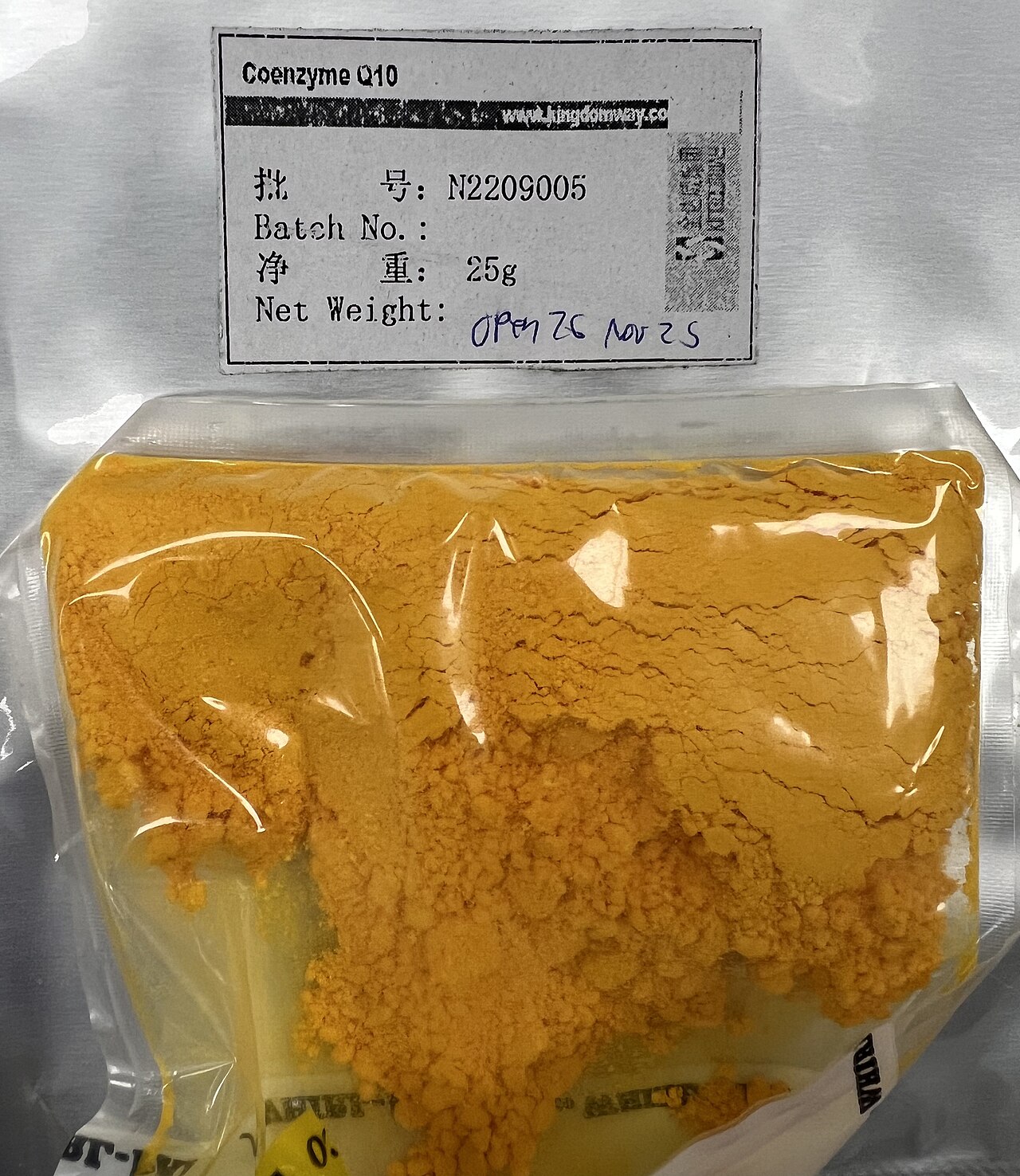
A 2025 meta-analysis found modest pain improvement, while NCCIH says the overall evidence remains unsupportive. Here is how to read the conflict.

GAIT and later trials produced conflicting results. Retail products are not automatically equivalent to pharmaceutical-grade preparations.

Manganese is essential, but deficiency is rare and excess exposure can harm the nervous system, especially with liver disease.

Potassium-rich diets differ from concentrated pills and salt substitutes. Kidney function and medications determine hyperkalemia risk.