Do You Need Vitamin C With Iron? Absorption Science vs. Treatment Results
Vitamin C can increase iron absorption in a meal, but a large treatment trial found oral iron worked just as well without extra vitamin C.
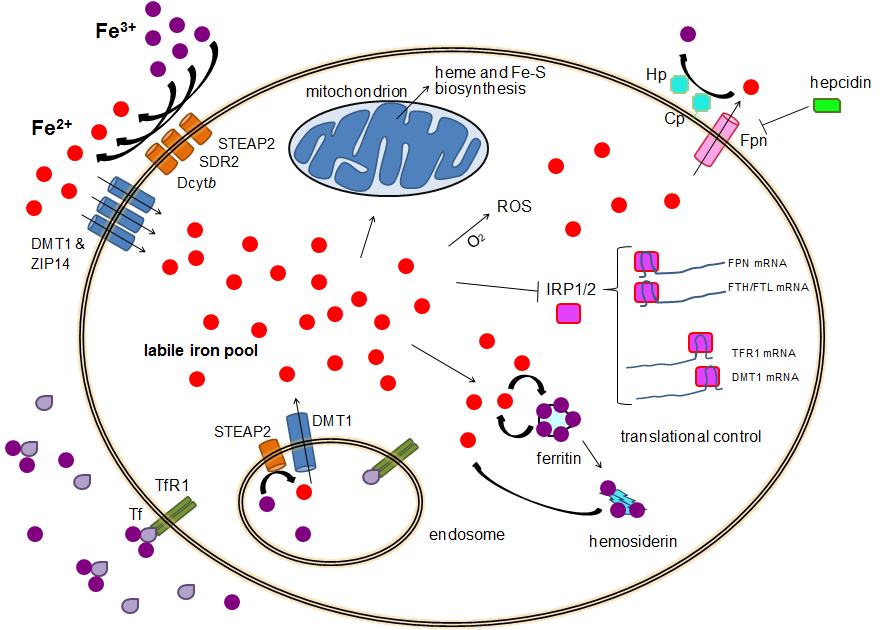
Vitamin C can enhance nonheme iron absorption in controlled meals, but routine extra vitamin C was not necessary for recovery in a large oral-iron anemia trial.
A sound absorption mechanism does not guarantee a better treatment result
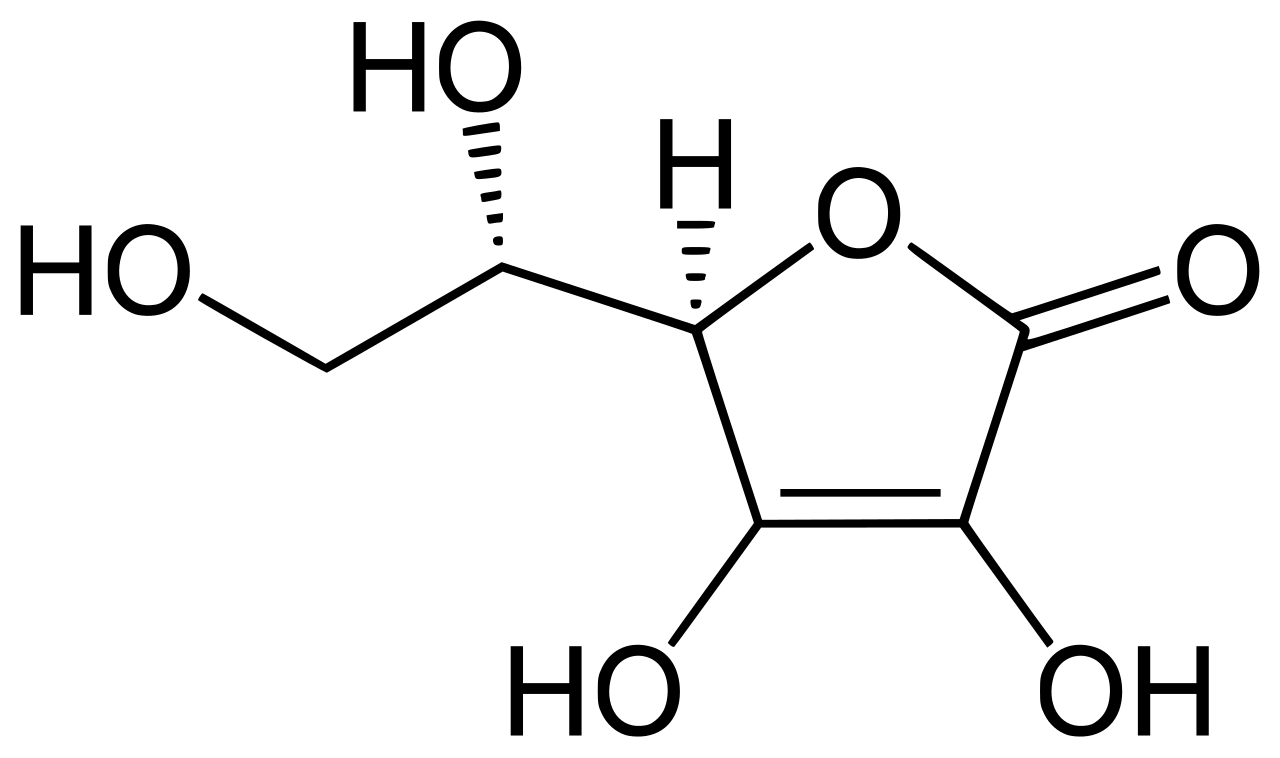
Vitamin C can keep nonheme iron in a form that is easier to absorb, which is why orange juice and iron tablets are often paired. The chemistry is real. The leap is assuming that every person treating iron deficiency needs a separate high-dose vitamin C supplement for the iron to work.
Iron and fatigue should begin with diagnosis, because fatigue has many causes and iron can be harmful when it is not needed. Hemoglobin, ferritin, symptoms, bleeding risk and the reason for deficiency matter more than a universal pairing rule.
A 440-person trial found iron alone was equivalent
A randomized clinical trial assigned 440 adults with iron-deficiency anemia to oral iron plus vitamin C or oral iron alone. Changes in hemoglobin met the study definition of equivalence, ferritin recovery did not differ significantly, and adverse-event rates were similar. Routine vitamin C was not essential under those treatment conditions.
That result answers a clinical question, not whether vitamin C ever changes absorption. It shows that a measurable single-meal effect may be too small to improve recovery when a therapeutic iron dose is already used and treatment continues for weeks.
Meal studies show why the old advice made sense
Stable-isotope work in young women found that added ascorbic acid markedly increased iron absorption from a rice meal, while tea reduced it. Another complete-diet study found the vitamin C effect was much smaller across several days than in single fasting meals. The surrounding diet and baseline iron status change what happens.
Calcium carbonate or citrate is another label distinction that matters for mineral products, but it does not decide whether extra vitamin C improves iron treatment. A theoretically ideal product that causes intolerable nausea and stays in the bottle will not correct deficiency.
Use food and timing before building a supplement stack
Taking iron with a vitamin-C-rich food is reasonable if it is tolerated. Coffee, tea, calcium and some medicines can interfere with absorption, although strict separation schedules can become hard to follow. Gummy vitamins can deliver some nutrients, but their formulation must be checked rather than assumed equivalent. Ask a pharmacist for a workable plan.
Vitamin C and colds are a separate evidence question; an iron diagnosis does not create a need for megadose immune products. Third-party supplement testing can add confidence about identity, but it cannot decide whether extra vitamin C improves anemia treatment.
Follow blood results, not a color change in the bottle
A clinician may repeat blood counts and ferritin after treatment begins. Hemoglobin can improve before iron stores are fully replenished, so stopping as soon as energy improves may be too early. Lack of response can reflect missed doses, ongoing bleeding, malabsorption, inflammation or the wrong diagnosis.
Seek care for black tarry stool, vomiting blood, chest pain, fainting or severe shortness of breath. Ordinary darkening of stool can occur with iron, but concerning symptoms need evaluation. The best plan uses an appropriate iron dose, a tolerable schedule and follow-up—not an automatic vitamin C add-on.
Tolerability often decides whether treatment succeeds
Iron can cause nausea, abdominal discomfort, constipation or diarrhea. Taking it with food may reduce discomfort even if absorption per dose falls somewhat. Clinicians may adjust the dose, frequency, formulation or route rather than simply adding vitamin C. Alternate-day schedules have also been studied, but the right regimen depends on severity and the treatment goal.
Keep iron locked away from children because accidental overdose can be fatal. Do not share it with someone who feels tired, and do not use a prenatal or multivitamin as proof that anemia treatment is adequate. A clear diagnosis, a tolerable schedule and documented response matter far more than whether the dose was swallowed beside orange juice.
People with hemochromatosis or other iron-overload conditions should avoid iron unless specifically directed. Vitamin C can increase iron absorption, which is not automatically helpful in that setting. Mention family history, transfusions and liver disease during evaluation. A supplement habit that is sensible for iron deficiency can be inappropriate when the body is already storing too much iron.