Prenatal Vitamin Labels: Iron, Iodine and Choline Gaps to Check
Prenatal labels vary widely, and a single product may not cover iron, iodine and choline needs. Learn what to verify.
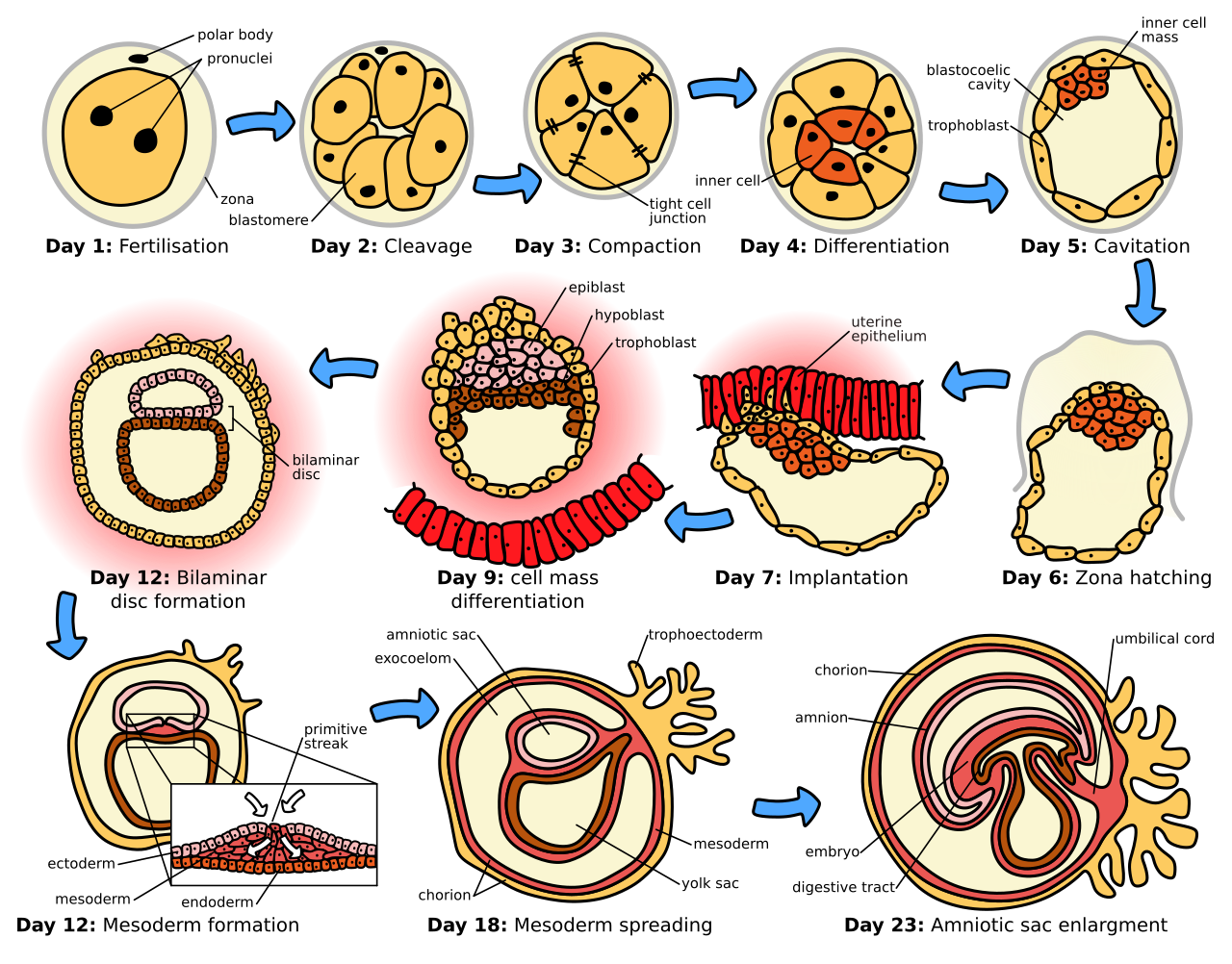
Use the full prenatal label—not the word complete—to check folate, iron, iodine and choline, then match the formula to diet, labs and prenatal care.
A prenatal can be useful without being complete
Prenatal vitamins are designed to cover common gaps, but the category has no single formula. One product may contain iron and little choline; another may omit iron; a gummy may leave out bulky minerals. The safest shortcut is not a brand name. It is a line-by-line review with a prenatal clinician.
Start with folate, folic acid and methylfolate claims, because preventing neural-tube defects depends on getting enough folic acid before and early in pregnancy. Alternative forms do not erase the evidence behind folic acid, and more is not automatically better.
Recent laboratory work found wide label differences
A 2025 study tested prenatal supplements for choline, iodine and contaminants. Products varied substantially, illustrating that a prenatal label may not supply meaningful amounts of both nutrients. A separate laboratory study comparing reported and measured content in prenatal vitamins also found discrepancies for some ingredients.
These studies do not prove that every prenatal is mislabeled. They show why clear amounts, a traceable manufacturer and credible third-party testing matter. A marketing phrase such as whole-food or doctor formulated does not replace a Supplement Facts panel or laboratory quality control.
Choline often needs a food-plus-supplement plan
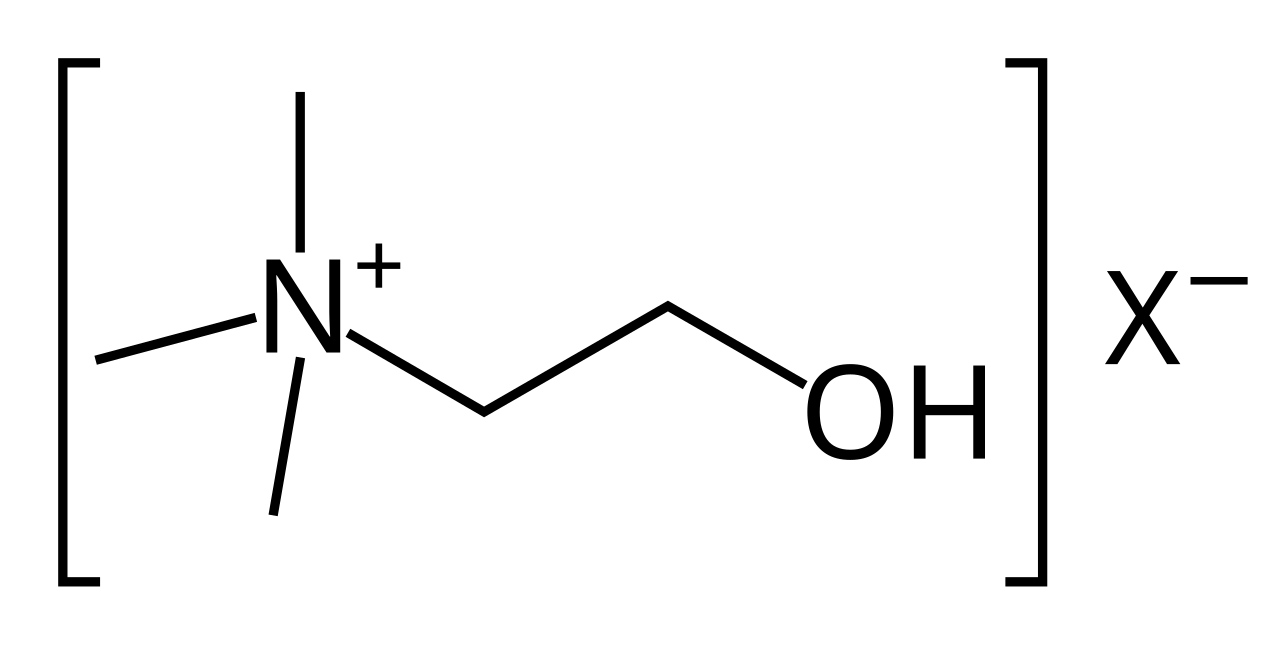
Choline supports cell membranes and fetal development, yet many prenatal products include little or none because useful amounts are bulky. Choline supplements in pregnancy may help close a dietary gap, but the total should include eggs, meat, soy and other foods rather than treating the bottle as the whole plan.
A separate choline product can add pill burden and cost, so begin with a food record. Pregnancy nausea, vegan diets and food allergies can change the realistic options. Ask a clinician or prenatal dietitian to match the plan to what can actually be eaten consistently.
Iron and iodine require opposite kinds of caution
Iron needs rise in pregnancy, but iron and fatigue should not be reduced to a single symptom. Blood counts and ferritin can guide treatment, and excess iron can worsen nausea or constipation. A prenatal with iron may still be insufficient to treat diagnosed anemia, while a high-dose extra product may be unnecessary without testing.
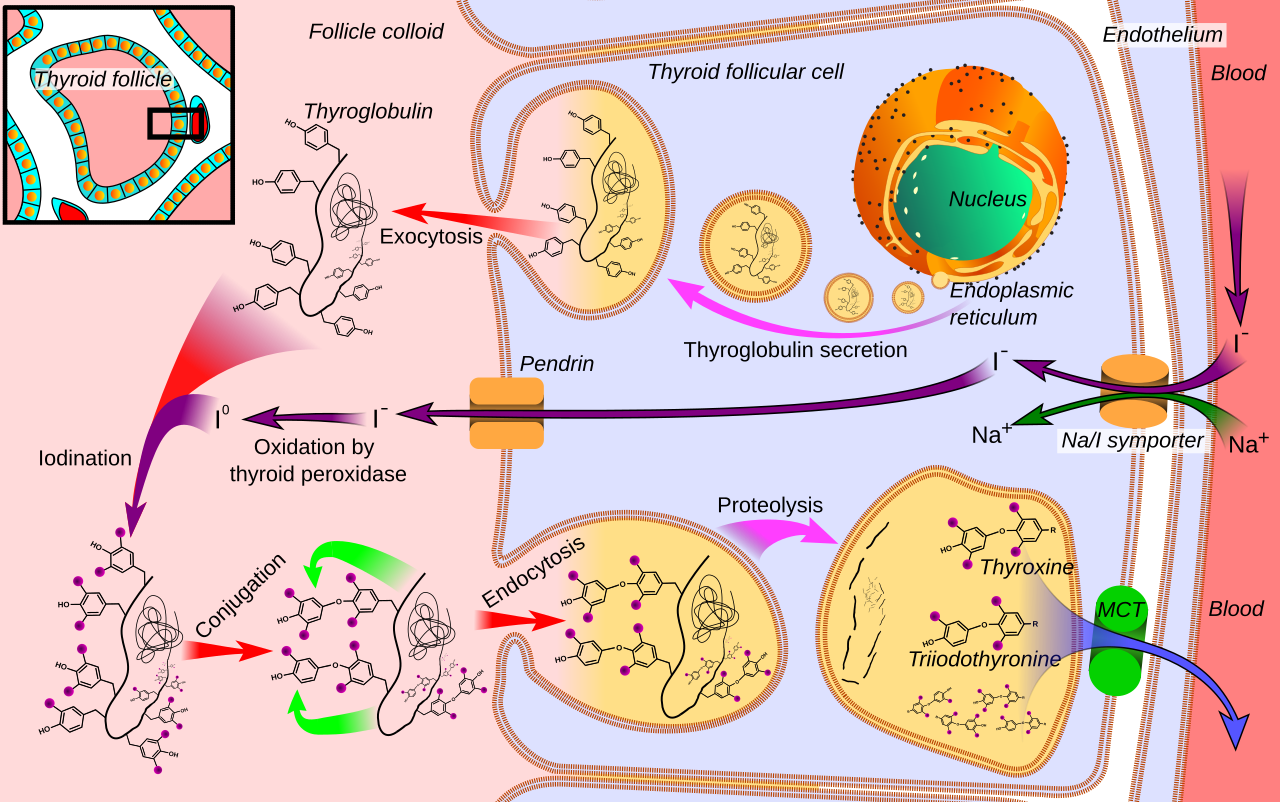
Iodine supports thyroid hormone production, but kelp can deliver unpredictable amounts. The iodine and kelp evidence is a reminder that both deficiency and excess can affect the thyroid. Check whether the prenatal contains iodine, what form it uses and whether other supplements or seaweed add more.
Build one coordinated prenatal list
Bring the prenatal, antacids, gummies, powders and single nutrients to appointments. Vitamin B6 and neuropathy deserve attention when nausea products and multivitamins stack the same nutrient. Spacing may help tolerance or interactions, and a clinician can decide whether calcium, iron or thyroid medicine should be separated.
Do not double the serving because a meal was missed, and keep products away from children. Recheck the formula after any brand change because similar packaging can hide different amounts. A practical prenatal plan combines food, one well-chosen base product and targeted additions only when diet, labs or clinical guidance support them.
Life stage changes the same label
Needs can shift before conception, during each trimester, after delivery and while breastfeeding. A product selected for early pregnancy may not solve postpartum iron deficiency, and a high-dose add-on started for a laboratory result may need an end date. Keep the reason for every extra nutrient in the medication list so it is reassessed instead of becoming permanent by default.
Severe vomiting can make any oral plan unreliable and can threaten hydration and thiamin status. Contact prenatal care promptly when food or fluids cannot stay down. Do not wait for a routine appointment while repeatedly doubling gummies or powders. The most carefully designed label only works when the product can be taken, tolerated and monitored.
Quality seals can reduce uncertainty about identity and contaminants, but they do not make a prenatal formula appropriate for every pregnancy. Prescription and retail prenatals both require the same label check. When cost or swallowing is a barrier, ask which nutrients are essential to preserve before replacing a comprehensive product with several cheaper or easier pieces.