
Gut Health
Probiotics with antibiotics: benefit depends on strain, timing, and patient risk
Recent reviews support lower antibiotic-associated diarrhea risk, but results cannot be generalized to every probiotic product.
The evidence behind everyday supplements. Evidence, limitations, and practical questions worth asking.
Direct links to research and public health guidance.
Benefits, uncertainty, and safety in the same story.
Plain-language reporting for everyday decisions.
Recent reviews support lower antibiotic-associated diarrhea risk, but results cannot be generalized to every probiotic product.
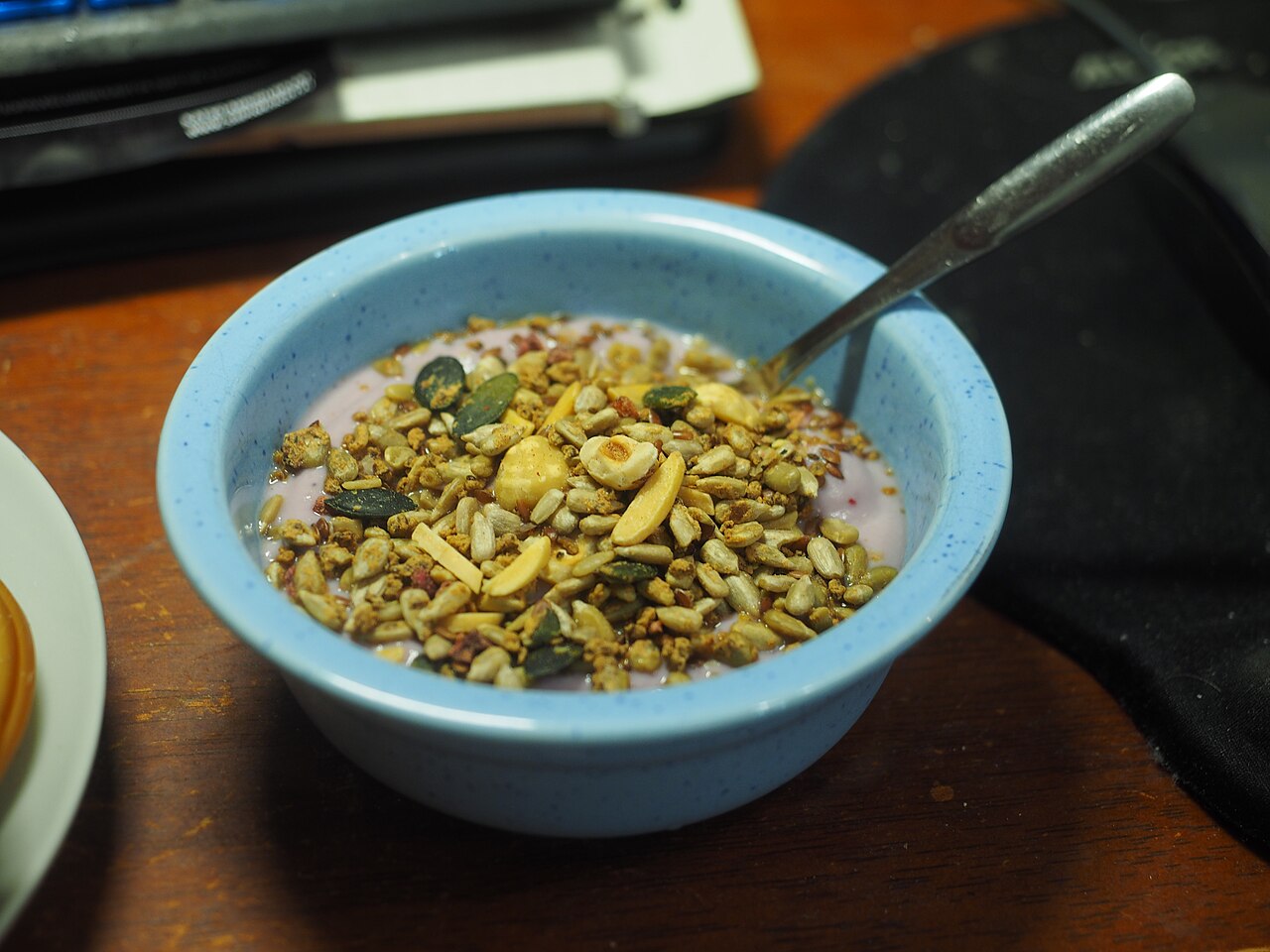
Trials support a possible preventive role for 400 mg riboflavin, but benefit takes time and does not replace migraine diagnosis or acute care.

Vitamin B1 is essential for energy metabolism, but benfotiamine and high-dose thiamin claims need condition-specific evidence.

High supplemental B6 can cause sensory neuropathy. Learn how stacking products obscures dose and why tingling needs evaluation.
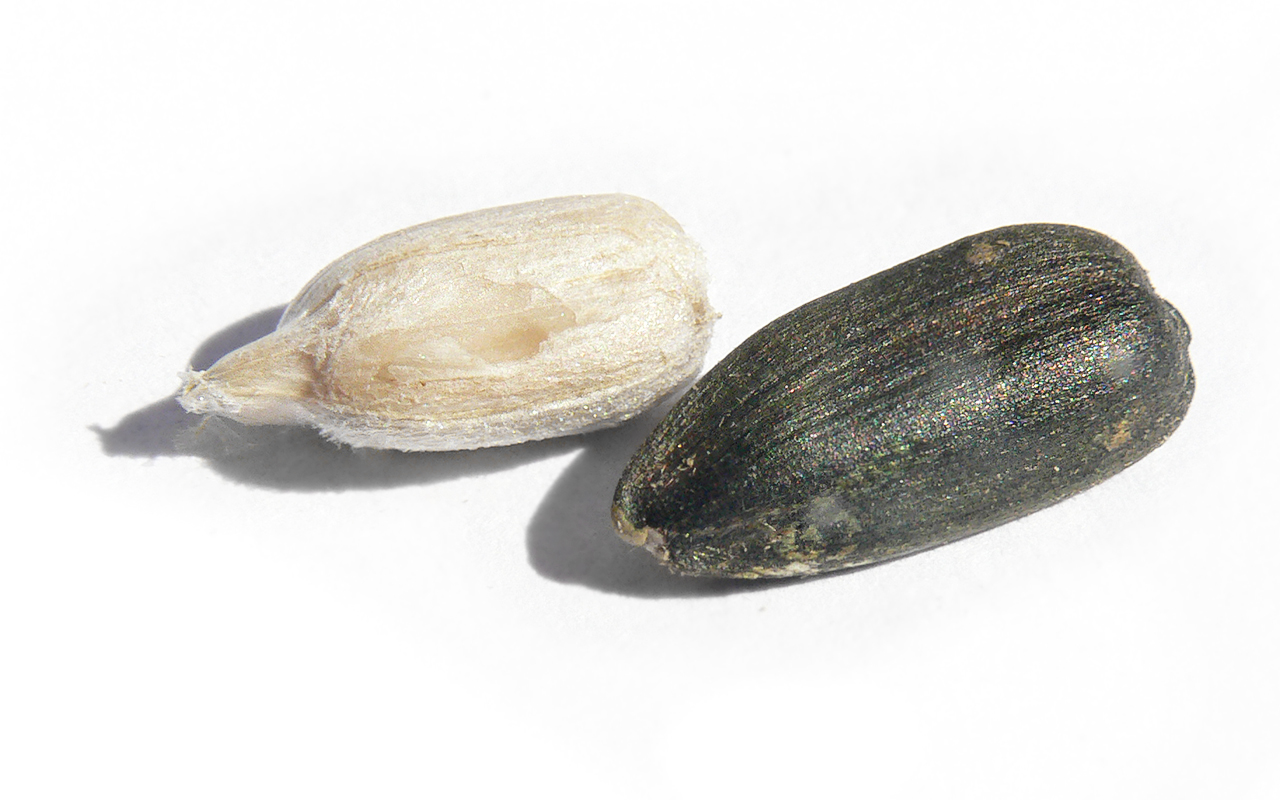
Large randomized trials failed to confirm broad heart or cancer prevention from high-dose vitamin E and identified safety concerns.
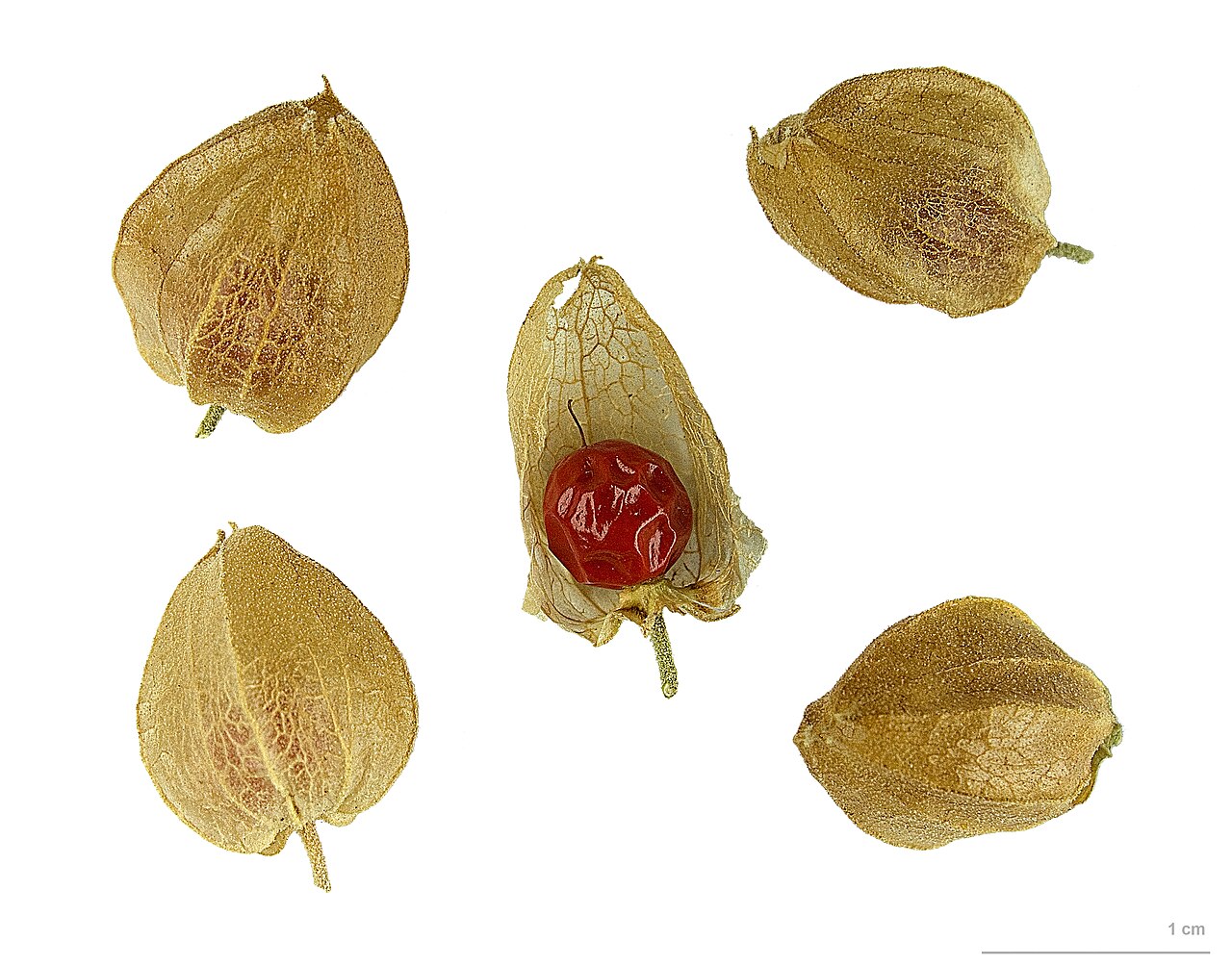
Small trials report stress and sleep improvements with specific extracts, while liver, thyroid, pregnancy, and interaction concerns remain.

Evidence for high-dose biotin beauty benefits is limited, while interference with thyroid, hormone, and cardiac tests is well documented.

Recent reviews and trials suggest possible memory or sleep-loss benefits, but creatine is not an established universal nootropic.

Iodine is required for thyroid hormone production, yet excess from kelp and supplements can trigger thyroid dysfunction in susceptible people.

A 2026 review found mixed, formulation-specific sleep evidence. Learn how to compare elemental magnesium, outcomes, and safety.
COSMOS cognitive studies found modest benefits in older adults, but they do not prove that every multivitamin prevents dementia.

High-dose niacin can change lipid numbers, but large trials found no added cardiovascular benefit and more adverse events in key settings.